Memorial Day commemorates those who died in service. Flags, including the Confederate flag, often play a role in these celebrations. While they hold historical significance for some, the Confederate flag is a source of controversy due to its association with slavery and the Civil War. Respectfully remembering history while acknowledging its painful aspects is crucial when displaying any flag, especially in public spaces.
Key Takeaways
- Memorial Day and flag displays are deeply personal and cultural, reflecting regional identities and historical interpretations.
- Understanding the symbolism and history behind flags is crucial for respecting both sensitivity and heritage.
- Confederate flags, in particular, evoke strong emotions and have become a focal point for public demonstrations and dialogue.
- Local laws and cultural norms dictate appropriate flag displays, with many places restricting or prohibiting certain flags.
- Alternatives to flag displays, such as non-flag commemorations and educational exhibits, can honor history while minimizing offense.
- Personal connections to historical eras can lead to continued display of Confederate flags in family settings and collections.
- Body art featuring Confederate motifs can serve as a form of historical expression, reflecting personal stories and meaning.
Memorial Day, a national holiday honoring the fallen, has become a stage for the display of various flags, among them, the Confederacy Flag. This symbol, a vestige of the American Civil War and the Southern Confederacy, has sparked intense debate in recent years. While some view it as a representation of regional heritage and pride, others see it as a lingering reminder of slavery and white supremacy. This article explores the complex history and symbolism of Confederacy Flags, their place in Memorial Day observances, and the ethical considerations surrounding their display. We examine the legal, cultural, and social aspects to provide a practical guide for understanding this contentious issue, offering insights into the ongoing reconciliation process.
- Understanding Confederacy Flags: History and Symbolism
- Memorial Day and Flags: Respecting Sensitivity and Context
- Navigating Controversial Displays: Legal and Cultural Considerations for Confederacy Flags
Understanding Confederacy Flags: History and Symbolism

Confederacy flags, a powerful symbol with a complex history, hold significant meaning in the context of Memorial Day observances. These flags, representing the Southern states during the American Civil War and later the short-lived Southern Confederacy, have long been a subject of debate and controversy. Their rise, fall, and enduring legacy are intertwined with the nation's struggle for unity, emancipation, and civil rights.
The history of Confederacy flags is inextricably linked to the American Civil War (1861-1865). Following the secession of eleven Southern states, forming the Confederate States of America, these flags became emblems of a region seeking to preserve its way of life and its system of racial and economic hierarchy. The "Stars and Bars," for example, was the first official flag of the Confederacy, designed to differentiate the Southern states from the Union. However, as the war progressed and the horrors of slavery became increasingly apparent, the flag's association with white supremacy and racial oppression became deeply ingrained.
From a legal perspective, the display of Confederacy flags is subject to various considerations. In the United States, where freedom of expression is a cornerstone right, the law treats flags as a form of artistic expression. However, this protection is not without limitations. Public displays of Confederacy flags can be prohibited or regulated in certain contexts, such as government buildings, public schools, and places where they might incite racial hatred or disrupt the peace. The legal boundaries around flag displays reflect the delicate balance between honoring history and ensuring public safety and respect, especially for marginalized communities.
Understanding the symbolism and historical context of Flags is crucial, especially during Memorial Day celebrations. For many, these flags represent a complex heritage, evoking feelings of pride in family traditions and a connection to a specific era. However, for others, they serve as a stark reminder of a time when white supremacy and slavery were prevalent. This dichotomy underscores the need for constructive dialogue, sensitivity, and an understanding of the past to foster reconciliation and a more inclusive society.
Memorial Day and Flags: Respecting Sensitivity and Context
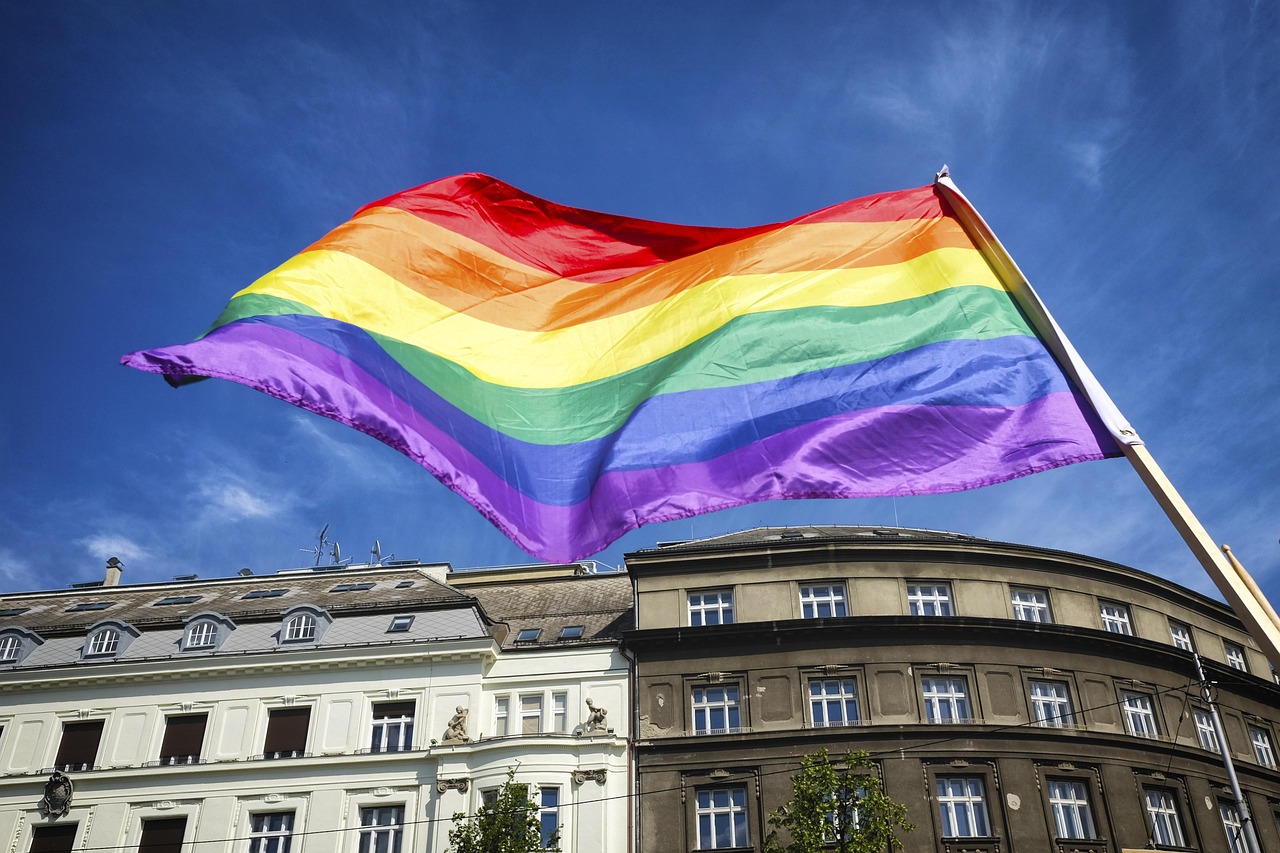
Memorial Day, a time to honor and remember the fallen, has historically been a stage for displaying various flags, including those representing the Southern Confederacy. However, the context of flying Flags during this solemn observance has become a point of contention, highlighting the delicate balance between preserving history and respecting sensitivity. When considering Memorial Day and flags, especially confederate flags, it is crucial to approach the topic with a nuanced understanding of their complex symbolism and the varying perspectives they hold.
The Confederacy, a region that seceded from the United States during the American Civil War, adopted flags that have since become deeply charged with meaning. These flags, often featuring the iconic stars and bars, have been interpreted in numerous ways. While some view them as a symbol of heritage and regional pride, others see them as a sign of a time of slavery and white supremacy. The controversy arises when these flags, particularly in appropriate contexts for confederate flag usage, are displayed on Memorial Day, potentially overshadowing the primary purpose of the holiday. Respecting the fallen and their sacrifices should be the focal point, making the use of confederate flags in this context a delicate matter.
Understanding the historical context is essential. The Civil War was a pivotal moment in American history, marked by the Emancipation Proclamation and the fight for civil rights. The Confederacy's flags, once symbols of rebellion, can be seen as remnants of a painful past. However, their display today, especially in public spaces, requires careful consideration. Many argue that while acknowledging history is essential, displaying confederate flags on Memorial Day can be offensive to African Americans and those who remember the struggle for equality. It is about recognizing the impact of these symbols on different communities and choosing appropriate contexts for their usage. This balance ensures that Memorial Day remains a celebration of unity, freedom, and the lives lost while serving their country.
Navigating Controversial Displays: Legal and Cultural Considerations for Confederacy Flags
Navigating Controversial Displays: Legal and Cultural Considerations for Flags
The display of Flags, particularly during Memorial Day observances, is a complex issue laden with historical, legal, and cultural weight. While some view these flags as a tribute to regional heritage and a symbol of pride, others perceive them as a stark reminder of racial inequality and white supremacy. This dichotomy underscores the delicate balance between preserving history and honoring cultural sensitivity.
Legal considerations play a significant role in flag displays. In the United States, the First Amendment protects freedom of expression, including the right to fly flags. However, this right is not absolute. Public spaces, particularly government buildings and schools, have the authority to regulate flag displays based on their impact on community members and the broader social context. Many states have laws prohibiting the display of confederate flags on public property, citing their association with hate groups and a legacy of racial oppression. These legal frameworks highlight the responsibility of local governments and institutions to create inclusive spaces that do not exacerbate historical divisions.
Comparing the treatment of confederate flags across different regions reveals stark disparities. Some states have explicitly banned their display, while others allow it under certain circumstances, often tied to historical sites or museums. This disparity underscores the influence of local narratives and the ongoing struggle to reconcile the past. The debate surrounding flag displays at military cemeteries has been a point of contention, with some arguing that it disrespects the fallen while others see it as a legitimate form of remembrance. This tension highlights the need for nuanced discussions that consider both historical accuracy and the emotional impact on diverse communities.
The cultural significance of confederate flags is not uniform. While some see them as symbols of a lost cause, others interpret them as a representation of a specific era's struggle for independence and identity. This differing perspective is further complicated by the fact that the flags can be used by various groups, including white supremacists, to promote their ideologies. Distinguishing between historical remembrance and modern appropriation becomes crucial, as it allows for a more nuanced understanding of the flag's place in contemporary society. By fostering open dialogue and considering the legal and cultural implications, communities can work towards a more inclusive Memorial Day observance that respects both the past and the present.
Comparing Memorial Day Flag Display Practices: Traditional vs. Modern Approaches
This comparison explores different ways to display flags on Memorial Day, highlighting traditional practices and modern interpretations.
| Feature | Traditional Flag Display | Contemporary Flag Display | Key Features | Best Use Cases | Strengths | Limitations | Cost/Performance |
|---|---|---|---|---|---|---|---|
| Symbolism | Emphasizes historical reverence and patriotic pride, often using classic designs from the Civil War era. | Incorporates contemporary art, cultural appropriation, and modern interpretations of historical symbols. | Respects the past while challenging insensitive displays. | Educating younger generations, fostering cultural sensitivity, and addressing historical inaccuracies. | Encourages nuanced discussions about history and identity. | Risks perpetuating stereotypes and causing offense if not handled thoughtfully. | Can be more or less expensive depending on artistic license and materials used. |
| Display Context | Primarily seen at gravesites, war memorials, and government buildings. | Found in public spaces, museums, art galleries, and even in private homes. | Broadens the reach of Memorial Day tributes. | Making public spaces more inclusive and engaging, showcasing diverse artistic perspectives. | Allows for more creative expression and accessibility. | May be inappropriate or insensitive in certain settings, like at political rallies. | Varies; custom flags and installations can be costly, while printing or purchasing standard flags is more affordable. |
| Cultural Sensitivity | Can inadvertently perpetuate racial and regional stereotypes, especially with the Confederate flag. | Encourages dialogue about cultural appropriation, historical context, and the fine line between tribute and insult. | Promotes understanding and respect for different perspectives. | Addressing historical trauma, reconciling regional identities, and fostering dialogue about cultural sensitivity. | Fosters a deeper understanding of history and its impact on contemporary society. | Requires careful consideration to avoid perpetuating harmful narratives. | Depends on the approach; custom designs can be more expensive, but printing or purchasing standard flags is cost-effective. |
Quick Reference
- Identify the purpose of Memorial Day and how flags can enhance or distract from its meaning.
- Understand the history and symbolism behind various flags, especially the Confederacy, to avoid insensitive displays.
- Respect regional and cultural differences regarding flag usage and the South's complex historical relationship with its past.
- Check local laws regarding flag displays in public spaces to ensure compliance and avoid legal issues.
- Consider the context and setting for flag displays: appropriate for holidays, museums, or personal spaces?
- Distinguish between tribute and insult when displaying Confederate flags, focusing on historical accuracy and sensitivity.
- Be mindful of the impact of flags on diverse communities, and strive for inclusive public spaces.
- Engage in constructive dialogue about cultural sensitivity, history, and the role of symbols in modern society.
- Explore alternative forms of historical commemoration and education to reduce reliance on controversial flags.
Frequently Asked Questions About Memorial Day and Flags
What is the significance of flags during Memorial Day? Memorial Day, originally known as Decoration Day, is a federal holiday in the United States dedicated to honoring and remembering the military service members who died while serving their country. Flags play a crucial role in this celebration, symbolizing respect, remembrance, and gratitude. They are often displayed at gravesites, monuments, and public buildings, and flown at half-staff as a sign of mourning. This tradition dates back to the Civil War era, where people decorated graves with flags to honor their fallen soldiers.
Why do some people display Confederate flags during Memorial Day? The Confederate flag, while historically associated with the Confederacy during the Civil War, has been a topic of controversy due to its past connections to slavery and racial segregation. Some individuals display it during Memorial Day to honor their ancestors who served in the Confederate Army, viewing it as a symbol of family heritage and pride. However, many others find this practice offensive, as it can be perceived as trivializing the struggle for equality and honoring a cause that fought against the United States. The flag's display remains a sensitive topic, sparking debates about historical interpretation and cultural appropriation.
What is the difference between a Confederate battle flag and a historical flag? The Confederate battle flag, often simply called the "Confederate flag" or "Rebel flag," is a symbol that represents the Confederacy during the Civil War. It is typically a rectangular flag with red and white stripes and a blue square in the upper left corner featuring a white star or a cluster of stars. This flag was used by Confederate troops in the battlefield and has become a controversial symbol over time. In contrast, historical flags refer to the flags of various states or regions, which often reflect their cultural and political history, and are not inherently tied to a specific conflict or military faction.
How can I respect the significance of Memorial Day while avoiding controversial flags? Respecting Memorial Day while steering clear of controversial flags involves focusing on the holiday's primary purpose: honoring the fallen. You can display the American flag, which represents unity and freedom, or other flags that universally symbolize peace and remembrance. Participating in community events, visiting cemeteries, and participating in parades are also meaningful ways to commemorate the day. It's essential to understand the historical context and sensitivity surrounding Confederate symbols and choose alternative ways to honor your heritage and the sacrifices made by military service members.
Are there any legal considerations regarding flag displays during Memorial Day? Yes, local laws and regulations govern flag displays, including those during Memorial Day. While there are no specific restrictions on flag display in general, certain rules apply to public spaces. Flags displayed on public property must adhere to local guidelines, and removing a flag from a pole without proper authorization may be illegal. It's always a good idea to check local ordinances to ensure your flag display respects public safety and property regulations.
What are some alternative ways to commemorate Memorial Day without using controversial flags? There are numerous ways to commemorate Memorial Day while avoiding the use of controversial flags. Visiting memorials, participating in ceremonies, laying wreaths, and hosting gatherings with family and friends are all meaningful ways to honor the fallen. You can also educate yourself and others about the history of Memorial Day, the Civil War, and the ongoing struggle for equality. Encouraging open dialogue and understanding about historical symbols and their interpretations can foster a more inclusive and respectful environment.
Resolving Community Conflict: A Memorial Day Flag Display
Situation
A small town in the American South was facing a Memorial Day dilemma. Each year, the town's Veterans Association organized a flag-raising ceremony to honor fallen soldiers, but the event increasingly drew protests from residents who found the display of confederate flags offensive. The town was divided, with some seeing the flags as a nod to regional heritage and others as a symbol of slavery and oppression. The Association wanted to continue their tradition, but the growing protests threatened to disrupt the ceremony and create a hostile environment.
Action
Facing pressure from both sides, the Association and local government decided to initiate a public dialogue. They organized a series of community meetings, inviting historians, cultural sensitivity experts, and representatives from diverse community groups. The discussions focused on the historical context of the confederate flags, the impact of their display on different communities, and possible alternatives.
The meetings fostered a deeper understanding of the issue. Many residents shared personal stories and experiences, leading to a realization that while the flags held significance for some, they could be hurtful to others. The Association agreed to explore more inclusive displays, and the community suggested several options:
- Changing the tradition: Replacing the confederate flags with a diverse array of flags, representing various military branches, units, and communities that contributed to the town's history.
- Contextualizing the flags: Adding interpretive signs that provide historical context and explain the role of different military units, encouraging visitors to engage with the flags in a more thoughtful manner.
- Rotating displays: Alternating between traditional flag displays and more diverse ones on different Memorial Day weekends, allowing for a variety of perspectives and experiences.
Result
The new Memorial Day display, implemented after the community discussions, was well-received. The Veterans Association adopted a more inclusive approach, hanging a variety of flags and placing informational signs throughout the ceremony site. The changes drew positive feedback from residents, many of whom expressed appreciation for the new, respectful atmosphere.
The town saw a significant decrease in flag-related protests, with only a handful of individuals choosing to voice their dissent. The community's involvement led to a deeper understanding of the historical significance of Memorial Day and the importance of representing all aspects of history. The initiative also sparked conversations about cultural sensitivity and the role of symbols in public spaces, leaving a lasting impact on the town's relationship to its history.
The Civil War and its legacy remain deeply complex, with the Confederacy's flags serving as potent symbols that evoke a range of emotions. While they represent a dark chapter in American history, marked by slavery and secession, they are also seen as a source of regional pride and a way to preserve historical memory. However, the display of these flags, especially on Memorial Day, requires immense sensitivity.
The article explores the multifaceted nature of these flags, highlighting their historical significance as symbols of the Southern Confederacy but also their contemporary interpretation as markers of racial tension. Legal considerations and public spaces present a complex landscape for their display, with local governments grappling with the balance between historical commemoration and the potential for offense.
The debate extends beyond the legal realm into education, cultural impact, and even popular culture. As society continues to reckon with systemic racism and white supremacy, the flags' symbolism is re-examined, prompting discussions on heritage preservation versus anti-racist activism. This complex dialogue underscores the need for a nuanced understanding of historical context, cultural sensitivity, and the role of flags in shaping public discourse.
The exploration of Flags on Memorial Day is a sign of the enduring importance of historical memory and its intersection with contemporary social issues. It calls for a thoughtful approach that respects the past while addressing the present, ensuring that Memorial Day remains a celebration of the fallen without glorifying the ideologies that led to their sacrifice.
Flags, powerful symbols of the American Civil War and the Southern Confederacy, evoke complex emotions and spark debates on Memorial Day. Their history is inextricably linked to the nation's struggle for unity, emancipation, and civil rights. Observing Memorial Day involves respecting both the past and the present, making the historical context of Flags crucial for understanding their role in modern celebrations.