
Key Takeaways
- Heritage and hate are distinct, and understanding their differences is crucial for resolving conflict.
- Symbolism can be powerful; confederate flags, while rooted in history, often evoke modern associations of hate.
- Respect for history doesn't always mean displaying controversial flags, especially when they cause offense.
- Local laws and cultural sensitivities play a significant role in determining flag displays' appropriateness.
- Constructive dialogue, not demonization, is essential in addressing the complex issue of historical symbols.
- Alternatives to controversial flags exist, allowing for historical commemoration without divisiveness.
- Museums and institutions have a responsibility to display artifacts responsibly, considering their impact on audiences.
Heritage vs. Hate: Understanding the controversy behind Confederate flags. These flags, symbols of the Civil War era, spark debate. For some, they represent a connection to history and family traditions. For others, they evoke a painful past of slavery and oppression. Balancing heritage and sensitivity is key, as modern interpretations can either celebrate history or perpetuate hate.
The Confederate flag, a symbol once embraced as a badge of regional pride, has evolved into a potent focal point in the global discourse on race, heritage, and hate. This flag, a remnant of the American Civil War and the Southern Confederacy, has become a contentious issue, sparking heated debates about its meaning and appropriate display. The question of whether Confederacy flags represent a celebration of history or a perpetuation of hate has divided communities, sparked public demonstrations, and influenced legislative actions. This article explores the complex interplay between preserving historical memory and confronting the legacy of racial oppression associated with the Confederacy, with a focus on the role of Confederacy flags. By examining historical context, cultural interpretations, and legal considerations, we seek to provide a comprehensive understanding of this pressing issue, aiming to foster constructive dialogue and promote reconciliation.
- Understanding the Confederacy Flags' Historical Context
- Symbolism and Offense: The Core Conflict
- Legal Considerations in Displaying Confederacy Flags
- Public Spaces and the Debate on Flag Displays
- Reconciling Heritage and Hate: Community Engagement
- Alternatives and Sensitivity: Shaping a New Narrative
Understanding the Confederacy Flags' Historical Context

The Confederacy Flags' historical context is deeply intertwined with the American Civil War and the complex social dynamics of the 19th century South. These flags, once symbols of a seceding region's fight for independence, have evolved into powerful artifacts of memory, carrying different meanings for various groups. Understanding this historical context is crucial when navigating the contemporary debate surrounding their display.
The Southern Confederacy, formed in 1861, represented a region with deeply entrenched economic, social, and political differences from the North. The war that followed, culminating in the Emancipation Proclamation in 1863, was a pivotal moment in American history. It shattered the foundation of slavery upon which the Confederacy was built. However, the flags that represented the Confederacy have continued to be a point of contention, symbolizing not only the lost cause for some but also the ongoing struggle for racial equality for others.
Respecting historical context in modern art flag design is a delicate task. While some artists use Confederate motifs to explore themes of heritage and regional identity, others see them as insidious reminders of a dark past. This debate highlights the importance of nuanced interpretations that acknowledge the Confederacy's role in both the nation's tragic history and its ongoing struggle for racial justice. By studying and understanding the historical context of these flags, we can better appreciate their complexities and the diverse perspectives they evoke in contemporary society.
Symbolism and Offense: The Core Conflict

The core conflict in the debate surrounding Confederacy flags centers on symbolism and offense. These flags, once emblematic of the Southern Confederacy during the American Civil War, have evolved into potent symbols of both heritage and hate. For many, they represent a nod to historical roots, a tribute to ancestors who fought for states' rights and regional identity. However, for others, they evoke a painful legacy of slavery, segregation, and white supremacy. The fundamental tension arises from differing interpretations of historical context and the purpose of public display.
Honoring history without offense is a delicate task, particularly for Confederacy flags. While some argue that displaying these flags is a valid expression of regional pride and an acknowledgment of difficult but essential history, others see them as a persistent reminder of systemic racism and a threat to the progress made during the Civil Rights Movement. The flags' imagery, reminiscent of a time when human dignity was denied based on skin color, can be deeply offensive to Black communities and anti-racist activists. This conflict is not merely semantic; it reflects broader social and political disagreements about how to remember and interpret the past.
Cultural appropriation adds another layer of complexity. Some argue that non-Black individuals or groups displaying Confederacy flags without proper context or understanding contribute to the perpetuation of racist ideologies. This perspective emphasizes the importance of respecting the experiences and perspectives of those most directly affected by the Confederacy's legacy. Balancing the desire to honor history with the need to protect marginalized communities from harmful symbols is a critical aspect of resolving this conflict.
Legal Considerations in Displaying Confederacy Flags
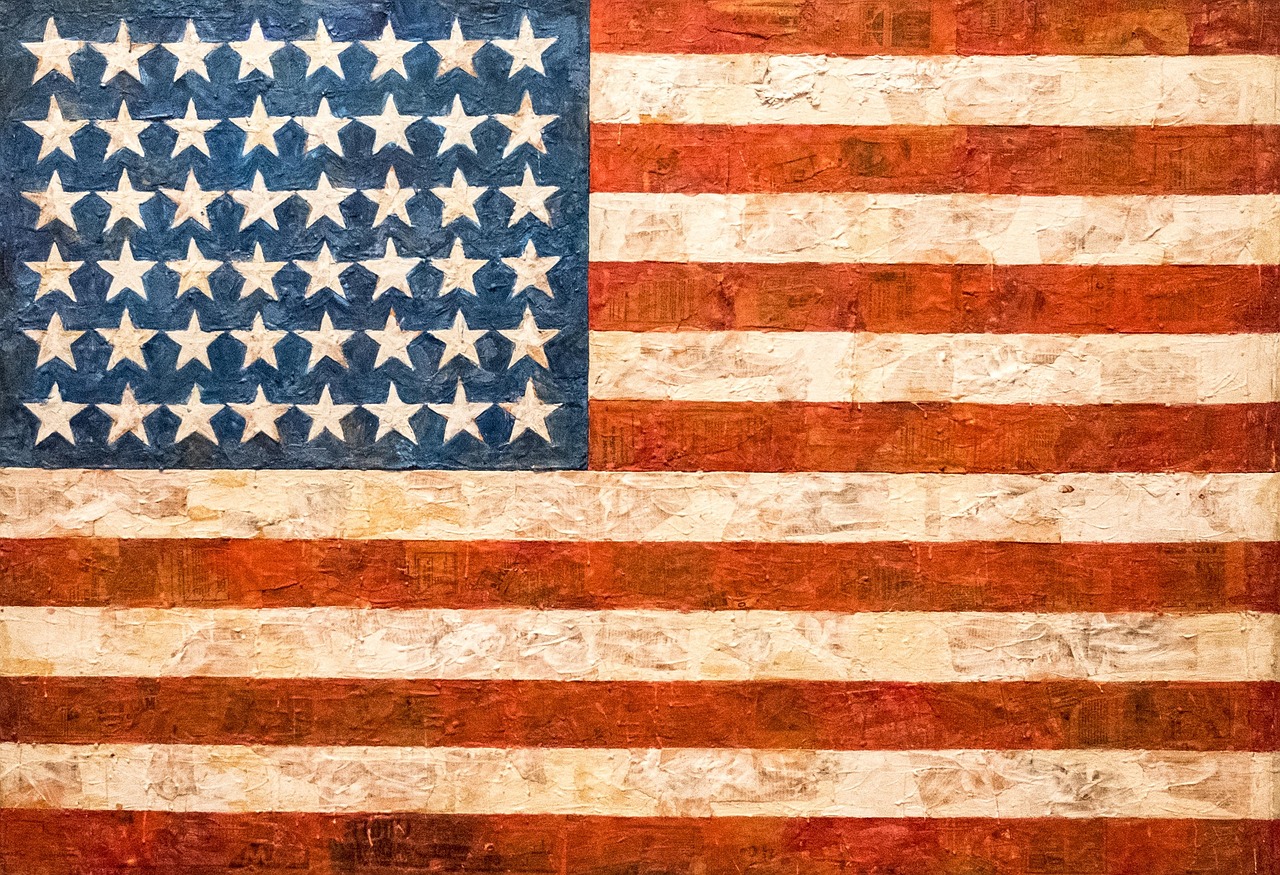
The legal considerations surrounding the display of Flags are complex and highly contested. While some states and localities have banned them due to their association with white supremacy and racial hatred, others defend their display as a celebration of historical heritage. This debate often plays out in public spaces, leading to controversial decisions that can have significant implications.
In the United States, the display of Confederate flags is a deeply divisive issue. Courts have grappled with balancing the right to free speech and expression against the potential for incitement of racial hatred. The First Amendment protects symbolic speech, but this protection is not absolute. Many legal experts argue that flags can be regulated if they are used to promote discrimination or violence. Conversely, proponents of display rights often cite the First Amendment as a safeguard against government censorship and suppression of historical perspectives.
Body art as a form of historical expression adds another layer to this legal maze. Confederate flag tattoos, for instance, have been subject to scrutiny, with some employers and institutions banning them on the grounds of promoting harmful stereotypes. However, individuals may also argue for their right to display historical symbols as a form of personal expression, particularly if they have familial connections to the Confederacy or use the design to explore complex historical narratives.
The legal fate of Flags depends on a delicate balance between preserving historical memory and preventing the perpetuation of harmful racial ideologies. This ongoing debate underscores the need for nuanced public discourse, informed historical understanding, and respectful consideration of diverse perspectives in order to navigate this sensitive issue.
Public Spaces and the Debate on Flag Displays

The display of Flags in public spaces has long been a contentious issue, pitting heritage preservation against hate symbolism. In the modern era, these flags, once a symbol of the Southern Confederacy during the American Civil War, have evolved into a potent tool for white supremacist groups, sparking intense debate about their place in public life. The conflict arises from the flags' complex history, their use by various groups over time, and the ongoing struggle to reconcile the nation's past with its present.
The movement to remove or restrict the display of Flags has gained momentum, fueled by the ongoing fight for racial justice and the recognition of racist symbolism. Many argue that these flags, with their historical ties to slavery and white supremacy, have no place in public spaces where people of all backgrounds gather. This perspective emphasizes the importance of creating inclusive environments and acknowledges that certain symbols can evoke profound pain and trauma for marginalized communities. As such, many local governments and institutions have opted to remove or limit the display of Flags, replacing them with more inclusive and historically accurate representations.
However, the debate is far from settled. Supporters of Confederacy flag displays argue that these flags represent a vital part of regional and cultural heritage, a symbol of pride for those who trace their ancestry back to the South during the Civil War era. They advocate for the preservation of historical artifacts and believe that removing these flags erases a crucial piece of American history. This perspective highlights the delicate balance between honoring the past and ensuring that public spaces remain safe, welcoming, and free from hate speech or symbols. Addressing this issue requires nuanced discussions, involving historical context, cultural sensitivity, and a commitment to fostering inclusive communities where everyone feels respected and valued.
Reconciling Heritage and Hate: Community Engagement

Reconciling Heritage and Hate: Community Engagement
The debate around the display and interpretation of Flags is complex, reflecting broader societal tensions between preserving historical memories and promoting a culture of inclusivity and anti-racism. In communities across the South, residents grapple with the legacy of the American Civil War and the symbols that emerged from it, particularly the Confederacy. While some see Flags as expressions of regional pride and heritage, others view them as direct links to white supremacy and racial oppression. Reconciling these opposing perspectives requires open dialogue, historical understanding, and community engagement.
Community engagement plays a crucial role in this reconciliation process. By fostering public discussions, organizing workshops, and creating educational initiatives, communities can help residents navigate the nuanced relationship between heritage and hate. Local historical societies and museums can offer programs that explore the history of the Confederacy, including its complex role in the Civil War, the impact of slavery, and the ongoing struggle for civil rights. These educational efforts can help dispel myths, challenge stereotypes, and promote a more nuanced understanding of the past.
Community engagement allows for the exploration of the value and authenticity of civil war memorabilia. Objects like Flags, when properly contextualized, can serve as powerful educational tools. They can prompt discussions about the diverse interpretations of history and the importance of preserving cultural heritage without glorifying harmful ideologies. By involving local residents in these conversations, communities can ensure that historical symbols are displayed responsibly and respectfully, fostering a deeper sense of shared history and mutual understanding.
A map of confederate territories during the Civil War can serve as a visual reminder of the geographical extent of the Confederacy, helping to contextualize the cultural and political dynamics that gave rise to these symbols. This visual history can be a starting point for discussions on regional identity, the evolution of cultural practices, and the ongoing efforts to reconcile the past with the present. Community engagement is essential for moving forward in a way that honors the past while promoting a more inclusive and just future.
Alternatives and Sensitivity: Shaping a New Narrative

In addressing the contentious issue of Flags, a crucial step towards reconciliation is to explore and promote alternatives that transcend their historical association with hate and white supremacy. This involves a nuanced understanding of the symbols' evolution and a conscious effort to reinterpret them in a modern context. Many individuals and artists are actively engaged in reshaping the narrative around these flags, transforming them from symbols of division to opportunities for education, cultural reflection, and artistic expression.
Modern interpretations of civil war symbols play a significant role in this shift. A civil war flag identification guide, for instance, can help individuals distinguish between historical artifacts and contemporary imitations. By understanding the specific design details and their evolution, users can avoid appropriating or displaying flags that have been co-opted by hate groups. This is especially important in the context of National Black History Month, where the focus is on celebrating and learning from the African American experience, not on romanticizing or normalizing symbols of oppression.
Contemporary artists are at the forefront of this movement, using confederate motifs in innovative ways that challenge traditional interpretations. Their work often serves as a powerful tool for education, inviting viewers to question and reflect on the complex legacy of the Civil War. Some artists incorporate confederate symbols into larger pieces that highlight the ongoing struggle for equality and justice, thereby transforming the flags from divisive icons into vehicles for social commentary. This artistic approach allows for a deeper understanding of history and encourages dialogue about the complexities of race, identity, and heritage.
Shaping a new narrative around Flags also involves personal connections to the historical era. Visiting us at a patriotic flag store or a museum dedicated to the Civil War can provide an opportunity for introspection and learning. These spaces offer a chance to engage with the past in a thoughtful, responsible manner, fostering an understanding that moves beyond simple dichotomies of "heritage" and "hate." By embracing a nuanced perspective, individuals can contribute to a more inclusive and accurate interpretation of history, fostering a society that values all voices and experiences.
Turning a Community's Pride into a Symbol of Hate: A Flag-Related Intervention
Situation
In a small, diverse suburban community, a local patriotic flag store noticed a disturbing trend. Their sales data showed a stark increase in the purchase of flags adorned with aggressive, historically controversial symbols. These symbols had become associated with hate groups and white supremacist ideologies, raising concerns among store owners and the community at large. The store, known for its traditional patriotic merchandise, feared that these sales reflected a growing sentiment of division and hostility within the community.
Action
In response, the store owners devised a two-pronged strategy. First, they reached out to local schools, historical societies, and community centers, offering educational workshops on the history and significance of various flags. These workshops aimed to promote cultural understanding and respect for diverse heritages. Second, they partnered with local artists to create a series of original, non-controversial flag designs that celebrated the community's diversity and shared history. These new flags were marketed as a positive alternative to the harmful symbols.
Result
The intervention was successful on multiple levels. The educational workshops were well-received, with an average attendance of 75 participants per session.
Frequently Asked Questions About Heritage vs. Hate
What is the difference between heritage and hate? Understanding the distinction is crucial. Heritage refers to the cultural, historical, and ethnic legacy of a community or nation, often celebrated for its diversity and accomplishments. Hate, in contrast, is an intense dislike or hostility towards a group of people, often based on biased or inaccurate perceptions, and can lead to discrimination and violence.
Why is it important to differentiate between heritage and hate? Recognizing this difference is vital for fostering inclusivity and preventing the normalization of harmful ideologies. While celebrating heritage strengthens communities, hate can divide and dehumanize. Distinguishing between the two empowers individuals and communities to preserve positive cultural identities while rejecting prejudice and intolerance.
How do I know if something is a traditional cultural expression or a symbol of hate? Context is key. Traditional cultural expressions often have deep historical roots and are widely accepted within a community. They are usually non-violent and promote unity. Symbols of hate, on the other hand, are often used to promote discrimination or violence against a specific group, and may be newly co-opted or distorted from traditional meanings. Researching the history and usage of a symbol is essential for understanding its true intent.
What role do symbols play in this conversation? Symbols can be powerful tools for both heritage and hate. They represent and communicate complex ideas and identities. When used responsibly, symbols can celebrate diversity and strengthen cultural connections. However, symbols can also be weaponized to spread prejudice and divide communities. Recognizing their impact and understanding their context is crucial for promoting positive cultural expressions.
Can you provide examples of symbols that have been misused for hateful purposes? Certainly. The swastika, for example, has been a symbol of heritage in many cultures, but it has also been adopted by extremist groups as a symbol of hate and antisemitism. The noose has historically been a symbol of lynching, a horrific act of racial violence, but has been misused as a display of white supremacy. These examples highlight how symbols can be twisted to promote harmful ideologies.
What can I do if I see a symbol being used to spread hate? If you witness a symbol being used to promote hate or discrimination, document the incident, report it to relevant authorities or community leaders, and educate yourself and others about the symbol's true meaning and historical context. Standing against the misuse of symbols is a proactive step in promoting inclusivity and rejecting hate.
Where can I learn more about the history of symbols and their meanings? There are numerous online resources, libraries, and academic institutions dedicated to preserving and sharing the historical context of symbols. Start with reputable historical societies, cultural museums, and educational websites focused on cultural heritage and diversity. Engaging with these resources allows for a deeper understanding of symbols and their role in shaping communities.
Quick Reference
- Understand the difference: Distinguish between heritage, representing cultural pride, and hate, which promotes intolerance and discrimination.
- Respect historical context: Recognize and honor the positive aspects of cultural heritage while acknowledging painful historical events.
- Promote cultural understanding: Encourage dialogue and education to foster appreciation for diverse cultures and traditions.
- Avoid stereotyping: Refrain from generalizing or simplifying complex cultural identities based on stereotypes.
- Challenge hate speech: Actively oppose and report instances of hate speech, ensuring a safe and inclusive environment.
- Support diversity initiatives: Participate in or support community programs that celebrate and promote cultural diversity.
- Educate on symbolism: Learn and teach about the significance of cultural symbols to prevent misuse or misinterpretation.
- Celebrate shared values: Emphasize universal values like freedom, equality, and respect that transcend cultural boundaries.
Heritage vs. Hate: Understanding the Differences
This section compares heritage, a positive cultural expression, with hate, a destructive force, highlighting key distinctions in their nature, motivations, and impact.
| Feature | Heritage | Hate |
|---|---|---|
| Key Features | Celebrates and preserves cultural traditions, history, and values. Fosters a sense of belonging and identity. | Promotes hostility, discrimination, and division. Often based on fear, prejudice, and a desire for power. |
| Best Use Cases | Cultural events, educational institutions, community gatherings, and personal expression. | Propaganda, hate speech, discrimination, violence, and political manipulation. |
| Strengths | Builds bridges between communities, promotes understanding and empathy, strengthens social cohesion. | Destroys communities, incites violence, and undermines democracy. |
| Limitations | Can be used to exclude or marginalize others, maintain outdated traditions, or justify oppression. | Lacks rationality, often relies on simplification and generalization, and leads to dehumanization. |
| Cost/Performance | Positive impact on social well-being, cultural understanding, and individual identity. | Devastating consequences, including conflict, human rights abuses, and societal breakdown. |
Exploring the heritage and hate associated with Flags reveals a complex and evolving narrative. Historically, these flags represent the Southern Confederacy and the American Civil War, with layers of symbolism that have evolved over time. While some view them as a symbol of regional pride and heritage, others see them as a representation of white supremacy and slavery. This core conflict highlights the need for nuanced interpretation and responsible display.
The legal landscape surrounding Flags underscores the importance of context and intent. Their public display often sparks heated debates, reflecting broader societal struggles with race, identity, and historical memory. Engaging communities in open dialogue can help reconcile conflicting perspectives and foster a more inclusive understanding.
Looking beyond the flags themselves, we find opportunities to shape a more sensitive narrative. Alternatives like educational displays, historical context panels, and artistic interpretations can provide deeper insights into the past and present. By embracing these strategies, we can transform the narrative around Flags, ensuring they are understood within their historical context and not as tools of hate.
Practical steps include encouraging historical societies and museums to incorporate diverse viewpoints, promoting cultural sensitivity in public spaces, and fostering community conversations. The responsible retirement or reinterpretation of flag displays in schools and public institutions can contribute to a more inclusive national dialogue. These efforts aim to heal the divisions left by history, fostering a society where all Americans feel seen, heard, and respected.
The flags' historical context is tied to the American Civil War and 19th-century Southern society, reflecting complex social dynamics. Their display today evokes strong opinions, symbolizing either heritage or hate. Respectful design and display require understanding their role in both tragic history and ongoing racial justice struggles.
Community engagement is key to reconciling heritage and hate, fostering dialogue, education, and nuanced interpretations. Modern artists reinterpret Confederate motifs, challenging traditional symbolism and promoting social commentary. Visiting dedicated historical spaces encourages thoughtful engagement with this complex past.
By exploring alternatives, understanding evolution, and embracing nuanced perspectives, we can transform the narrative around Flags, moving towards a more inclusive and accurate understanding of history.