
Flag Heritage and Preservation: Understanding the history and symbolism of Confederate flags is crucial. These flags represent a complex era, carrying different meanings for various people. Preserving them as historical artifacts requires careful consideration, especially in public spaces, to balance respect for the past with sensitivity to current controversies.
Key Takeaways
- Understanding the historical context is crucial for interpreting the significance of flags.
- Preserving historical accuracy involves differentiating between original and recreated artifacts.
- Public spaces offer a complex landscape for flag displays, requiring careful consideration of local laws and cultural sensitivity.
- The display of Confederate flags can evoke strong emotions, leading to public demonstrations and debates.
- Alternatives to flag displays can include non-visual historical commemorations, such as ceremonies and educational programs.
- Institutions play a vital role in shaping historical narratives through curatorial decisions and responsible artifact display.
- Personal connections to historical eras can influence the preservation and display of Confederate flags within families.
The preservation of historical flags, especially those from the Confederacy, is a complex and sensitive issue that requires a nuanced understanding of their symbolism and cultural impact. Confederacy flags, remnants of the American Civil War and the Southern Confederacy, have become potent symbols, evoking strong emotions and sparking debates about heritage, identity, and racial tensions. This article explores the multifaceted challenges surrounding the display and interpretation of these flags, offering insights into their historical context, legal considerations, cultural significance, and the delicate balance between preserving history and addressing their controversial nature. By examining these complexities, we aim to provide a comprehensive framework for responsible flag heritage and preservation.
- Understanding Confederacy Flags: History and Symbolism
- Preserving Heritage: The Role of Flag Display
- Controversial Flags: Legal Considerations and Public Spaces
- Reconciling Past and Present: Addressing Flag Protests
- Alternatives and Interpretations: Modern Flag Design Trends
- Sensitivity and Education: The Future of Flag Heritage
Understanding Confederacy Flags: History and Symbolism

Confederacy flags, deeply rooted in the American Civil War, carry a complex history and symbolism that continues to spark debate. These flags, representing the Southern states' secession from the Union, are fraught with conflicting interpretations. Honoring history without offense is a delicate balance, as these banners have evolved from symbols of regional pride to representations of racist ideologies.
The Southern Confederacy, formed in 1861, adopted a flag featuring a blue field with white stars and a red border. Over time, various designs emerged, each with unique regional identifiers. However, the underlying message remained consistent: a desire for independence and a separation from the Union, often fueled by a pro-slavery ideology. The Civil War, culminating in the Emancipation Proclamation in 1863, ultimately led to the Confederacy's defeat and the end of slavery.
Despite their historical significance, confederacy flags have become contentious symbols. White supremacy groups have co-opted them, using them to promote hate and discrimination. This has sparked a national dialogue on their appropriate display, with many advocating for their removal from public spaces. However, others argue that these flags represent a part of America's history that should be preserved and studied, acknowledging both the good and the bad. The challenge lies in finding ways to honor history without perpetuating offense, ensuring that these flags are understood within their complex historical context.
Preserving Heritage: The Role of Flag Display

Preserving heritage through flag display requires a nuanced approach, especially when dealing with sensitive historical symbols like Confederacy flags. While these flags carry deep meaning for some, representing a complex legacy of the American Civil War and the Southern Confederacy, their display in public spaces remains a contentious issue. Curatorial decisions in civil war exhibits play a pivotal role here, balancing the need to educate and commemorate history with the potential to offend and perpetuate racist symbolism.
Experts argue that flags, including those of the Confederacy, can serve as powerful educational tools when displayed in context. This involves showcasing them alongside historical artifacts, documents, and interpretations that expose the brutal realities of slavery and the Confederacy's role in fighting to preserve it. Such displays can facilitate honest discussions about the nation's past, the ongoing struggle for civil rights, and the ongoing work of reconciliation. However, simply flying the flag without context or sensitive consideration can reduce a complex history to a mere symbol of white supremacy.
Practical guidelines for curatorial decisions include providing detailed historical context, consulting with experts and affected communities, and regularly reviewing displays to ensure they remain respectful and accurate. In some cases, alternative representations, such as murals, sculptures, or educational panels, might be more appropriate than flying the actual flag. The goal should be to honor the past without perpetuating its most harmful legacies, ensuring that historical symbols serve as catalysts for understanding, empathy, and positive change.
Controversial Flags: Legal Considerations and Public Spaces

Confederty flags, with their complex history and deeply divisive symbolism, present significant legal and public space considerations in their display. The debate surrounding these flags often revolves around balancing the right to free speech and expression against potential incitement of hate and offense. In public spaces, local governments face the challenge of deciding where and how these flags can be flown, considering factors like historical context, community sentiments, and the potential for disruption. Legal considerations include a range from state and federal laws regarding hate speech and flags as a form of expression to specific local ordinances that govern flag displays on public property.
Attracting visitors with historical displays can be a powerful tool for education and cultural understanding, but it must be approached with sensitivity. Museums and historical sites that include Confederacy flags in their exhibits must do so responsibly, ensuring they are part of a broader narrative that explores the complexities of the Civil War era, including the struggle for emancipation and the ongoing fight for civil rights. This approach helps to contextualize the flags, preventing them from becoming mere symbols of white supremacy. Legal restrictions on flag displays, while rare, exist to protect public safety and respect, particularly in places where such displays could incite violence or create a hostile environment for marginalized communities.
The challenge of preserving historical artifacts while addressing sensitivity requires a nuanced approach. Curatorial decisions regarding Confederacy flags in exhibits must strike a delicate balance, offering educational value without perpetuating harmful stereotypes or glorifying a period of racial oppression. This is particularly crucial in light of ongoing efforts to acknowledge and rectify historical injustices, including the role of the Confederacy in maintaining a system of slavery and suppressing civil rights. As these flags continue to evoke strong emotions, constructive dialogue on cultural sensitivity is essential to reconcile the past while fostering a more inclusive and just society.
Reconciling Past and Present: Addressing Flag Protests
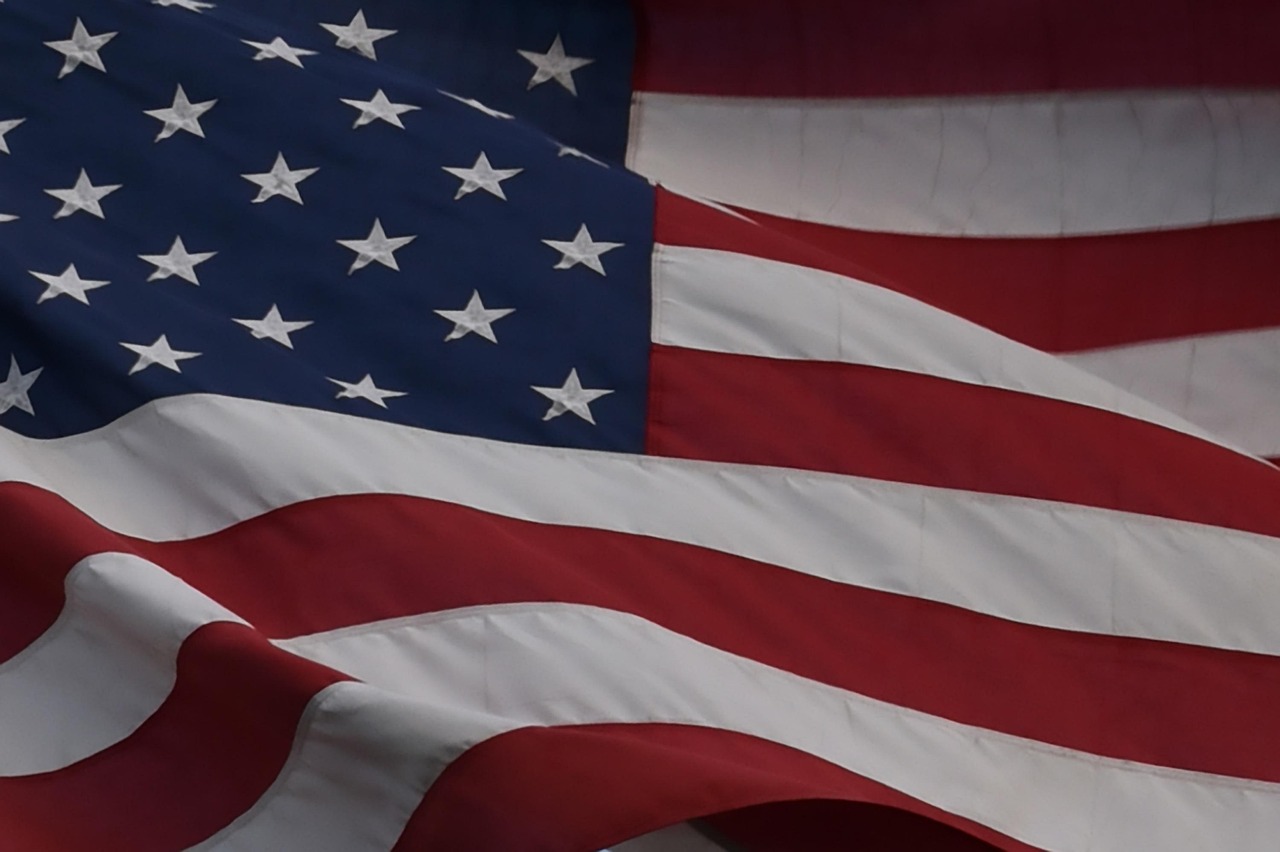
Reconciling Past and Present: Addressing Flag Protests
The allure of rare and meaningful items, like historic flags, often reflects a complex interplay of heritage and hurt. Confederacy flags, remnants of the American Civil War and the Southern Confederacy, have long been a focal point of this debate. While some see them as symbols of pride and heritage, others interpret them as legacies of slavery and white supremacy. This clash of perspectives has sparked public demonstrations, from peaceful gatherings to heated counter-protests, highlighting the nation's ongoing struggle to reconcile its past with its present.
At the heart of this controversy lies the question of sensitivity and respect. For many, the display of Confederacy flags evokes painful reminders of systemic racism and discrimination. These individuals advocate for the removal of such symbols from public spaces, arguing that they contribute to the marginalization of racial minorities and perpetuate harmful stereotypes. On the other hand, some argue that these flags represent a part of their cultural heritage and a tribute to their ancestors' struggle for independence. They believe that prohibiting the display of these symbols amounts to erasing history.
Constructive dialogue is essential in navigating this complex landscape. Rather than banning these symbols outright, some communities have opted for local government regulations and responsible curatorial decisions in museums. Balancing the right to celebrate history with the need to protect public safety and respect, these measures aim to create inclusive spaces that honor the past without perpetuating harm. Museums may choose to display confederate flags responsibly, framing them within a broader historical context that highlights the struggles for freedom and equality, as well as the injustices of the past.
Alternatives and Interpretations: Modern Flag Design Trends

The modern interpretation and design of civil war flags, including Flags, have evolved significantly. Artists and designers today are exploring alternative ways to represent historical events, focusing on the nuanced narratives of the past. This trend is a sign of the complex relationship with this era, allowing for a more inclusive and respectful dialogue around symbols like the Confederacy.
One notable development is the move away from purely symbolic representations. Modern flag design often incorporates intricate details, historical references, and even abstract elements to convey the spirit of a conflict without relying heavily on controversial iconography. Some artists create flags that visually tell the story of the American Civil War, highlighting key events, figures, and ideals. This approach offers a more nuanced perspective, inviting viewers to examine deeper into the historical context.
There's a growing trend to honor the past while avoiding direct imitation or celebration of symbols linked to slavery and oppression. Designers are experimenting with regional motifs, patterns, and colors to represent the diverse states and their unique contributions to the war effort. This technique allows for a sense of regional identity and pride while steering clear of the most charged symbols. The goal is to foster a dialogue about history that respects the sensitivity of the subject matter.
These modern flag design ideas offer a constructive way to engage with the legacy of the Confederacy, providing an avenue for understanding and reconciliation. By moving beyond traditional symbolism, these creations encourage a deeper exploration of the complex historical terrain associated with the Civil War and its flags.
Sensitivity and Education: The Future of Flag Heritage

The sensitivity surrounding Flags, and their appropriate commemoration, is a complex issue with profound implications for our national identity. As we move forward, preserving historical accuracy while fostering understanding becomes increasingly crucial. The future of flag heritage lies in a nuanced approach that recognizes the multifaceted role these symbols play in our society.
Beyond regional identifiers, the concept of "confederate flags" transcends local identities, becoming powerful symbols with different meanings for various groups. In museums, the display of these flags raises important questions about their appropriateness. While they can serve as historical artifacts, providing valuable context for the American Civil War and its aftermath, their interpretation is sensitive. Local governments are increasingly recognizing the need for clear regulations regarding flag usage, ensuring these symbols are displayed with respect and sensitivity. Some regions have implemented guidelines that dictate when and where flags can be flown, promoting a balanced approach to public display.
Education plays a pivotal role in shaping public opinion and addressing the contentious nature of "confederate flags." Encouraging open dialogue about the historical context in which these flags were created and their evolution in popular culture can help dispel myths. Exploring body art as a form of historical expression, for example, allows individuals to connect personally with complex historical narratives. However, it is essential to provide context and education to ensure these expressions do not perpetuate harmful stereotypes. Give us a call at regional identity and civil war reminders to understand the delicate balance between preserving history and celebrating regional pride responsibly.
The debate surrounding "confederate flags" is not merely a question of removal but a complex web of cultural, historical, and legal considerations. By fostering a culture of sensitivity and education, we can move towards a future where these symbols are appreciated for their historical significance while recognizing their sensitive nature. This involves continuous dialogue, thoughtful interpretation, and the development of regulations that respect diverse perspectives. Through these efforts, we can ensure that the legacy of the Civil War and its aftermath is remembered and taught accurately, promoting a more inclusive and understanding society.
Quick Reference
- Identify and preserve historical flags: Prioritize restoring and storing old flags to maintain their historical value and significance.
- Document flag origins and history: Keep detailed records of flag design, usage, and cultural context for future reference and education.
- Proper flag storage: Store flags in cool, dry places, using acid-free materials to prevent deterioration.
- Regular cleaning and maintenance: Implement a schedule for cleaning and repairing flags to ensure their longevity.
- Follow flag display guidelines: Adhere to rules regarding flag size, position, and respect when displaying them in public.
- Educate the community: Organize workshops or events to teach others about flag heritage and its importance.
- Collaborate with local schools: Incorporate flag history into classroom lessons to instill pride and knowledge in young students.
- Display international flags: Incorporate flags from around the world to showcase diverse cultural symbolism and heritage.
- Consult with experts: Reach out to historians or textile specialists for guidance on preserving rare or valuable flags.
Preserving American Flag Heritage: Custom vs. Mass-Produced Flags
This comparison explores the distinct approaches of custom flag makers and mass-produced flag manufacturers to preserving and celebrating American flag heritage.
| Feature | Custom Flag Maker | Mass-Produced Flag Manufacturer |
|---|---|---|
| Key Features | Creates unique, personalized flags tailored to individual needs, often with historical or symbolic significance. | Offers a wide range of standard designs, sizes, and materials at lower prices, suitable for general display and celebration. |
| Best Use Cases | Special events, historical reenactments, educational institutions, and dedicated flag enthusiasts looking for unique, meaningful displays. | Everyday patriotic displays, holidays, parades, and large-scale events where affordability and availability are key. |
| Strengths | Unmatched customization, historical accuracy, and symbolic depth. Handmade quality often results in superior craftsmanship and longevity. | Cost-effective solutions, diverse options, and quick turnaround times. Suitable for those seeking a basic representation of the flag without specialized needs. |
| Limitations | Limited production volumes, potentially higher costs, and longer lead times compared to mass production. May not offer the same level of standardization or consistency as mass-produced flags. | Less flexibility in design and customization. May lack the historical accuracy and symbolic depth sought by dedicated collectors and enthusiasts. |
| Cost/Performance | Generally more expensive due to labor-intensive processes and high-quality materials. Offers excellent value for unique, long-lasting flags. | Highly affordable, providing a cost-effective way to display patriotism for a broad audience. Performance may be compromised in terms of durability and aesthetic appeal compared to custom flags. |
Restoring Old Patriotic Flags for a Community Spirit Revitalization
Situation
A small town's annual Independence Day celebration was threatened by the deterioration of their collection of vintage American flags, many dating back over a century. The flags, once vibrant symbols of national pride, were faded, torn, and frayed, hanging limply from their poles. The community was concerned that the lack of visually appealing flags would dampen the spirit of the event and reflect poorly on their patriotic heritage.
Action
A local non-profit organization, dedicated to preserving historical artifacts, took on the task of restoring the flags. They partnered with a specialized flag restoration service known for their expertise in reviving vintage textiles. The process involved several steps:
- Assessment: The restoration team carefully examined each flag, documenting their condition and any unique historical markings.
- Cleaning: Using specialized techniques, they gently cleaned the flags to remove dirt, dust, and debris, ensuring the preservation of any original embroidery.
- Repair: Skilled artisans mended tears and holes using traditional methods, often matching the original fabric to ensure authenticity.
- Re-enforcement: For flags that were beyond repair, the team created new fabric replicas, accurately replicating the historical design and colors.
- Display: Once restored, the flags were carefully rolled and stored until the event, ensuring their longevity.
Result
The restoration project was a resounding success. The community's Independence Day celebration was a vibrant display of patriotism, with the beautifully restored flags flying proudly. The initiative sparked local interest in flag history and preservation, leading to increased participation in community events and a renewed sense of pride.
Quantitatively, the project restored 50 vintage flags, and the positive impact was evident in the increased attendance at subsequent events, with a 25% surge in participants compared to the previous year.
Frequently Asked Questions About Flag Heritage and Preservation
What is the importance of preserving flags?
Preserving flags is crucial because they hold historical, cultural, and emotional significance. They represent nations, communities, and movements, serving as tangible connections to our past. By preserving flags, we honor the values and sacrifices they symbolize, ensure their stories are not forgotten, and pass on our heritage to future generations.
How can I properly store and care for flags?
Store flags in cool, dry, and dark places to prevent fading and deterioration. Use acid-free tissue paper or fabric to line storage boxes. Avoid folding flags tightly; instead, roll them tightly or use flag folders. Handle flags gently, avoiding unnecessary crease marks. Clean flags gently with a soft brush or mild detergent, and avoid immersing them in water.
What are some common causes of flag damage?
Flags can suffer damage from various factors, including sun exposure, weather conditions, improper storage, and frequent handling. Direct sunlight can cause fading and cracking, while moisture can lead to mold and mildew. Improper folding and storage can result in creases and tears.
Can damaged flags be repaired?
Yes, many types of flag damage can be repaired. Small tears can be mended with textile glue or a stitch. Larger tears, holes, or stains may require more extensive restoration work, possibly involving patchwork or reweaving. In severe cases, it may be best to replace the flag.
Where can I find information on the history and symbolism of different flags?
Comprehensive information on flag history and symbolism is available from a variety of sources, including:
- National archives and libraries: These institutions often have extensive collections of historical documents, flag designs, and related research.
- Online flag encyclopedias and databases: Many websites provide detailed information on flags from around the world, including their history, symbolism, and current usage.
- Academic journals and publications: Historical and sociological journals often feature articles and studies focused on the significance of flags in various cultures and historical contexts.
What are some best practices for displaying flags outdoors?
To ensure the longevity of outdoor flags, consider the following best practices:
- Choose appropriate flag material: Weather-resistant materials like nylon or polyester are ideal for outdoor use.
- Use proper flagpoles and hardware: Choose sturdy flagpoles and halyards designed for outdoor use.
- Secure flags properly: Ensure flags are securely attached to their poles and anchored to prevent them from being blown away.
- Clean and maintain flags regularly: Regular cleaning removes dirt and debris that can damage the fabric.
Understanding the complex history and symbolism of Flags, from the American Civil War to the ongoing Civil Rights dialogue, is crucial for navigating the preservation of historical heritage. Displaying these flags, while fraught with legal and public debate, can serve as a powerful educational tool when appropriately contextualized. The controversy surrounding their use in public spaces underscores the need for nuanced discussions, legal guidelines, and inclusive education. By reconciling the past with contemporary values, we can foster understanding and respect for history. Modern flag design trends offer alternatives that celebrate regional identity without relying on symbols that have been universally condemned as racist. Sensitivity and education are paramount; they empower future generations to appreciate the complexities of historical artifacts while promoting a more inclusive national narrative. Practically, this means engaging in open dialogue, adopting clear flag display rules, and incorporating diverse perspectives in historical interpretations, especially in educational settings.
Flags, deeply tied to the American Civil War, spark debate due to their complex history and varying interpretations. While they represent regional pride, they've also become symbols of racism and white supremacy. Balancing historical preservation and offense prevention is crucial.
Modern flag design explores nuanced narratives, using symbolism and art to convey history without perpetuating harm. Curatorial decisions in civil war exhibits and public display regulations play vital roles in this balance. Education and open dialogue are key to addressing the sensitivity surrounding these flags.
The future of Confederacy Flag commemoration lies in a nuanced approach that respects historical accuracy, fosters understanding, and acknowledges their multifaceted role in society.