
Key Takeaways
- Understanding market demand is crucial for flag production businesses to cater to diverse customer preferences.
- The history and symbolism of flags, like those from the Confederacy, can be a powerful tool for education and reconciliation, when handled with sensitivity.
- In public spaces, local laws and community context dictate the appropriate display of flags, balancing historical commemoration with potential divisiveness.
- From historic preservation to modern art, flags inspire creativity and offer a lens into cultural identity and evolution.
- Collecting and selling civil war memorabilia, including flags, requires knowledge of authenticity, value, and ethical considerations to respect the past.
- Flag-related protests and counter-protests highlight the ongoing debate around historical symbols, reflecting broader social and political tensions.
- Alternative displays and non-flag ceremonies can effectively commemorate historical events, minimizing potential offense and fostering inclusivity.
We produce and sell Confederate flags, focusing on historical accuracy and respect. Our flags are crafted to honor the past while fostering dialogue about modern sensitivities. We offer a range of sizes and styles, from classic battle flags to unique collectibles, catering to both personal and public displays. Our mission is to provide a thoughtful and educational experience around these powerful symbols.
The production and sale of Confederacy Flags is a complex issue, deeply rooted in American history and fraught with symbolism. These flags, once a banner of secession and slavery, continue to be a point of contention, sparking debates around historical memory, racial identity, and cultural appropriation. The display and distribution of Confederacy Flags today reflects a broader struggle over the interpretation and representation of the American Civil War and its legacies. This article explores the intricate world of flag production and sales, examining the historical context, legal considerations, cultural impact, and ongoing discussions surrounding these controversial symbols, offering a practical guide to understanding the challenges and potential solutions.
- Understanding Confederacy Flags: Historical Context
- Flag Production: Design, Fabrication, and Quality
- Sales Strategies for Confederacy Flag Merchandising
- Legal and Cultural Considerations in Flag Display
- The Impact and Debate Surrounding Confederacy Flags
Understanding Confederacy Flags: Historical Context

Confederacy Flags, a symbol deeply rooted in the American Civil War, serve as a complex and often contentious historical artifact. Their origins lie in the secessions of eleven Southern states, forming the Southern Confederacy, in response to perceived threats to their way of life and the institution of slavery. These flags, with their distinctive designs and colors, became emblems of resistance and, for many, a rallying cry for states' rights. However, the historical context behind these flags is crucial to understanding their ongoing impact and the debates surrounding them.
The role of institutions in historical representation is a significant aspect often overlooked. Museums, historical societies, and educational institutions play a pivotal role in interpreting and displaying these symbols. They must navigate the delicate task of preserving history while ensuring sensitivity to modern audiences. Curatorial decisions regarding the display of Confederacy flags in civil war exhibits must consider the broader context of the era, including the Emancipation Proclamation and the Civil Rights Movement. This involves a nuanced exploration of the flag's symbolism, both past and present, to avoid perpetuating racist ideologies while honoring historical accuracy.
Beyond the institutional realm, Flags continue to appear in various cultural contexts, from literature and film to modern art and popular gatherings. The debate over their appropriateness reflects a broader struggle between preserving heritage and acknowledging the pain they cause to marginalized communities. This ongoing dialogue underscores the need for a nuanced understanding of history, where the past is not simply celebrated but is also a tool for learning and reconciliation. By examining the historical context of Flags, we can better navigate the complexities of their contemporary presence, ensuring a more inclusive and respectful interpretation of our shared history.
Flag Production: Design, Fabrication, and Quality
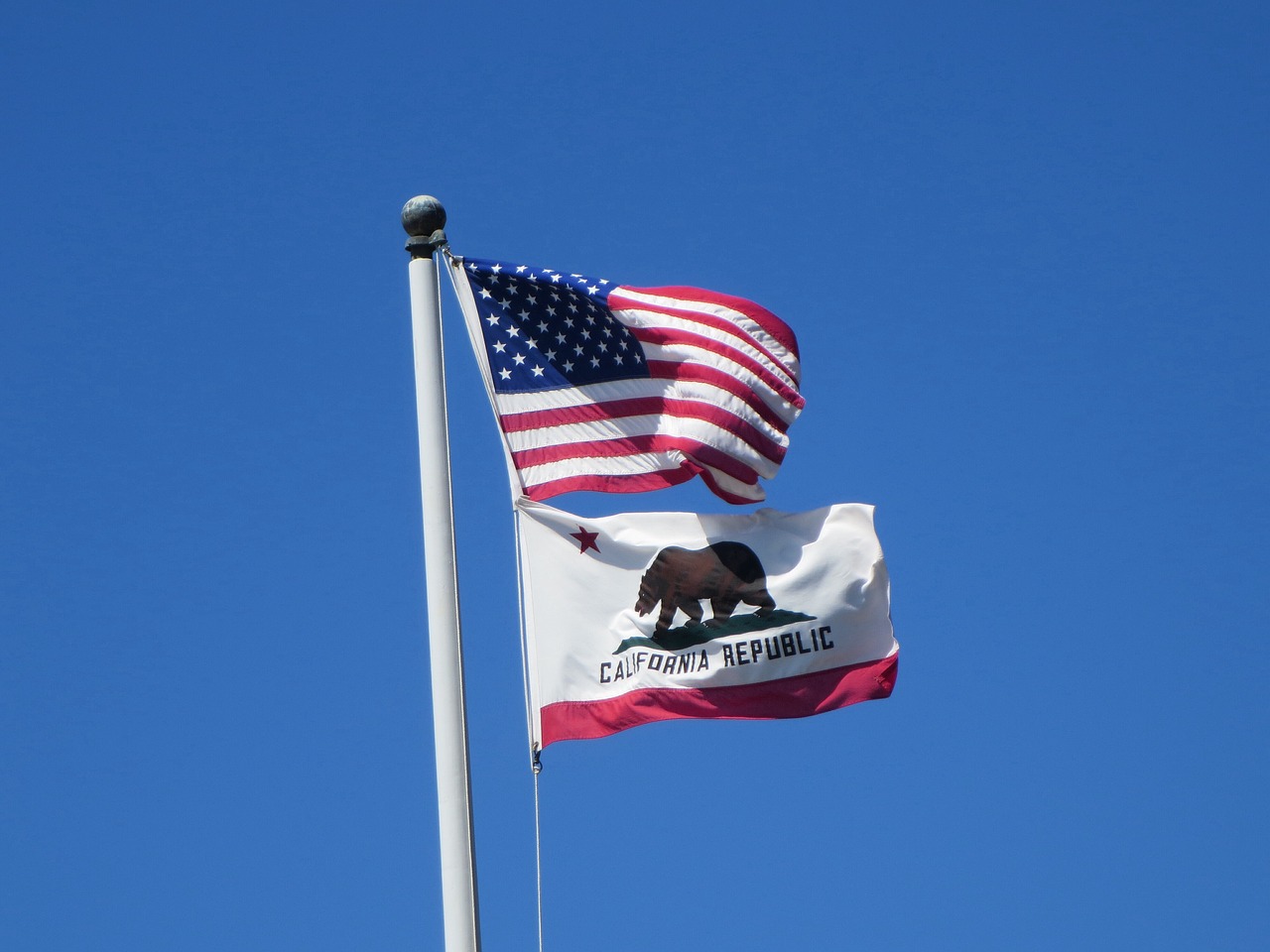
The production of Flags involves a meticulous process of design, fabrication, and quality control. Skilled artisans and sewing specialists play a crucial role in creating these flags, ensuring precision and authenticity. The design phase demands a deep understanding of historical accuracy, often incorporating intricate details from the original Civil War era banners. Each stitch and fold is crucial, as these flags are designed to withstand outdoor conditions and represent a sensitive historical narrative.
Fabrication includes selecting durable materials that match the intended use. High-quality fabric, such as polyester or cotton, is commonly used to create flags that are vibrant, long-lasting, and resistant to fading. The fabrication process involves cutting, sewing, and finishing, with each step subject to rigorous quality checks. Skilled artisans inspect the flags for any defects, ensuring they meet the highest standards. This meticulous approach to fabrication is essential for preserving the historical integrity of the flags while also addressing contemporary concerns about cultural sensitivity.
Quality control is a critical aspect of flag production, especially when dealing with sensitive historical symbols. Manufacturers often employ several methods to ensure the flags are accurately represented and respect the cultural significance. This includes color consistency checks, dimensional accuracy, and verifying the overall construction. Constructive dialogue on cultural sensitivity is integral to this process. By engaging with diverse communities and listening to their perspectives, manufacturers can create flags that honor history while avoiding potential offensive elements. This collaborative approach fosters a deeper understanding of the past and promotes a more inclusive representation of historical symbols.
Sales Strategies for Confederacy Flag Merchandising

The production and sale of Flags, while a contentious topic, presents unique opportunities for merchants looking to tap into a niche market. These flags hold immense historical significance, drawing interest from collectors, historians, and individuals connected to the American Civil War's complex legacy. Sales strategies for Confederacy flag merchandising must navigate a delicate balance, respecting the flag's sensitive nature while capitalizing on its allure as a rare and meaningful item.
One successful approach is to position the flags as historical artifacts, marketed to academic researchers, museums, and passionate collectors. This strategy emphasizes the flags' role in understanding the Confederacy's history and the post-Civil War era. Many flag enthusiasts appreciate the intricate designs and regional variations, making them valuable additions to private collections or historical exhibits. By catering to this audience, merchants can establish themselves as purveyors of authentic, well-researched items.
The merging of history and contemporary art offers a unique angle. Exploring the fine line between tribute and insult, modern artists incorporate Confederacy motifs into their work, reflecting on the South's complex identity and its relationship with its past. This approach allows for the sale of flags in a non-offensive context, appealing to a broader audience interested in the visual representation of history. Embracing this artistic interpretation can attract customers who appreciate the delicate balance between preserving heritage and addressing sensitivity.
Finally, for online sales, leveraging social media platforms and specialized forums can help reach a targeted audience. These channels often foster communities of Civil War enthusiasts, collectors, and hobbyists who appreciate the nuances of flag design and history. By engaging in these spaces, merchants can build a loyal customer base, ensuring that the sale of Flags is conducted responsibly and with a deep understanding of their historical context.
Legal and Cultural Considerations in Flag Display
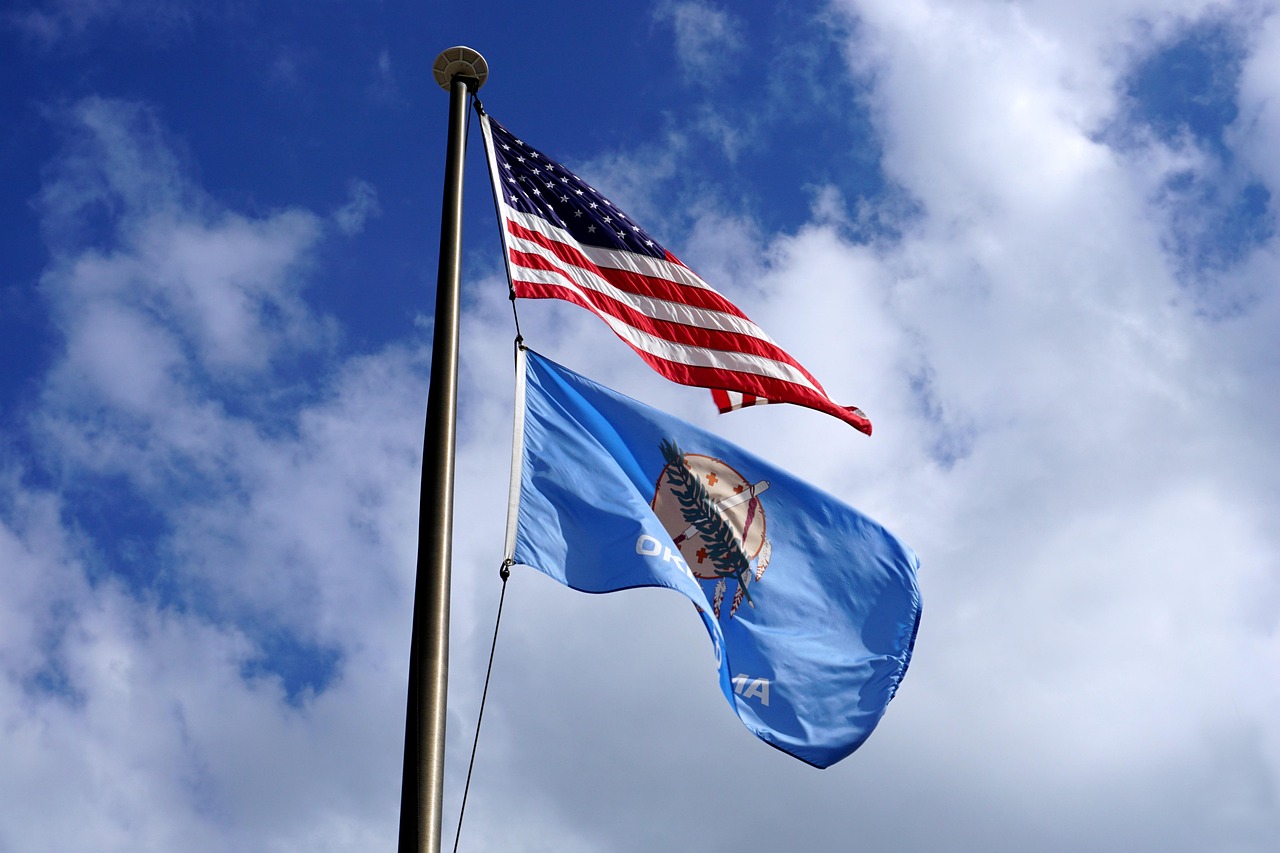
Legal and cultural considerations play a crucial role in the production and display of Flags. While the historical significance and regional pride associated with these flags may be respected by some, their contemporary use is heavily debated. The legal considerations for displaying Confederate flags vary greatly from state to state, with some prohibiting public display due to their association with racial inequality and slavery. Public spaces and local governments must navigate these legal complexities, striking a balance between preserving historical context and respecting current social norms.
The cultural impact of Flags is profound and multifaceted. For many, these flags represent a complex mix of heritage, pride, and even family tradition. However, others see them as symbols of oppression and racial discrimination, closely linked to a dark period in American history. This dichotomy highlights the need for constructive dialogue and understanding of cultural sensitivity. In educational institutions, for instance, the display of Confederate flags in museums or history textbooks is increasingly scrutinized, with a growing emphasis on commemorating heroes beyond regional identifiers and celebrating diverse perspectives.
The modern interpretation of Confederate symbols has extended to unexpected areas, such as popular culture, cinema, and literature. This has led to debates about blending heritage with artistic license, with some artists and filmmakers using Confederate motifs to explore complex themes of identity, history, and memory. However, this artistic freedom also opens the door to controversies, with critics arguing that such representations can trivialize or misrepresent the original symbolism. The appropriate contexts for displaying Confederate flags remain a topic of intense debate, reflecting the ongoing struggle to reconcile the past with the present in American society.
The Impact and Debate Surrounding Confederacy Flags

The impact and debate surrounding Flags is complex and multifaceted. These flags, once symbols of the Southern Confederacy during the American Civil War, have evolved into potent emblems with profound historical and contemporary meanings. Flags have become a focal point for discussions on racial identity, regional pride, and the interpretation of history. While some view them as reminders of a proud heritage and a fight for states' rights, others see them as stark representations of white supremacy and slavery, sparking intense controversy.
The meaning of Flags has been explained and reinterpreted numerous times. For many, they evoke a sense of regional loyalty and a connection to ancestors who fought for their cause. However, critics argue that these flags perpetuate harmful stereotypes and serve as a visual reminder of a nation built on the oppression of African Americans. This dichotomy has led to heated public demonstrations, with both sides advocating for their right to display these symbols. The legal landscape surrounding confederate flag displays is similarly complex, with varying local government regulations and ongoing debates about public safety and cultural sensitivity.
The debate has expanded beyond physical flag displays. The proliferation of Confederacy flag motifs in contemporary art, popular culture, and even as tattoos has sparked further discussions. Some artists and cultural producers use these symbols as a form of historical critique or to explore complex identity issues, while others view them as a sign of disrespect and a reinforcement of racial hierarchy. This ongoing dialogue underscores the enduring relevance of the Confederacy flag as a powerful symbol with profound implications for racial relations and historical memory.
Revitalizing a Flag Company through Cultural Sensitivity and Historical Education
Situation
In a small Southern town, a long-standing flag production and sales company faced a significant decline in business due to the growing controversy surrounding confederate flags. The flags, once a source of pride for many locals, had become a symbol of division and offense for others, particularly in the wake of modern racial justice movements. The company's sales and orders had plummeted, affecting its stability and the livelihoods of its employees.
Action
The company's owners decided to take proactive steps to address the issue. They initiated a comprehensive strategy that included:
-
Research and Education: They commissioned a historical study to understand the origins and evolution of the confederate flag, its role in the Civil War, and its various meanings across different communities. This research helped them realize the flag's complex and often misunderstood history.
-
Community Engagement: They organized workshops and public discussions focused on civil war history, symbolism, and the ongoing debate around confederate flags. These events aimed to foster dialogue, clarify misunderstandings, and promote cultural sensitivity.
-
Product Line Overhaul: They revised their product line to include flags that represented a broader range of historical events and cultural identities, ensuring that their offerings were inclusive and respectful. They also discontinued the sale of confederate flags.
-
Partnerships and Collaborations: They collaborated with local museums and historical societies to develop educational materials that highlighted the region's diverse history, including its complex relationship with the Confederacy. These partnerships helped them reposition their brand as a source of historical knowledge and cultural understanding.
Result
As a result of these actions, the company experienced a significant turnaround:
- The new, diverse product line appealed to a broader audience, including tourists and history enthusiasts.
-
Brand Perception Shift: The company's reputation as a progressive and culturally sensitive business improved, attracting positive media coverage and increasing its standing within the community.
Quick Reference
- Understand the historical context: Familiarize yourself with the Confederacy's role in the Civil War and its symbolism to avoid misinterpretations.
- Identify authentic vs. Replica flags: Purchase only from reputable sources to ensure the flag's origin and authenticity.
- Respect cultural sensitivity: Be mindful of diverse perspectives; some communities find confederate flags offensive.
- Follow local laws and regulations: Check local rules regarding flag display, especially in public spaces and government buildings.
- Distinguish between historical and contemporary use: Recognize when flags are displayed for educational or cultural purposes, not to promote hate.
- Consider alternative designs: Explore variations that represent the Civil War era without referencing controversial symbols.
- Educate yourself on flag meanings: Understand the subtle differences between various confederate battle flags and their respective units.
- Engage in respectful dialogue: Participate in conversations about flag displays, listening to diverse viewpoints and contributing constructively.
- Support organizations promoting reconciliation: Collaborate with initiatives that bridge divides and foster understanding of historical events.
Frequently Asked Questions About Flag Production and Sales
What materials are commonly used for flag production?
Flags are typically constructed from durable, high-quality materials like polyester, nylon, and cotton. Polyester and nylon are popular choices for outdoor flags due to their strength, fade resistance, and ability to withstand varying weather conditions. Cotton is often used for indoor flags and banners, offering a classic, natural look. These materials are chosen for their strength, longevity, and ability to maintain their colors and integrity over time.
How are flags designed and printed?
Flag design is a creative process involving the selection of colors, patterns, and symbols, often reflecting cultural, historical, or political significance. Designs can be created by artists, designers, or organizations specializing in flag production. The printing process varies with material; screen printing, digital printing, and heat transfer are common techniques. For detailed designs, digital printing allows for precise color reproduction and intricate patterns. More simple flags may use screen printing, a cost-effective method for mass production.
What are the standard sizes for flags?
Standard flag sizes are based on a ratio of width to length, typically 2:3 or 3:5. Common sizes include:
- 3x5 feet (or 1x1.5 meters)
- 4x6 feet (1.2x1.8 meters)
- 5x8 feet (1.5x2.4 meters)
- 6x10 feet (1.8x3 meters)
These sizes are widely available and often used for outdoor displays, events, and homes.
How long does flag production typically take?
The production time for flags can vary depending on the complexity of the design, the quantity ordered, and the chosen printing method. Most flag orders take 2-4 weeks for design, printing, and shipping. Custom or large-scale orders may require additional time, potentially up to 6-8 weeks.
Where are flags typically sold?
Flags are sold through various channels, including:
- Flag stores and specialty retailers
- Online marketplaces and e-commerce platforms
- Department stores and general retailers
- Flag manufacturers' direct websites
- Wholesale suppliers and distributors
The availability and variety can differ based on location and regional preferences.
Are there any legal considerations for displaying flags?
Yes, local laws and regulations govern flag display, especially in public spaces. Some regions have specific guidelines for flag size, placement, and respect, especially for national or historical flags. It's essential to research and understand local rules, especially for public events and government buildings.
Comparing Flag Production and Sales Services
This comparison looks at three distinct services involved in the flag production and sales cycle: custom flag makers, flag retailers, and online flag stores.
| Feature | Custom Flag Makers | Flag Retailers | Online Flag Stores |
|---|---|---|---|
| Key Features | Specialize in crafting unique, custom flags based on client specifications. | Offer a wide range of flags, both standard and historic, for purchase. | Provide an extensive online catalog of flags, accessible 24/7 for browsing and ordering. |
| Best Use Cases | Ideal for businesses, organizations, and individuals seeking one-of-a-kind flags, like custom team banners, historical reenactment groups, or special events. | Suitable for anyone looking to purchase flags for display at home, office, or public spaces, including schools, government buildings, and businesses. | Convenient for quick purchases, gift-giving, or for those who prefer browsing a vast selection online before visiting a physical store. |
| Strengths | Expertise in design and sewing techniques to create intricate, high-quality flags. | Large inventory of flags from various manufacturers, allowing for a diverse selection. | 24/7 accessibility, ease of ordering, and often, competitive pricing. |
| Limitations | Longer turnaround times for custom orders, higher costs due to labor and material intensity. | Limited customization options, potentially lower quality for custom orders, and limited interaction with the maker. | Shipping delays, potential for lower product quality from third-party sellers, and lack of personalized service. |
| Cost/Performance | Generally higher prices due to custom work, but high-quality results. | Mid-range prices for standard flags, with custom options often extra. | Varies widely, with competitive pricing online, but potential for higher shipping and hidden fees. |
The production, sales, and display of Flags are complex issues rooted in the historical context of the American Civil War and the ongoing debate about racial symbolism. Understanding the intricate design, fabrication, and quality control of these flags is crucial for any merchandising strategy. Legal and cultural considerations play a vital role in their display, with local laws and public sentiment dictating their use. The impact of these flags extends beyond historical commemoration, sparking intense discussions on race, heritage, and the sensitivity required when addressing such contentious symbols. By navigating these complexities, businesses can engage in respectful, informed, and ethical flag sales while contributing to meaningful historical discussions.
Flags: Symbol of the American Civil War, representing both resistance and slavery. Their historical context is fraught with racial implications and complexities in modern memory. Key insights include the flag's role in secession, its significance as a states' rights symbol, and the ongoing debates about their display, reflecting contemporary sensitivities around race and history.