
The Confederate flag, once a symbol of the Civil War South, has become a complex and controversial emblem. It represents a history of slavery and the struggle for states' rights, but also evokes feelings of regional pride and heritage. Understanding its historical context is crucial, as the flag's meaning varies greatly among Americans, leading to debates about its display in public spaces and its place in modern culture.
Key Takeaways
- The Confederate flag, a powerful symbol with complex meanings, has sparked intense debates about its place in modern American society.
- Understanding the historical context of the Civil War is crucial to interpreting the flag's symbolism and its ongoing controversy.
- Flag displays reflect regional identities and historical interpretations, highlighting the need for nuanced discussions.
- Legal considerations and local laws play a significant role in regulating flag displays, ensuring public safety and respect.
- Reconciling the past and promoting sensitivity are essential for a peaceful coexistence with controversial historical symbols.
- Alternatives to Confederate flags can help honor history while avoiding offense, focusing on inclusive representation.
- Institutions, like museums, have a responsibility to display artifacts responsibly, offering educational insights into a complex history.
The Confederacy Flags and their place in American history are a complex and sensitive topic. These flags, representing the Southern states during the American Civil War, have long been a source of debate, symbolizing both pride in regional heritage and a dark era of slavery and segregation. Today, their display is a flashpoint in public discourse, with strong arguments on both sides. This article explores the historical context of Confederacy Flags, the symbolism they bear, and the legal, cultural, and social implications of their usage. We examine the debate surrounding their place in public spaces, education, and modern cultural expressions, offering a practical guide to understanding this contentious issue. By examining the past, present, and potential future of these flags, we aim to provide valuable insights for historians, educators, and anyone seeking to navigate this complex historical symbol.
- Understanding Confederacy Flags: Historical Context
- Symbolism and Meanings: Beyond the Fabric
- Civil War Era: Flags as Historical Records
- Displaying Flags Today: Legal and Ethical Considerations
- Controversial Use: Protests, Counter-Protests, and Reconciliation
- The Future: Reconciling History, Respect, and Sensitivity
Understanding Confederacy Flags: Historical Context
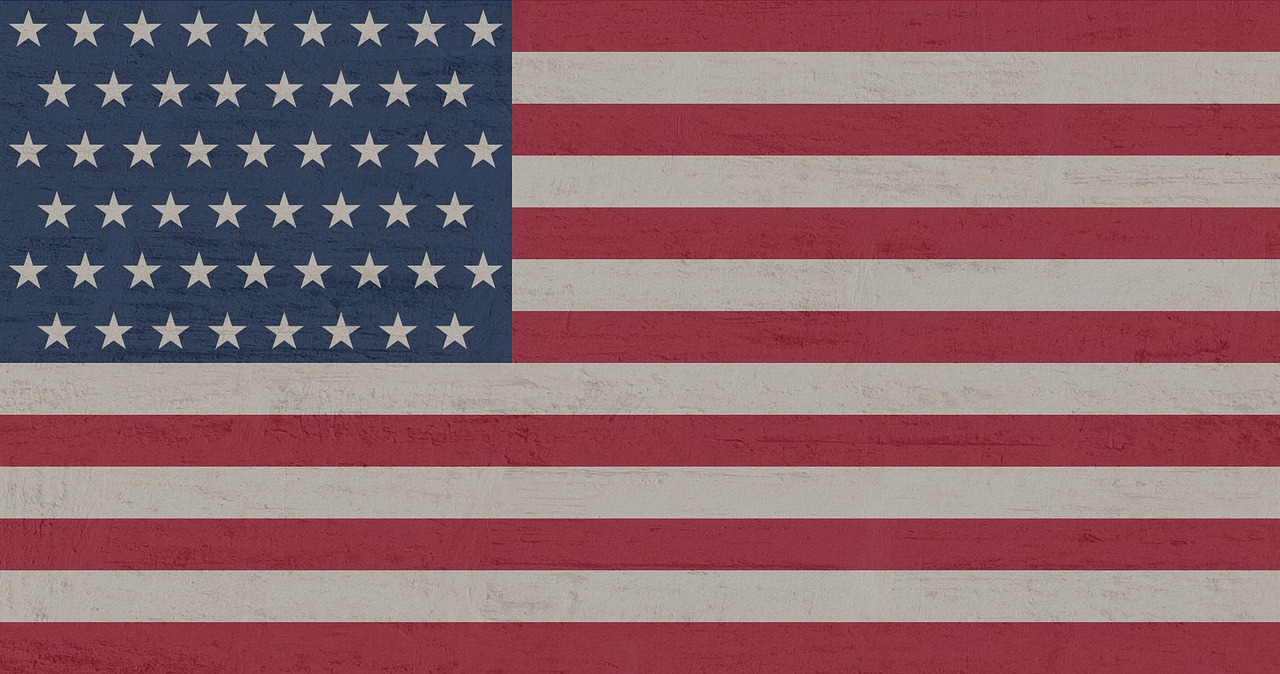
The Confederacy Flags, a symbol deeply rooted in American history, represent a complex and contentious era. To understand their impact, one must examine the historical context of the American Civil War and the Southern Confederacy. The flags, initially representing the secessions states' independence from the Union, became the emblem of a nation built on the principles of slavery and white supremacy.
During the Civil War, the Southern Confederacy designed a flag featuring a blue field with stars, representing the states that had seceded, and a red or white cross, symbolizing the region's agrarian and aristocratic identity. However, the most recognizable element, the "Confederate Battle Flag," evolved from a simple design with a red field and blue cross to the more infamous "Rebel Flag" with its distinctive red, white, and blue stripes and blue union in the corner. This flag, though a symbol of regional pride for some, has been a source of controversy due to its association with the institution of slavery and the violent resistance to the Emancipation Proclamation.
Displaying sensitive artifacts responsibly, like historical flags, requires a nuanced understanding of their historical context. The Confederacy Flags, in particular, evoke powerful emotions and reminders of a dark period in American history. Their use, especially in public spaces, has sparked debates on reconciliation, cultural sensitivity, and the preservation of historical truths. This section's focus on the historical context of the Confederacy Flags underscores the importance of recognizing the complex legacy they represent, paving the way for a more informed and constructive dialogue on their role in modern society.
Symbolism and Meanings: Beyond the Fabric

Beyond the fabric and design, Confederacy flags encapsulate a complex web of symbolism, memories, and interpretations that have evolved over time. For many, these flags represent a period of American history shrouded in the echoes of slavery, secession, and a failed attempt to preserve a way of life rooted in white supremacy. They evoke a range of emotions, from pride in a regional identity to profound discomfort, anger, and a call for reconciliation.
The very nature of these flags as symbols is deeply divisive. Some see them as relics of a bygone era, representing a lost cause and a system that denied basic human rights. Others, driven by a desire to preserve family heritage or a romanticized view of regional history, display them as a form of personal expression, unaware of the pain and offense they can cause. This disconnect has fueled an important constructive dialogue on cultural sensitivity, particularly around the question of why certain places ban Confederacy flags while others allow their display. This dialogue is crucial for understanding the multifaceted nature of historical symbols and their impact on contemporary society.
The debate surrounding Confederacy flags highlights the need for a nuanced approach to historical interpretation. They are not mere inanimate objects; they are deeply embedded in the fabric of American history, evoking memories of the Civil War, Emancipation Proclamation, and the Civil Rights Movement. As such, they serve as potent reminders of the nation's struggle with racial inequality and its ongoing quest for reconciliation. By examining the symbolism and meanings associated with these flags, we can gain valuable insights into the complex relationship between history, memory, and identity in America.
Civil War Era: Flags as Historical Records

During the American Civil War, Flags served as more than mere symbols of regional identity; they were historical records, meticulously designed to communicate political ideals, military might, and cultural aspirations. Each flag, with its unique design and colors, carried profound meaning for those who fought and died under its folds. The Confederate battle flag, for instance, incorporated the colors of the American flag, but with a distinct blue field and white stars, signifying a break from the Union and the creation of an independent Southern nation. This visual representation of secession and the struggle for autonomy became a powerful tool for rallying support and fostering a sense of unity among the people of the South.
The South's complex relationship with its history is reflected in the various interpretations and uses of these flags over time. While some view them as symbols of pride and heritage, others see them as reminders of a dark era marked by slavery and racial inequality. The Civil Rights Movement, for example, emerged in part as a response to the lingering impact of the Confederacy, with activists advocating for the removal of Confederate monuments and flags from public spaces as a step towards racial reconciliation. This ongoing debate underscores the ongoing struggle to reconcile the past with the present, as the South grapples with its complex legacy.
The historical context of these flags extends beyond the battlefield. They have left an indelible mark on the region's culture, influencing everything from regional design aesthetics to educational curricula. Even today, they continue to spark conversations about cultural appropriation, heritage preservation, and the sensitivity required when addressing sensitive historical symbols. Understanding the role of Flags in the past is essential for interpreting the present and shaping a more inclusive future, where historical records are celebrated without perpetuating harmful stereotypes.
Displaying Flags Today: Legal and Ethical Considerations

Displaying flags today, particularly sensitive symbols like Flags, involves a complex interplay of legal considerations, ethical responsibilities, and historical respect. While the right to fly or display flags is generally protected under the First Amendment, local governments and institutions often enact regulations to address public safety and maintain a respectful environment. These laws and guidelines vary widely, reflecting the diverse perspectives on historical symbolism.
When considering the display of Flags, it's crucial to differentiate between preserving history and perpetuating harm. While some may view these flags as a nod to regional heritage, others see them as emblematic of a system that practiced slavery and sought to preserve white supremacy. Legal restrictions often stem from the recognition that flags can serve as rallying points for hate groups, inciting racial tensions or violence. Many public spaces, schools, and government buildings have prohibited the display of Flags to foster an inclusive environment.
The ethical considerations extend beyond legal boundaries. Displaying a Confederacy flag, especially in certain contexts, can inadvertently honor or romanticize aspects of a history marked by racial oppression and injustice. Experts emphasize the importance of understanding the historical context behind flags and their potential impact on different communities. Preserving history while addressing sensitivity requires a nuanced approach, balancing the right to remember with the responsibility to respect the experiences of those who were marginalized or harmed by the historical symbols being displayed.
Controversial Use: Protests, Counter-Protests, and Reconciliation

Controversial Use: Protests, Counter-Protests, and Reconciliation
The display of Flags has long been a contentious issue in the United States, especially in the context of civil rights and historical reconciliation. These flags, once symbols of the Southern Confederacy during the American Civil War, have evolved into powerful symbols of both pride and controversy. Today, they spark passionate debates and draw attention to the nation's complex history. One side views them as a celebration of Southern heritage, while the other considers them remnants of a racist and oppressive past.
Protests against the display of Flags have gained momentum, particularly in the wake of recent events and the rise of social justice movements. Activists argue that these flags represent a legacy of white supremacy and continue to promote racial division. In response, counter-protests have emerged, often led by groups advocating for heritage preservation and regional pride. These tensions highlight the need for a nuanced understanding of history and the potential for these symbols to be used for both positive and negative purposes.
Reconciling the past and addressing the ongoing impact of slavery and segregation is a delicate process. Many believe that removing Flags from public spaces is a crucial step towards healing and a more inclusive society. Others argue for the importance of historical context and the right to honor their ancestors. Balancing these perspectives requires a thoughtful dialogue that acknowledges the pain caused by these symbols while respecting the desire to preserve cultural heritage. This ongoing debate underscores the need for a deeper exploration of the Confederacy's legacy and its complex relationship with modern American identity.
The Future: Reconciling History, Respect, and Sensitivity

As the nation continues to grapple with racial inequality and historical revisionism, the future of flags in American society is a complex and evolving topic. The ongoing debate surrounding these symbols underscores the need for a nuanced understanding of history, respect for diverse perspectives, and sensitivity to their impact on marginalized communities.
Reconciling the past with the present requires a thoughtful approach to historical interpretation. While some view flags as symbols of regional pride and heritage, others see them as remnants of a time rooted in white supremacy and slavery. This dichotomy is not merely a matter of perspective; it reflects deeper cultural and political divisions. Experts argue that simply removing flags from public spaces does not address the root causes of racial tension. Instead, it is crucial to engage in constructive dialogue, educate the public, and foster an environment where all Americans can learn from history without perpetuating harm.
Building a collection of historic flags, including flags, can serve as a powerful tool for understanding the past. By examining these artifacts, we can uncover the complex social, political, and economic forces that shaped the nation. However, it is essential to display them responsibly, providing context and interpretation that challenges simplistic narratives. This process can help bridge generational gaps, promote cultural understanding, and foster empathy among Americans, regardless of their views on history. It can contribute to a broader national conversation about race, identity, and the ongoing struggle for equality.
Quick Reference
- Identify the type of flag: Understand the difference between Confederate battle flags, reconstruction era flags, and modern interpretations.
- Know your history: Familiarize yourself with the historical context of the Civil War and the Confederacy to avoid misinterpretations.
- Context is key: Consider the setting and intent behind flag displays; respect may require removing or altering a flag.
- Respect cultural sensitivity: Be aware of the offensive nature of the flag to many and avoid using it to promote division.
- Local laws apply: Check for restrictions and regulations regarding flag displays in public spaces and government buildings.
- Understand symbolism: Explore the diverse interpretations of Confederate symbols, from pride to pain, to make informed decisions.
- Engage in dialogue: Participate in peaceful conversations to bridge divides and foster understanding of historical perspectives.
- Consider alternatives: Explore non-flag displays and respectful ways to commemorate historical events and figures.
Addressing Confederate Flag Protests at a Historic Battlefield Park
Situation
In a small town in the American South, a historic battlefield park featuring a confederate memorial was facing growing public pressure. The park, a popular tourist destination, had seen an increase in visitors expressing concern over the display of confederate flags. Many local residents and out-of-town tourists alike found the flags offensive, especially considering the park's role as a symbol of reconciliation and a place to honor all veterans. The park's governing board was tasked with finding a solution that would address the concerns while preserving the park's historical integrity and welcoming all visitors.
Action
The park's board initiated a three-step process:
-
Research and Consultations: They formed a committee including historians, cultural sensitivity experts, and community leaders to research the historical context of the confederate flags and their symbolism. The committee held public meetings to gather input from diverse stakeholders, including descendants of confederate veterans and descendants of those who fought against the Confederacy.
-
Design and Implementation: Based on the research and input, the committee designed a new interpretive display that placed the confederate flags within a broader historical context. This included a detailed explanation of the Civil War, the role of the confederate soldiers, and the evolution of the confederate flag over time. The new display was designed to be both informative and respectful, emphasizing the importance of reconciliation and understanding.
-
Community Engagement and Education: The park launched an extensive public education campaign, including workshops, tours, and online resources. These initiatives aimed to foster dialogue about the history of the Civil War, the meaning of the confederate flag, and the challenges of historical representation. The park also encouraged visitors to share their thoughts and experiences, creating a safe space for open discussion.
Result
The new interpretive display and educational initiatives had a significant impact:
- The educational workshops were particularly well-received, with an average attendance of 50 people per session.
-
Enhanced Community Dialogue: The initiatives sparked meaningful conversations among both locals and tourists, leading to a better understanding of the historical complexities surrounding the Civil War and the confederate flag. This dialogue contributed to a growing sense of reconciliation and respect for diverse perspectives in the community.
Frequently Asked Questions About Flag and American History
What is a confederacy flag? The confederacy flag, also known as the "Confederate battle flag" or "Southern cross," is a symbol that historically represented the Confederate States of America during the American Civil War (1861-1865). It features a blue field with white stars and red stripes, often incorporating a design of seven red and white stripes and one blue field with white stars. Today, its use is highly controversial, as it has come to be associated with racism, slavery, and the defense of a pro-slavery, white supremacist cause.
What is the history of the confederacy flag? The flag was initially adopted by the Confederate States in 1861, symbolizing their secession from the United States and their desire for independence. It was used as a battlefield flag and later as a national flag during the Civil War. After the war's conclusion and the abolition of slavery, the flag became a contentious symbol for those who sought to preserve white supremacy and resist racial equality. It was widely displayed in the South during the late 19th and early 20th centuries, often as a show of regional pride or resistance to changing social norms.
Why do confederate flags cause controversy today? The confederacy flag continues to stir strong emotions and controversy today because of its deep-seated associations with slavery, racism, and the defense of a pro-slavery ideology. For many Americans, particularly African Americans, the flag represents a painful legacy of oppression and discrimination. Its display can evoke feelings of trauma and anger, especially in public spaces, schools, and government buildings. The flag's use has been linked to hate crimes, white supremacist groups, and a resistance to racial progress and equality.
Should confederate flags be flown in public? The display of confederate flags in public spaces is a highly debated topic. Many communities have chosen to ban them from public property, including government buildings, schools, and parks, due to their offensive nature and potential to incite racial conflict. These bans are often driven by concerns about public safety, historical accuracy, and the preservation of a respectful and inclusive public environment. However, others argue for freedom of speech and the right to display historical symbols, leading to ongoing public discussions and legal considerations.
How do I identify different confederate flags? Confederecy flags vary in design, including different numbers and arrangements of stars, bars, and stripes. The most recognizable is the "Confederate battle flag," featuring a blue field with white stars and red stripes. Other variations include the "Dixie flag" (a red field with white stars), the "General Lee flag" (a red field with a single white star), and the "Confederate national flag" (similar to the battle flag but with a more formal design). Each variation carries historical significance and can be identified by these distinct features.
Why are confederate flags banned in certain places? Confederate flags are banned in certain places, such as government buildings, schools, and public parks, due to their offensive nature and potential to incite racial conflict. Local governments and authorities often restrict the display of these flags to protect public safety, promote historical accuracy, and foster an inclusive public environment. Banning confederate flags in these spaces is a way to prevent the perpetuation of harmful stereotypes and to honor the progress made in racial equality.
How can we honor history without confederate flags? Honoring history without relying on confederate flags involves exploring alternative ways to commemorate the past. This can include focusing on the contributions of diverse cultures and communities, promoting educational initiatives that teach about the Civil War from multiple perspectives, and displaying artifacts and exhibits that emphasize historical context and sensitivity. By shifting the emphasis from divisive symbols to inclusive narratives, we can create a more respectful and accurate representation of history.
Comparing Confederate and Union Flags: Symbolism, History, and Modern Context
This section compares the Confederate and Union flags, examining their symbolism, historical significance, and their presence in modern contexts.
| Feature | Confederate Flag | Union Flag |
|---|---|---|
| Key Features | Symbolized the cause of the Confederate States of America during the American Civil War, representing states that seceded from the United States. | Represents the United States of America, embodying national unity, democracy, and freedom. |
| Best Use Cases | Historical reference, cultural heritage, and as a symbol of regional identity. | Official government usage, national events, and as a universal symbol of the United States. |
| Strengths | Evokes a sense of regional pride and historical connection for some, preserving a part of American history. | Widely recognized and understood, symbolizing an unified nation and democratic values. |
| Limitations | Highly controversial due to its association with slavery and the Confederacy, leading to public demonstrations and legal restrictions. | May be perceived as distant or abstract for some individuals, especially in regions with distinct local identities. |
| Cost/Performance | Emotional value for owners, but often subject to debate and controversy, with varying legal implications. | Relatively low cost to obtain, widely available, and serves as a consistent symbol of national identity. |
The flags, deeply rooted in the American Civil War, serve as powerful historical artifacts that evoke complex emotions. They stand as tangible records of a nation's division and, for some, as symbols of regional pride and heritage. However, their controversial nature, often intertwined with white supremacy, has sparked global debates about cultural appropriation, racism, and the interpretation of history. The legal and ethical considerations surrounding their display today reflect a broader societal struggle to reconcile the past with the present, recognizing both the need to honor history and the imperative to protect against the misuse of symbols that can incite harm. The ongoing public dialogue and protests highlight the importance of understanding the past, not just for historical accuracy, but for addressing ongoing social issues and fostering a more inclusive society.
Flags: Historical Context and Contemporary Contention
The flags are a powerful symbol of the American Civil War, representing the secessions states' independence and, later, the Confederacy's principles of slavery and white supremacy. During the war, the Southern Confederacy adopted a flag featuring a blue field, symbolizing a struggle for identity, race, and equality. Today, these flags remain contentious, evoking strong emotions related to history, regional identity, and ongoing racial justice efforts. Understanding their historical context is crucial for navigating their contemporary display and interpretation.