
Key Takeaways
- Understanding the Market: Flag auctions can fetch surprising prices, reflecting cultural significance and historical interest.
- Legal Considerations: Before selling or displaying a flag, research local laws to ensure compliance and avoid potential controversies.
- Authenticity is Key: Experts recommend thorough research and documentation to ensure the historical accuracy of civil war flags.
- Symbolism Matters: Flags can be powerful symbols, evoking strong emotions; be mindful of their meaning to different groups.
- Collecting as a Hobby: Many enthusiasts appreciate the historical narratives and stories behind rare and vintage flags.
- Public Opinion Shapes Sales: Flag auctions often reflect broader societal attitudes towards historical remembrance and cultural heritage.
- Education Through Flags: Well-researched flag collections can serve as educational tools, offering insights into historical context and diverse perspectives.
Flag Collection and Auctions: We specialize in acquiring, appraising, and selling historic flags, including Confederate flags, from the Civil War era and beyond. Our expert team ensures each flag's authenticity and historical significance, offering them to collectors, institutions, and the public. We navigate the sensitive nature of these flags, providing transparent information and responsible handling.
The collection and auction of Confederacy flags is a complex and contentious issue, reflecting the broader historical and cultural debates surrounding the American Civil War and its legacy. These flags, once symbols of a secessionist cause, now serve as powerful mementos and highly sought-after collectibles. However, they also stir up fierce controversy, as they remain inextricably linked to issues of racism, white supremacy, and the ongoing struggle for racial equality. This article examines the intricate world of flag collection and auctions, exploring the historical context, legal considerations, and the profound social implications of these controversial artifacts. We offer a practical guide to navigating this complex landscape, providing insights for collectors, historians, and anyone interested in understanding the enduring impact of the Confederacy.
- Understanding Confederacy Flags: Historical Context
- Collecting and Conserving Civil War Banners
- The Market for Confederate Battle Flags
- Auctions: A Platform for Historical Reflection
- Controversial Displays: Public Spaces and Flags
- Preserving Heritage: Flag Etiquette and Sensitivity
Understanding Confederacy Flags: Historical Context

The display and collection of Confederacy flags, often charged with complex historical and cultural meanings, requires a nuanced understanding of their origins and the broader societal context in which they emerged. These flags, symbolizing the Southern Confederacy during the American Civil War (1861-1865), have been subjects of commemoration, debate, and legal scrutiny for over a century. Their historical interpretation is deeply tied to the ongoing discourse surrounding race, identity, and the preservation of cultural heritage.
The Confederacy, a collection of eleven Southern states that seceded from the Union, was founded on the principles of states' rights and, more predominantly, the preservation of slavery. The Confederate flag, often referred to as the "Battle Flag" or the "Southern Cross," became a potent symbol of this cause. Initially, it was designed to represent the states that formed the Confederacy, with each state contributing its own unique design elements. Over time, the flag evolved, solidifying as an emblem of white supremacy and resistance to federal authority.
After the Civil War's conclusion and the Emancipation Proclamation, the Confederacy's defeat marked a significant shift in American society. The flags, once flown proudly by supporters of the Confederacy, became subjects of controversy and political debate. While some viewed them as a commemoration of regional identity and historical heroes, others recognized them as racist symbols perpetuating a legacy of oppression and inequality. This dichotomy has played out in museums, where the display of Confederacy flags remains a sensitive topic. The value and authenticity of Civil War memorabilia, including Confederate flags, are often debated, with critics arguing that their display can trivialize the horrors of slavery and the Civil Rights Movement.
Local governments and flag usage regulations further complicate the narrative. Some states and cities have banned the display of Confederate flags on public property, recognizing their potential to incite racial tensions and promote hate speech. Conversely, others allow their display, often with restrictions, as a form of historical preservation or tribute to regional heritage. These differing perspectives highlight the ongoing struggle to reconcile the past with the present, ensuring that commemorative practices do not erase or downplay the experiences of marginalized communities.
In contemporary artistic and cultural contexts, the exploration of Confederacy flags extends beyond traditional historical narratives. Give us a call at contemporary art using confederate motifs, where artists challenge and reinterpret these symbols, often in dialogue with anti-racist literature and activism. This creative engagement invites audiences to confront the legacy of white privilege and racial inequality, fostering a deeper understanding of history and its impact on the present.
Collecting and Conserving Civil War Banners
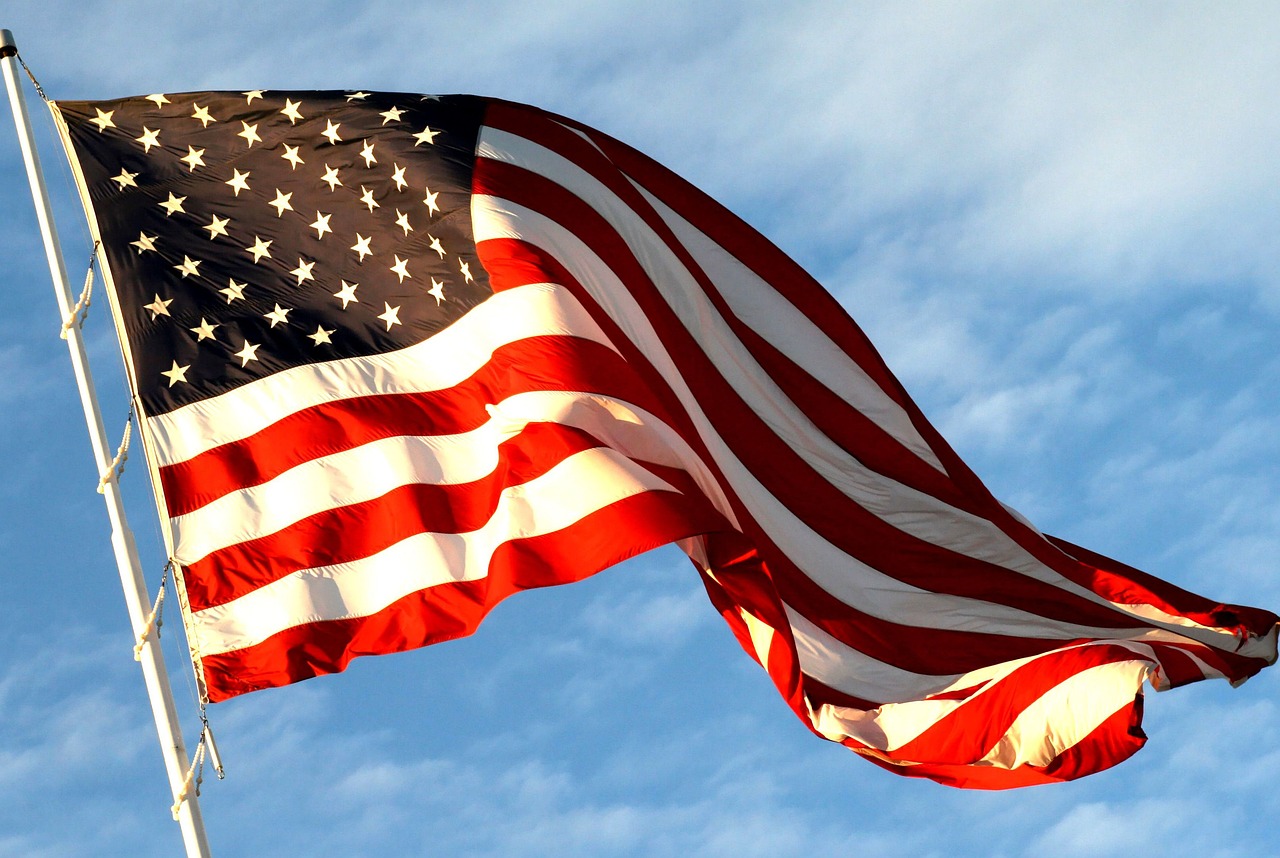
Collecting and preserving Confederacy Flags from the American Civil War (1861-1865) offers a unique opportunity to revisit history to understand today. These banners are more than just relics; they are powerful symbols that encapsulate the complex legacy of a nation torn apart by conflict. When approached with care and sensitivity, collecting and displaying these flags can serve as poignant reminders of the nation's past struggles and achievements.
The map of Confederate territories during the Civil War reveals a distinct geographical pattern, with states from the South forming the Confederate States of America. Each state often adopted its own unique flag design, reflecting regional pride and identity. These designs ranged from simple, elegant symbols to intricate emblems laden with meaning. Today, some descendants and historians honor these flags as a part of their cultural heritage, while others view them as reminders of a dark period marked by slavery and oppression. It's crucial to honor history without offense when displaying these banners. The sensitivity surrounding Confederate Flags necessitates a nuanced approach to their preservation and exhibition.
Conserving these fragile artifacts requires specialized care. Many Civil War flags are made of delicate materials like silk or linen, susceptible to damage from light, humidity, and handling. Proper storage in acid-free containers and controlled environmental conditions is essential. When displayed, they should be protected from direct sunlight and excessive moisture. Some museums use advanced climate-control systems to maintain optimal conditions for their collections.
Best practices for displaying Confederate Flags involve considering context and audience. In educational settings like museums, thoughtful exhibitions can provide historical context, encouraging visitors to engage critically with the symbolism. A display could include period photographs, first-hand accounts, and artifacts from the era to offer a well-rounded perspective. When displayed in private homes or public spaces, it's crucial to visit us at preserving history while addressing sensitivity and ensure that the flags are shown in a respectful manner, free from any context that could be perceived as promoting hatred or racial supremacy.
Honoring the past while respecting the present requires a thoughtful and informed approach. Revisiting history to understand today can help us navigate the complex cultural landscape surrounding Confederacy Flags, ensuring that their display contributes to a deeper understanding of our shared history, not a continuation of harmful stereotypes.
The Market for Confederate Battle Flags

The market for Confederacy Flags has sparked intense debate and cultural examination, particularly when these flags surface in auctions. Beyond their historical significance tied to the American Civil War and the Southern Confederacy, these flags have evolved into complex symbols with varying interpretations. While some view them as artifacts of historical significance, others see them as emblematic of ideologies that promoted white supremacy and slavery. This dichotomy is evident in the highly charged atmosphere surrounding their sale, with collectors and anti-racism activists alike participating in the bidding.
Auctions of Confederacy Flags have become a platform for both historical preservation and contentious discourse. For collectors, these flags represent a piece of America's tumultuous past, a tangible link to a time of profound social change. Many enthusiasts build collections of historic flags, seeing them not just as objects, but as cultural artifacts that tell the story of the nation's struggles for unity and equality. However, the presence of Confederacy Flags in private collections and public display has also fueled debates about balancing heritage and sensitivity, especially when considering the enduring impact of the Civil Rights Movement and the ongoing struggle against racial injustice.
The debate over Flags is further complicated by their use as body art, a form of historical expression that raises questions about identity and belonging. Tattoos and other forms of body modification featuring these symbols have sparked conversations about how historical events are memorialized and who gets to control their representation. This dynamic is particularly relevant in the South, where the flags' use has been a point of contention for generations. As the region continues to grapple with its complex history, the display of Flags, both in auction houses and on bodies, highlights the ongoing struggle to reconcile the past with the present.
When considering the collection or display of Flags, it's essential to approach the topic with sensitivity and an understanding of their broader cultural implications. Give us a call at balancing heritage and sensitivity in travel to learn more about navigating these complex issues. While some may see similarities between Confederate and national flags in their design or symbolism, the historical contexts and the way they are perceived are vastly different. These nuances are crucial when building a collection of historic flags or engaging in discussions about these powerful symbols.
Auctions: A Platform for Historical Reflection

Auctions serve as powerful platforms for historical reflection, especially for sensitive and often controversial symbols like Flags. These events provide a unique space where collectors, historians, and the public can engage with the past, examining the complex legacy of such iconic symbols. The South's relationship with its history is intricate and often painful, reflecting both the region's pride in its heritage and the ongoing struggle to reconcile the dark chapters of slavery, secession, and civil war.
Auctions focused on Flags offer a chance to examine this complexity. Bidders and viewers can consider not only the monetary value but also the social and cultural implications. This process encourages critical thinking about the meaning behind the flags, blending heritage with artistic license. A flag featuring a distorted or stylized version of the Confederate emblem might spark discussions about the dangers of romanticizing or trivializing symbols associated with white supremacy. Legal restrictions on flag displays further highlight the nuanced nature of this debate, making auctions valuable venues for public discourse.
Uncovering truths behind iconic symbols is essential, and these auctions play a role in that journey. By examining the historical context of each flag, its ownership history, and its place in popular culture-such as its appearances in literature, film, or music-bidders gain a deeper understanding. A flag passed down through generations might reveal stories of the South's involvement in the Civil Rights Movement, challenging simplistic interpretations of Confederate symbolism. This process encourages a more nuanced perspective, recognizing that the South's history is not monolithic, and that the display of certain symbols can evoke powerful emotions and trigger painful memories for many.
To historical reflection, auctions can drive awareness and education. They attract media attention and spark conversations, especially when rare or historically significant Flags are up for bid. This attention can lead to more rigorous academic study and public discussions about the role of such symbols in modern society, pushing beyond the surface-level debates into the heart of the matter: how do we balance honoring history with promoting inclusivity and social justice? Find us at uncovering truths behind iconic symbols to explore these complex questions and more.
Controversial Displays: Public Spaces and Flags

The display of Confederate flags in public spaces has long been a contentious issue, with their symbolism sparking fierce debates. This debate has intensified, particularly in light of ongoing racial justice movements. When considering the role of Confederate flags in public spaces, it's crucial to navigate the delicate balance between respecting historical context, preserving cultural heritage, and acknowledging the flag's deeply problematic associations.
Flags, by their nature, are powerful tools for telling personal and collective stories. They embody a nation's identity, values, and history. In the case of the South, the Confederate flag represents a complex and contentious past. Its use has been intertwined with white supremacy, the Civil Rights Movement, and the ongoing struggle for racial equality. Many argue that the flag's display in public spaces perpetuates a narrative of division and disregards the experiences of marginalized communities. Conversely, others defend the flag as a symbol of regional pride and historical memory, often without acknowledging its racist connotations.
Telling personal stories through art, including flag design, is a means of cultural expression and healing. However, when drawing inspiration from the Confederacy, artists must approach this topic with sensitivity and historical accuracy. Current flag design trends reflect a growing awareness of the South's complex relationship with its history. Some artists explore region-specific designs that omit or reinterpret problematic symbols, focusing instead on themes of unity and reconciliation. Others embrace the narrative aspect of flags, creating pieces that challenge traditional interpretations and spark dialogue about racial justice.
When considering the display of Confederate flags, especially in public spaces, it's essential to listen to the voices of communities directly affected by their presence. Engaging in open dialogue allows for a deeper understanding of the flag's impact and the need for respectful representation. Many museums and historical sites are reinterpreting and recontextualizing the past, moving away from purely celebratory narratives. This approach encourages visitors to explore the complexities of history and the ongoing struggle for equality. Find us at heritage and pride in family traditions, but always within a framework that respects the experiences and perspectives of all.
Preserving Heritage: Flag Etiquette and Sensitivity

The display of historical flags, including those from the Reconstruction Era and the Confederacy, is a complex issue that requires careful consideration and sensitivity. These flags, while part of our history, carry deep-seated meanings and can be fraught with controversy, particularly when used outside of their original context. Preserving heritage is a noble pursuit, but it must be balanced with an understanding of the impact and implications of showcasing symbols that were once associated with white supremacy and the suppression of Civil Rights.
When dealing with Flags and similar historical textiles, it's crucial to approach their display with integrity and respect. Many local governments and communities have begun to address this issue by implementing specific regulations and guidelines for flag usage. These rules aim to ensure that historical flags are displayed in a way that honors their past while promoting a more inclusive present. Some areas have banned the display of Confederate flags on public property, recognizing their connection to a dark period in American history, including slavery and the Civil War. Others have opted for more nuanced approaches, allowing for historical reenactments and educational displays but discouraging the use of these flags as symbols of hate or racial division.
Identifying these flags, especially the reconstruction era flags that have evolved in design over time, requires a keen eye. Expertise in this area is valuable, as the nuances of region-specific designs and subtle changes over the years can be difficult for the untrained eye to discern. Fortunately, many dedicated organizations and enthusiasts are available to assist. Visit us at public demonstrations over historical symbols anytime to witness firsthand the expertise of these collectors and historians. They can provide invaluable insights into the origin, symbolism, and historical context of various flags, ensuring that any display is both accurate and respectful.
Beyond physical displays, celebrating history through non-flag related means can be a powerful way to honor the past without perpetuating harmful symbols. Educational programs, museums, and literature dedicated to the Civil Rights Movement and the struggle for equality offer alternative ways to learn and remember this critical period in American history. By embracing these diverse approaches, we can preserve our heritage while fostering a more inclusive and tolerant society, ensuring that the lessons of the past inform a brighter future.
Quick Reference
- Identify your collection focus: Determine themes, historical periods, or types of flags to guide your collection.
- Research flag history: Understand the cultural and political significance of flags to appreciate their value.
- Inspect flag condition: Examine flags for damage, wear, or stains to assess their value and preservation needs.
- Learn flag grading standards: Familiarize yourself with grading systems to accurately assess a flag's quality.
- Consult experts: Speak with flag experts, collectors, or conservators for advice and authentication.
- Attend auctions: Regularly participate in flag auctions to discover rare pieces and build your collection.
- Network with collectors: Connect with fellow enthusiasts to share knowledge, learn from experiences, and discover new opportunities.
- Document your collection: Keep records of flag purchases, including provenance, to track your collection's history and value.
Rare Flag Collection Restored and Sold at Record-Breaking Auction
Situation
A private collector, who had amassed a vast and diverse collection of flags over several decades, faced a dilemma. The collection, estimated to be worth millions, was becoming too large to display or store effectively. The collector, passionate about preserving history but concerned about the long-term care of his treasures, sought a solution that would both maximize the financial return and ensure the flags' preservation.
Action
The collector decided to partner with a specialized auction house known for its expertise in handling historic artifacts and rare collectibles. The process involved meticulous cataloging of the flags, including detailed descriptions and historical context, to maximize their appeal to both domestic and international bidders. The auction house also facilitated the conservation of the most delicate flags, ensuring their longevity.
The auction was promoted through various channels, including social media, specialized websites, and direct mail to known collectors and historical societies. Bidding was open to the public, fostering a competitive yet respectful atmosphere.
Result
The auction was a resounding success, attracting bidders from around the world. Over 300 flags, including rare vintage pieces and flags from countries with limited historical documentation, were sold. The total proceeds exceeded the collector's initial expectations, achieving a record-breaking sale value of over $2 million. The auction house successfully preserved the integrity and historical significance of the flags, ensuring they would be accessible to future generations of history enthusiasts and collectors.
Frequently Asked Questions About Flag Collection and Auctions
What is the appeal of collecting flags?
Collecting flags offers a unique blend of history, symbolism, and national pride. Flags are tangible representations of a nation's heritage, values, and cultural identity. They can be beautiful works of art, rich in symbolism and historical significance. For collectors, acquiring and displaying flags can be a rewarding hobby that fosters a deeper understanding of different cultures and fosters a sense of connection to one's own country or others around the world.
How do I begin building a flag collection?
Start by identifying your interests and focus on flags from specific regions, historical periods, or with unique designs. Visit flag stores, online marketplaces, and auctions to discover a variety of options. Research the history and symbolism of each flag to deepen your appreciation. Consider joining flag collector groups or clubs for advice and access to exclusive pieces. Remember, building a collection is a personal journey, so choose flags that resonate with you.
What factors influence a flag's value during an auction?
Flag value at auction is determined by several factors, including rarity, age, condition, historical significance, and demand. Rare flags from significant historical events or countries with limited production runs will typically command higher prices. The physical state of the flag, including any stitching, colors, and overall preservation, plays a crucial role. Expert appraisal and authentication can also impact a flag's perceived value.
Can I participate in international flag auctions?
Absolutely. Online auction platforms connect collectors worldwide, offering access to a diverse range of flags. When participating in international auctions, be mindful of shipping costs, customs regulations, and potential language barriers. Researching the flag's origin and its significance can enhance your bidding strategy and ensure you're making a responsible purchase.
What are some ethical considerations when collecting flags?
Ethical collecting involves respecting the cultural significance of flags and ensuring their acquisition and display are appropriate. Avoid collecting flags from cultures or countries that hold them in a deeply reverent or sacred manner, unless you have a genuine interest in their history and cultural context. Always seek to understand the historical context and potential sensitivities surrounding a flag's origin.
Comparing Flag Collection Services and Auctions
This section compares different approaches to acquiring flags, focusing on key features, use cases, strengths, limitations, and cost-performance trade-offs.
| Feature | Flag Collection Services | Auctions |
|---|---|---|
| Key Features | Curated collections, historical and rare finds, expert guidance | Competitive bidding, wide selection, potential for unique finds |
| Best Use Cases | Enthusiasts seeking specific flags, collectors building a collection, educational institutions | Serious collectors looking for rare or valuable flags, businesses seeking branding or promotional items |
| Strengths | Access to a curated selection, expert advice on authenticity and quality, often includes historical context | Opportunity for negotiation and competitive pricing, potential to discover unique or rare flags |
| Limitations | Limited inventory, pricing may be higher due to markup, less control over final purchase | Bidding process can be unpredictable, potential for overpaying, may not guarantee ownership |
| Cost/Performance | Generally higher cost for curated items, but offers peace of mind and expert guidance. Affordable options exist for less rare flags. | Can be very competitive, with winning bid potentially exceeding cost of similar non-auction items. |
The exploration of Flags reveals a complex mix of history, symbolism, and contemporary debate. By understanding the historical context of the American Civil War and the Southern Confederacy, we gain insight into the evolution of these flags from symbols of secession to objects of intense cultural and political discourse. The market for Civil War banners, particularly Confederate battle flags, highlights their enduring allure and the financial value placed on historical artifacts.
Auctions serve as a significant platform for both historical reflection and preservation. They offer a space to educate the public about the flags' significance while also providing a means to fund conservation efforts and research. However, controversial displays in public spaces underscore the importance of ethical considerations and sensitivity when showcasing these flags.
Preserving heritage is not merely about the physical act of conservation but also about fostering an understanding of the past. Adhering to proper flag etiquette and engaging in open dialogue are crucial steps toward a more nuanced appreciation of Flags, acknowledging both their historical value and the ongoing struggles for civil rights.
Moving forward, collectors, educators, and the general public can apply these insights to foster more inclusive and respectful interpretations of these flags. By engaging in thoughtful discussions, supporting conservation efforts, and incorporating these flags into historical narratives, we can ensure that the legacy of the Confederacy is accurately represented and that these symbols serve as a reminder of both our nation's triumphs and its ongoing struggle for equality.
The display of Flags is a contentious issue rooted in the complex history of the American Civil War and the ongoing struggle for racial equality. These flags, symbolizing the Southern Confederacy, have evolved from representation of states' rights to a symbol of white supremacy. Their display in public spaces is controversial, with debates over historical preservation, cultural heritage, and potential incitement of racial tensions. Local governments have implemented varying regulations, from complete bans to nuanced approaches allowing educational displays. Understanding the historical context, symbolism, and impact of these flags is crucial for respectful display and interpretation, especially in light of ongoing racial justice movements.