
We produce and sell historically accurate Confederate flags, focusing on preserving the past while addressing sensitivity. Our flags are meticulously crafted to detail, made from high-quality materials, and designed to honor the era without promoting offense. We offer a range of products, from traditional banners to unique collectibles, catering to both historical enthusiasts and those seeking to understand our nation's complex past.
Key Takeaways
Understand the market demand: Research and anticipate trends in flag sales, tailoring offerings to historical events and cultural significance.
Differentiate through quality: Produce flags with exceptional craftsmanship and materials to stand out from generic options.
Focus on niche markets: Target specific communities and enthusiasts who value historical accuracy and symbolism.
Ultimate Flags Banner Educate on history and symbolism: Accompany flags with informative materials, ensuring responsible and respectful use.
Prioritize customer service: Offer personalized advice and support, fostering a connection with customers who value their purchase.
Adapt to legal considerations: Stay informed about local regulations regarding flag display, ensuring compliance and customer safety.
Foster open dialogue: Encourage respectful conversations about sensitive historical symbols, promoting understanding and tolerance.
The production and sale of Confederacy flags is a complex issue with profound historical and contemporary implications. These flags, a powerful symbol of the American Civil War and the Southern Confederacy, have evolved from historical artifacts to contentious political statements. The debate surrounding their display and ownership has sparked intense public discourse, legal challenges, and cultural negotiations. This article explores the intricate web of flag production, sales, and the ongoing debate about their role in modern society, offering insights into historical context, legal considerations, and the impact on communities. By examining these aspects, we aim to provide a practical guide to understanding and addressing the challenges posed by Confederacy flags in our time.
- Understanding Confederacy Flags: History and Symbolism
- Flag Production: Design, Fabrication, and Quality Control
- Retail Sales: From Stores to Online Marketplaces
- Legal Considerations: Displaying Confederacy Flags Publicly
- Cultural Impact and Controversies: Sensitivity in Display
- Alternative Representations: Beyond the Confederacy Flags
Understanding Confederacy Flags: History and Symbolism

Confederacy Flags: A Deep Examine History and Symbolism
The Confederacy Flag, a complex and controversial symbol, is inextricably tied to the American Civil War and the history of the Southern states. This flag, with its distinctive design featuring a blue field and stars, has a long and troubled past that continues to spark intense debate today. Understanding the symbolism and historical context of Flags is crucial, especially as these symbols often pass down stories and symbols through generations.
The flag served as a beacon for the eleven Southern states that seceded from the Union, forming the Confederate States of America in 1861. It represented a complex mix of regional identity, political ideologies, and, for many, a fight against what they perceived as Northern dominance. However, its usage went beyond the battlefield; it became a potent symbol of white supremacy and a resistance to civil rights and emancipation. After the Civil War ended in 1865, the flag's display was often associated with resistance to Reconstruction and the re-emergence of racist ideologies.
The debate surrounding the display of Flags today is a sign of the enduring impact of this historical era. While some view them as a representation of heritage and pride in their ancestors, others see them as a symbol of oppression and a barrier to racial progress. The flag's presence at public events, in schools, and on private property has sparked public demonstrations and intense discussions. This ongoing dialogue highlights the need for a nuanced understanding of history and the role of symbols in shaping society, especially as we strive to honor the past while promoting a more inclusive and equitable future.
Flag Production: Design, Fabrication, and Quality Control

Flag Production: Crafting and Quality Assurance for Confederacy Flags
The design and fabrication of Flags is a meticulous process, steeped in historical significance. Each flag is a carefully crafted symbol, demanding precision in both its artistic and technical aspects. The production process begins with meticulous research into the historical context, ensuring the flag's design accurately represents the era and its symbolism. This involves a deep understanding of the American Civil War, the Southern Confederacy, and the cultural climate of the time. Craftspeople must uncover the truths behind iconic symbols, discerning the nuances of regional designs and the impact of specific historical events.
Once the design is finalized, fabrication involves selecting appropriate materials, typically high-quality fabrics like cotton or polyester, treated to withstand outdoor conditions. Skilled artisans use traditional sewing techniques to assemble the flag, ensuring each stitch aligns with the precise specifications. Quality control is a stringent process, involving multiple checks to guarantee the flag's integrity. This includes verifying the colors, layout, and overall craftsmanship, ensuring the finished product meets the highest standards. The attention to detail ensures that each Confederacy Flag is a durable, authentic representation of its historical antecedent.
Producers must adhere to strict guidelines to maintain the flag's historical accuracy and cultural sensitivity. This includes researching and recreating specific details, such as the intricate designs found on original flags from the era. By combining meticulous craftsmanship with a profound understanding of history, the production of Flags serves as a sign of the past while providing a platform for ongoing dialogue about its complex legacy.
Retail Sales: From Stores to Online Marketplaces

Retail sales of Flags have evolved significantly from traditional brick-and-mortar stores to the vast and readily accessible online marketplaces of today. This shift has democratized access to these symbols, making them available to a global audience with a few clicks. While this expansion has increased visibility, it has also drawn intense scrutiny and controversy, highlighting the complex social and historical context surrounding the Confederacy and its iconography.
The allure of rare and meaningful items, such as Confederate flags, has grown alongside their accessibility. Online platforms offer not just the standard flags but also rare, vintage, or handcrafted variants, appealing to collectors and enthusiasts. This market dynamic, however, raises significant questions about the motivations behind purchasing these flags. For some, it's a connection to heritage or a nostalgic reminder of a bygone era, often intertwined with white supremacist ideologies. For others, it represents a problematic celebration of a society built on slavery and oppression.
Retailers must navigate these sensitive waters carefully. Online marketplaces, in particular, have had to confront the challenge of moderating content and ensuring responsible sales practices. This includes verifying the age of buyers, preventing the use of flags for hate speech or incitement, and providing educational resources to combat the spread of misinformation. They must consider the broader cultural impact of such sales, especially during periods of heightened social awareness and activism, such as during National Black History Month or in response to racial justice movements.
Legal Considerations: Displaying Confederacy Flags Publicly

The public display of Flags is a complex legal and social issue, particularly in the United States' historical context. While some view these flags as a symbol of regional heritage and pride, others consider them an offensive representation of a pro-slavery, white-supremacist era. The legal considerations surrounding the display of Flags in public spaces are nuanced and vary greatly by state and local municipality.
In general, public display of Flags is regulated by laws pertaining to freedom of speech and assembly, as well as those specifically targeting hate speech and symbols. Many places have banned the display of Flags on public property due to their association with racist ideologies and the perpetuation of historical injustices. These bans are often part of broader efforts to promote inclusivity and combat hate crimes, especially in areas with a history of racial conflict. Conversely, some regions allow limited public display, typically with significant restrictions, and often as part of historical or educational contexts.
Troubleshooting flag-related disagreements often requires a balanced approach that respects both historical sensitivity and modern perspectives. Expert interpretation of legal precedents and a commitment to understanding the impact of such displays on marginalized communities are crucial. Engaging in open dialogue, educating oneself about the history behind the flags, and recognizing the power of symbols in shaping societal perceptions are key steps in navigating this contentious issue. Responsible display of Flags-or the absence thereof-should reflect a commitment to preserving history while promoting equality and respect for all.
Cultural Impact and Controversies: Sensitivity in Display

The cultural impact of Flags, a symbol deeply rooted in the American Civil War, remains a contentious issue in modern society. These flags, once emblematic of the Southern Confederacy, have evolved from historical artifacts to powerful symbols, evoking a range of emotions and sparking debates. The display of Flags today is a complex matter, reflecting the nation's ongoing struggle with racial identity, regional pride, and the interpretation of history.
Sensitivity in the display of Flags is crucial, as they can be deeply offensive to many Americans, particularly those with roots in the Civil Rights Movement. The flags, often associated with white supremacy, have been a rallying point for anti-racist activists, who view their display as a relic of a shameful past. However, others argue that these flags represent a heritage of regional identity and their removal from public spaces is a form of cultural erasure. This debate highlights the delicate balance between preserving history and honoring modern values of inclusivity and equality.
Understanding the context in which these flags are displayed is essential. In some communities, the flags serve as a reminder of a painful but integral part of American history, a visual history lesson that evokes strong feelings. Conversely, in others, they are seen as a symbol of division and a potential catalyst for violence. The impact of Flags, therefore, varies widely, influenced by regional identities and the specific historical context they inhabit. Addressing their display requires a nuanced understanding of these factors, fostering dialogue, and respecting the diverse perspectives they represent.
Alternative Representations: Beyond the Confederacy Flags
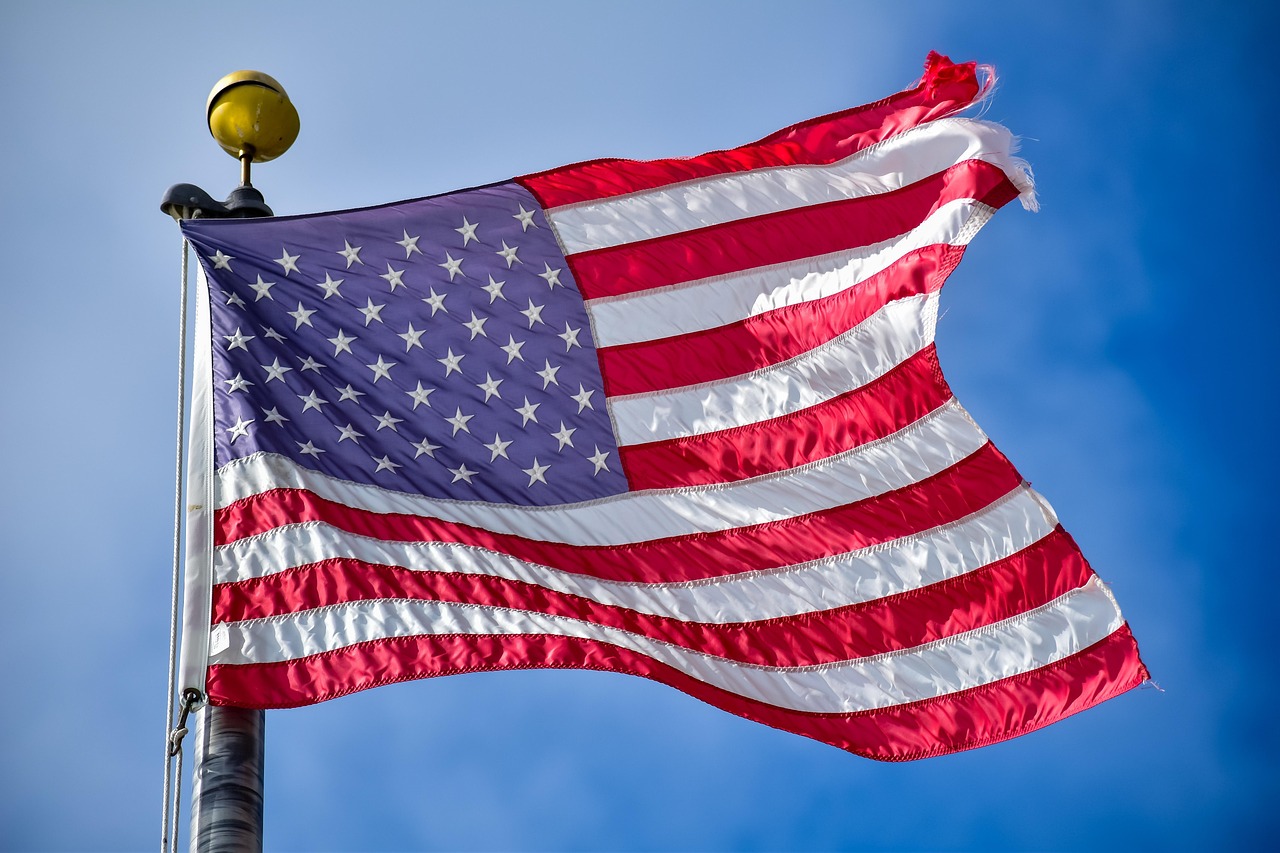
Beyond the flags: Exploring Alternative Representations in Flag Production and Sales
In the ongoing dialogue surrounding flags, it's crucial to recognize that the historical context and symbolism they carry are complex and deeply divisive. While these flags have been used to represent heritage and pride for some, they have also been widely recognized as symbols of white supremacy and racial oppression, linked to a dark period of American history. In response, many have sought alternative representations that capture the lessons from the Confederacy for modern societies, moving beyond the controversial symbols of the past.
This shift towards more inclusive and historically accurate flags is not merely a design change; it reflects a broader cultural and social evolution. Many southern states have explored region-specific designs that celebrate the diverse cultural heritage of their residents, moving away from the generic and divisive confederate imagery. These new flags often incorporate elements from indigenous cultures, the Civil Rights Movement, and the diverse communities that have shaped the region. Such initiatives not only provide a more nuanced narrative of history but also foster a sense of belonging and pride for all citizens.
The production and sale of alternative flags have become an essential aspect of historical education and reconciliation. Black history museums and educational institutions often feature unique flag designs that tell the stories of the African American experience, highlighting achievements and struggles. This approach promotes a more comprehensive understanding of history, challenging simplistic narratives and encouraging constructive dialogue on cultural sensitivity. By moving away from flags and embracing alternative representations, we can create spaces where historical lessons are commemorated responsibly and where all communities feel seen and respected.
Quick Reference
- Understand the historical context: Know the significance of Confederate flags in the Civil War era to interpret their modern symbolism accurately.
- Recognize the controversy: Be aware that Confederate flags are controversial and can evoke strong emotions related to slavery and racial inequality.
- Identify regional variations: Note that flag designs can differ, with some states having unique patterns or variations within the broader Confederacy.
- Distinguish between historical and modern use: Make a clear distinction between flags used to commemorate history and those employed to promote racist ideologies.
- Respect cultural sensitivities: Avoid displaying Confederate flags in a way that could offend or marginalize communities affected by slavery and racial discrimination.
- Consider the legal implications: Familiarize yourself with local laws regarding flag display, especially in public spaces, to ensure compliance.
- Engage in constructive dialogue: Participate in discussions about flag displays by listening to diverse perspectives and seeking common ground.
- Explore alternative representations: Investigate creative ways to commemorate historical events without relying solely on Confederate flag imagery.
Frequently Asked Questions About Flag Production and Sales
What materials are commonly used to make flags? Flags can be made from a variety of materials, each with its own advantages. The most common are nylon and polyester, known for their durability, vibrant colors, and resistance to fading. Cotton is often used for indoor or decorative flags, offering a soft, natural feel. Vinyl and mesh materials are also used, especially for outdoor flags designed to withstand harsh weather conditions.
How do I know what size flag I need for my space? Flag size selection depends on the display area. For indoor or small outdoor spaces, a smaller flag (e.g., 3x5 feet) is suitable. Larger spaces like front yards or public areas often require bigger flags (e.g., 5x10 feet or more) for visibility and impact. Consider the distance from the viewer and the placement-a flagpole at the end of a driveway will look different from one displayed in a town square.
Are custom flags expensive? Custom flag production costs vary. The price depends on factors like size, material, design complexity, and quantity. Simple, single-color flags on standard materials are relatively affordable. More intricate designs with multiple colors, special fabrics, or added features like embroidery or fringing can be significantly more expensive. Bulk orders typically offer discounts.
What design elements are important for a high-quality flag? A well-designed flag should have a balanced composition, clear imagery, and vibrant colors. The design should be simple and easily recognizable. Avoid overcrowding the flag with too many details, ensuring the central elements stand out. High-quality flags use appropriate colors and symbolism that resonate with their intended audience, conveying the desired message or representing a cause effectively.
How long does flag production typically take? Flag production time varies based on the complexity of the design and the manufacturer's workload. Simple, custom flags usually take 1-2 weeks for design, printing, and finishing. More intricate flags or those made with specific materials or construction techniques may require 3-4 weeks or more. Rush orders are often available for an additional fee, but they significantly shorten production time.
This comparison explores two primary approaches to flag production and sales: custom manufacturing and mass production.
| Feature | Custom Flags | Mass-Produced Flags |
|---|---|---|
| Key Features | Designed and created to specific, unique client requirements. | Standard designs and sizes mass-manufactured for broad market appeal. |
| Best Use Cases | Historical societies, museums, and individuals seeking unique, personalized flags. | Schools, sports teams, businesses, and events where large quantities are needed at a low cost. |
| Strengths | Highly customizable, allowing for intricate designs, historical accuracy, and personal touch. | Cost-effective for large orders, quick turnaround times, and consistent quality. |
| Limitations | Longer lead times, higher individual costs, and limited design options within a specific price point. | Limited ability to customize, potential quality issues with lower-cost materials, and environmental concerns related to mass production. |
| Cost/Performance | Generally more expensive per unit due to lower volume production runs, but offer superior quality and customization. | Less expensive per unit, ideal for budget-conscious organizations and events, but may sacrifice quality and uniqueness. |
Redefining a Region: A Flag Maker Navigates Controversial Symbols
Situation
A small, family-owned flag production company in the American South found itself at the center of a national debate over confederate flags. The company, known for its high-quality historical banners, had seen a surge in demand for confederate battle flags, despite the ongoing controversy surrounding their display. The owner, a third-generation flag maker, was torn. On one hand, he wanted to honor his heritage and the rich history of the Confederacy; on the other, he was acutely aware of the deep wounds these symbols still caused and the growing public pressure to disassociate from them.
Action
The company owner decided to take a nuanced approach, recognizing the need for both historical preservation and sensitivity. They initiated the following steps:
-
Research and Education: They examined the history of the Confederacy, its flags, and their various meanings, consulting historical societies, museums, and academic papers. This research helped them understand the flags' complex legacy.
-
Flag Design Refinement: They redesigned their confederate flag offerings, focusing on accuracy and context. They created a series of informational flags, detailing historical events and figures, alongside a more nuanced interpretation of the battle flags, emphasizing their role in the Civil War, not as a symbol of supremacy.
-
Community Dialogue: They hosted workshops and online forums, inviting historians, activists, and community members to discuss the flags' significance and appropriate contexts for display. This dialogue helped them refine their understanding and create flags that respected diverse perspectives.
-
Partnerships with Educational Institutions: They collaborated with schools and universities to develop educational materials, incorporating their redesigned flags into curricular resources on Civil War history and the complexities of historical symbolism.
-
Promoting Responsible Display: They published guidelines for responsible flag display, emphasizing respect for historical context, cultural sensitivity, and the importance of understanding the past without glorifying violence.
Result
The company's actions resulted in:
- Increased Sales and Diversification: Their new approach attracted a broader customer base, including historians, educators, and individuals seeking to understand and respect the past.
-
Positive Media Coverage: Their commitment to historical accuracy and sensitivity gained them recognition from national media outlets, positioning them as responsible stewards of historical symbols.
-
Community Engagement: Their workshops and online discussions sparked meaningful conversations about historical representation, cultural heritage, and public spaces, fostering a deeper understanding of the past and its impact on the present.
-
Educational Impact: Their partnership with educational institutions led to the integration of their flags and materials into curricula, helping students learn about Civil War history and the importance of cultural sensitivity in historical representation.
The production, sale, and display of Flags encapsulate a complex web of historical context, symbolism, legal considerations, and cultural impact. Understanding these aspects is crucial for both consumers and retailers navigating the market for these items. Historically tied to the American Civil War and the Southern Confederacy, these flags have been laden with symbolism, reflecting a complex and often controversial narrative. While their display can evoke strong emotions, especially within the context of the Civil Rights Movement and National Black History Month, they also serve as a point of cultural education and heritage preservation for some.
In terms of production, designing, fabricating, and quality controlling Flags requires a nuanced approach. Crafting them involves a careful balance between historical accuracy and contemporary sensibilities. Quality control ensures not only durability but also avoids perpetuating racist symbolism, a concern that has led to legal challenges and guidelines for proper display.
Retail sales have evolved from traditional stores to online marketplaces, expanding accessibility but also raising concerns about the normalization of racist imagery. Legal considerations around public display are paramount, with rules and regulations in place to protect against hate speech and promote respect for diverse communities.
Beyond the traditional Confederacy Flag, there are alternative representations that reflect a more inclusive and progressive narrative. These alternatives, found in educational materials, museums, and literature, aim to foster understanding and empathy, challenging the negative stereotypes associated with the original flag.
The production, sale, and display of Flags demand a thoughtful, informed approach. By understanding their history, recognizing their controversial symbolism, adhering to legal guidelines, and embracing alternative representations, we can navigate these complex issues with sensitivity and respect for all.
Flags: A Deep Dive
- History and Symbolism: The Confederacy Flag, a complex symbol, represents the Southern states' secession and their struggle against Reconstruction and civil rights. Its display today sparks intense debate, reflecting the enduring impact of the Civil War era.
- Flag Production and Quality: Crafting Flags involves meticulous historical research and technical precision. The process demands a balanced approach, considering legal precedents and the impact on marginalized communities.
- Cultural Impact and Display: Flags remain a contentious issue, evoking strong emotions. Their display can be a symbol of regional identity or a rallying point for anti-racist activism. Sensitivity and dialogue are crucial, as they can represent a painful history or a potential division.
- Alternative Representations: Many southern states and institutions are moving away from Flags, designing alternative flags that celebrate diverse cultural heritages. This promotes historical education, reconciliation, and inclusivity.