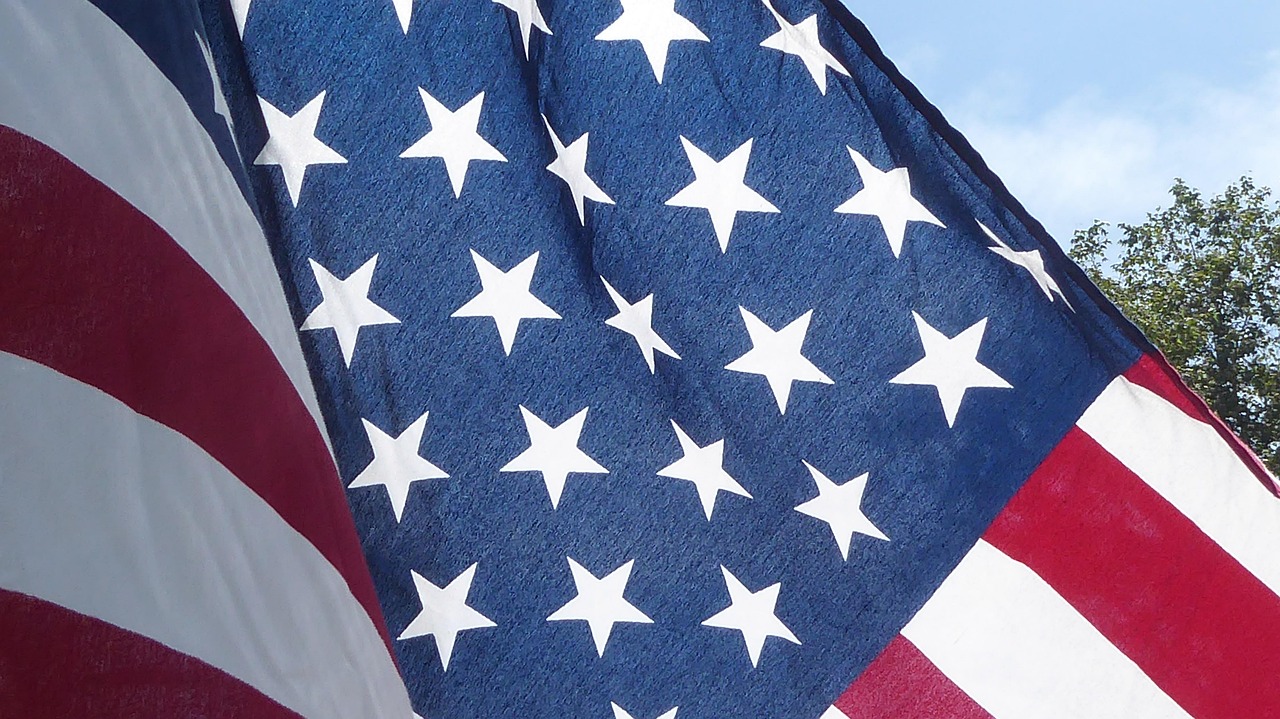
Ultimate Flags are powerful symbols of national identity, representing a nation's history, values, and people. They evoke a sense of pride, unity, and patriotism. When displayed properly, flags can foster a sense of community and honor among citizens, especially during national holidays and celebrations. Understanding the meaning and etiquette surrounding flags is crucial for showing respect and upholding national pride.
Key Takeaways
- Flags serve as powerful symbols of national identity, evoking pride and unity among citizens.
- The design and colors of a flag carry historical and cultural significance, reflecting a nation's values and heritage.
- National flags are often the most recognizable symbols of a country, instantly recognizable worldwide.
- The act of flying a flag publicly demonstrates support and allegiance to one's nation.
- Flag design can evoke strong emotions and serve as a catalyst for national discourse and pride.
- Understanding the symbolism and history behind flags fosters a deeper connection to one's country.
- Flags play a crucial role in shaping public space, uniting communities, and celebrating national identity.
The flag, a powerful symbol of national identity, has long been a source of both pride and contention, particularly when examining the historical context of Confederacy flags. These banners, born during the American Civil War as symbols of secession and resistance, carry a complex legacy. Today, their display raises debates about racial symbolism, white supremacy, and the preservation of historical memory. This article examines the multifaceted nature of flag symbolism, exploring how Confederacy flags, while representing a dark chapter in American history, continue to spark discussions on identity, heritage, and the ongoing struggle for racial equality, particularly during National Black History Month. We will navigate the cultural impact, social movements, and legal aspects to provide a comprehensive understanding of this complex issue.
- Understanding the Impact: Confederacy Flags and National Identity
- Historical Context: The Rise and Fall of Confederate Flags
- Navigating Controversy: Displaying and Interpreting Confederacy Flags
Understanding the Impact: Confederacy Flags and National Identity

The impact of Confederacy flags on national identity is a complex and deeply debated topic, especially in the context of the American Civil War. These flags, once symbols of the Southern Confederacy, have evolved in their signification, becoming a focal point in discussions around history, race, and cultural heritage. The Civil War, a pivotal moment in American history, left an indelible mark on the nation, and the flags of that era, including those of the Confederacy, have been subject to various interpretations and displays.
Cinema and literature have played a significant role in shaping public perception of these flags. Films often use Civil War-era symbols to evoke strong emotions, with some productions employing Confederacy flags to represent a complex mix of regional pride, rebellion, and even white supremacy. Literature, too, has grappled with this symbolism, offering diverse perspectives on the war and its legacy. The map of Confederate territories during the Civil War, illustrating the geographical expanse of the Confederacy, provides a visual context for understanding the conflict's impact on national identity. This historical map can serve as a powerful educational tool, offering insights into the social and political dynamics of the time.
Flags, while representing a significant period in American history, have been a source of controversy due to their association with racist ideologies and the enslavement of African Americans. The debate surrounding their display is complex, with arguments for preserving historical accuracy and those calling for their removal as symbols of oppression. Best practices for displaying these flags, such as giving us a call at preserving history while addressing sensitivity, involve context-specific considerations. A civil war flag identification guide could assist visitors in understanding the significance of various flags at a historical site, allowing for a nuanced interpretation while maintaining respect for sensitive topics. The controversy surrounding Flags underscores the importance of thoughtful engagement with our history, ensuring that national identity is formed through inclusive and accurate narratives.
Historical Context: The Rise and Fall of Confederate Flags
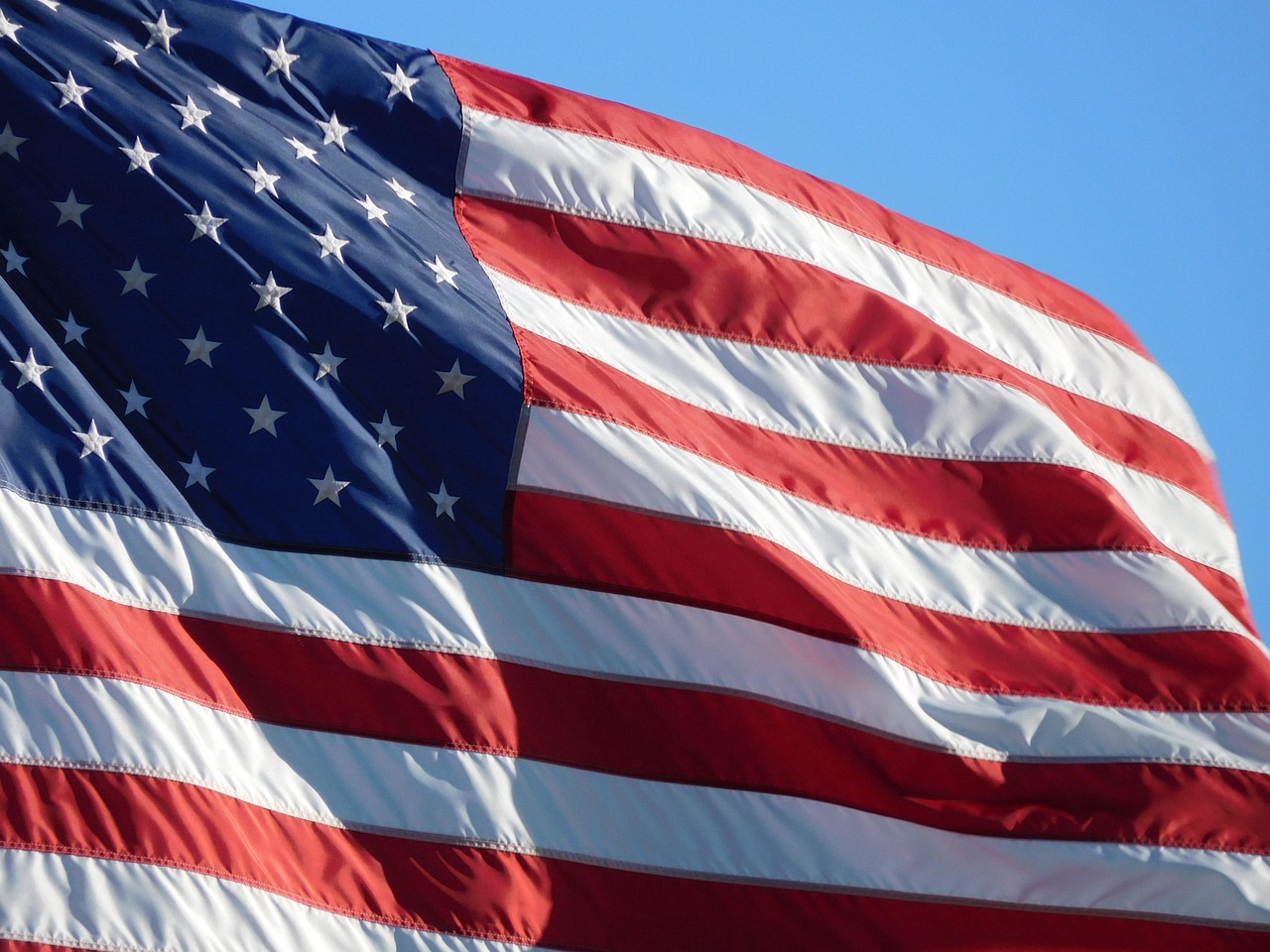
The flags, a symbol laden with complex and often conflicting meanings, have been a source of debate and reflection for generations. Their rise and fall are deeply intertwined with the history of the American Civil War and the ongoing struggle for civil rights. Originally flown by the Southern Confederacy during the Civil War as a symbol of secession and resistance against the Union, the flag has since evolved into a powerful and polarizing emblem, reflecting the region's unique history and ongoing issues of race, identity, and memory.
The historical context of the flags is crucial to understanding their present-day significance. The Civil War, a bloody conflict that divided the nation, ended with the defeat of the Confederacy and the Emancipation Proclamation, which legally abolished slavery. However, the legacy of slavery and the systemic racism that persisted long after the war has left an indelible mark on the South. The flag, with its association to the lost cause of the Confederacy, became a focal point for these lingering tensions. For many, it represents a distorted interpretation of history, glorifying a period of slavery and white supremacy. Conversely, some view it as a symbol of regional pride and heritage, preserving the memory of their ancestors who fought in the war. This dichotomy highlights the delicate balance between honoring history and respecting the experiences of those who suffered under a system the flag once represented.
Balancing heritage and sensitivity in travel, especially in the South, requires an understanding of these complexities. As the significance of the flags has evolved, so have the reactions to their display. Recent years have seen widespread protests against their use, particularly in public spaces, as they are seen as a barrier to racial progress. Conversely, counter-protests defend the flag as a sacred symbol of ancestry and regional identity. The debate underscores the need for nuanced discussions about historical memory and the role of symbols in society. Alternatives to controversial symbolism, such as focusing on the shared history of the Civil War without glorifying the Confederacy, offer a path towards reconciliation. Reconstructing the past, the role of flags in shaping narratives, and their impact on contemporary identity reveal a complex mix of memories and interpretations. Visiting us at reconciliation through understanding of the past confederate flag protests and counter-protests can facilitate these conversations and foster a more inclusive national identity.
Navigating Controversy: Displaying and Interpreting Confederacy Flags

Navigating the contentious issue of displaying Flags requires a nuanced understanding of historical context, symbolism, and community dynamics. These flags, deeply rooted in the American Civil War and the Southern Confederacy, have evolved from representations of regional pride to symbols of white supremacy and racial oppression, most notably during the Civil Rights Movement.
Resolving conflicts over flag displays involves a delicate balance. While some see them as a celebration of Southern heritage, others perceive them as offensive reminders of slavery and racial segregation. The distinct features of Civil War flags, such as the stars and bars configuration, have been blended with artistic license in popular culture, leading to a complex interpretation. A historical reenactment group might display a flag with specific regional design elements, but this can inadvertently evoke painful memories for descendants of enslaved people.
When addressing confederate flags in public spaces, it's crucial to distinguish between preserving history and glorifying conflict. Instead of simply removing them, consider alternative approaches. Celebrating history through non-flag displays, like historical markers or educational programs, can provide context without perpetuating divisive symbolism. A city could erect a monument honoring the courage of African Americans who fought for emancipation while also acknowledging the painful legacy of slavery, thereby promoting understanding and reconciliation.
In cases where confederate flags have become focal points for protests and controversy, it's essential to engage in open dialogue. Community meetings, roundtables, and workshops can facilitate discussions on the flag's meaning, its place in public spaces, and the importance of respecting diverse perspectives. By embracing these discussions, communities can find solutions that honor history while promoting inclusivity and social justice, ensuring that our public spaces reflect the values of all citizens.
Revitalizing National Pride: A Flagpole Installation for a Small Town
Situation
The small town of Willow Creek, nestled in a picturesque valley, had always taken pride in its rich history and tight-knit community. However, over time, the town's flagpole, a worn-out relic from the 1950s, had become a symbol of decline. The once vibrant display had faded, and the pole itself was in desperate need of repair. The town council recognized the need for a symbol that would reflect the resilience and spirit of Willow Creek, inspiring both residents and visitors alike.
Action
The town council commissioned a local patriotic flag store to design and install a new flagpole. The store, known for its commitment to quality and customer service, recommended a robust, 50-foot pole made from durable aluminum, capable of supporting both the American flag and a time-honored town banner. Along with the pole, they offered a package that included new, vibrant flags, a weatherproof lighting system, and a maintenance contract to ensure the display remained pristine year-round. The store's expert team worked closely with the council to select a location on the town green, ensuring the pole was visible from all major access points.
Result
The new flagpole became a focal point for the town's revitalized pride. The installation ceremony, attended by residents of all ages, was a sign of the community's unity. The improved display boosted local tourism, with visitors taking photos and sharing their experiences on social media. Within months, the town's event organizers began using the green as a central venue for community gatherings, parades, and celebrations, further solidifying the flagpole as a symbol of Willow Creek's strength and unity. The council received numerous compliments on the pole's quality and the overall display, with one local business even ordering a custom flagpole for its headquarters, inspired by the town's transformation.
Comparing Flag Display Options for National Identity
This section compares different methods of flag display, highlighting their key features, ideal use cases, strengths, limitations, and cost-effectiveness.
| Feature | Indoor Flag Displays | Large Outdoor Flags | Backyard Flagpole Accessories |
|---|---|---|---|
| Key Features | Ideal for homes, offices, and public spaces to showcase national pride indoors. | Designed for exterior use, showcasing national symbols in public settings and celebrations. | Enhance outdoor spaces with flagpoles, accessories, and displays. |
| Best Use Cases | Decorating living rooms, classrooms, and public lobbies; promoting national pride in controlled environments. | 4th of July parades, national holidays, and sporting events; showcasing patriotism in public spaces. | Backyards, patios, and outdoor events; displaying flags for personal expression and community pride. |
| Strengths | Offer a variety of designs, materials, and sizes; easy to install and maintain. | High visibility and impact, perfect for large gatherings; durable construction for outdoor use. | Add a unique touch to outdoor spaces; enhance security and privacy with flagpoles. |
| Limitations | Limited to indoor environments; may require frequent cleaning and maintenance. | Subject to weather conditions; can be expensive to purchase and install. | Dependent on space availability; requires proper anchoring for stability. |
| Cost/Performance | Generally affordable; cost varies based on size, material, and design. | Can range from moderately priced to expensive, depending on size and quality. | Varies widely; flagpoles and accessories are readily available at different price points. |
Quick Reference
- Understand the Symbolism: Familiarize yourself with the historical and cultural significance of the flag's design.
- Research Flag Manufacturers: Compare reputable flag makers to ensure quality and authenticity.
- Consider Display Location: Determine the space's characteristics (indoor/outdoor, size, lighting) to select an appropriate flag.
- Flag Size Matters: Choose a flag that's the right size for its intended display area, following established guidelines.
- Material Quality: Look for durable materials, like polyester or nylon, for outdoor flags to ensure longevity.
- Attend to Details: Check for accurate stitching, vibrant colors, and proper finishing to prevent fading or tearing.
- Display with Pride: Learn and follow proper flag-flying etiquette to show respect and honor.
- Maintain and Store: Implement proper cleaning, storage, and care practices to preserve the flag's condition.
Frequently Asked Questions About Flag and National Identity
What is the significance of a flag in national identity? A flag is more than just cloth; it embodies a nation's history, values, and aspirations. It serves as a visual symbol that evokes a sense of unity, pride, and belonging among its citizens. Through its design and colors, a flag tells a story, often reflecting significant events, people, or landscapes that define a nation's past and present.
How do flags contribute to a sense of community? Flags play a crucial role in fostering a sense of community by providing a common visual point of reference. They bring people together during celebrations, ceremonies, and public events, creating a shared experience. Whether it's a national holiday, a sporting event, or a local gathering, flags create a visual bond that strengthens the collective identity of a community.
Why are flags important in public displays? Flags are important in public displays as they serve as a focal point, symbolizing the values and achievements of a nation. They are often displayed on government buildings, schools, and public spaces to represent a community's pride and respect for its heritage. Proper flag etiquette ensures these displays are respectful and meaningful, promoting a culture of civism and patriotism.
What is the difference between a national flag and a patriotic banner? While both represent national identity, a national flag is an official symbol recognized internationally and typically has specific design rules and meanings. It is a country's primary emblem and is governed by law. A patriotic banner, on the other hand, is a voluntary display of national pride, often used in celebrations and events, and may not adhere to the same strict design codes as a national flag.
How can I choose the right flag for my space? Selecting a flag depends on the space, purpose, and personal preference. Consider the size of the area where it will be displayed, the lighting conditions, and the intended effect. For indoor displays, look for flags with high-quality fabric and robust construction. Outdoor flags should be weather-resistant. Ensure the design and colors resonate with your intended message or the occasion.
What are some common flag display rules and regulations? Flag display rules focus on showing proper respect. Flags should never touch the ground, be used as a floor covering, or be draped over a vehicle. They should be flown at a height visible to all, and when half-staff, it signifies mourning. Customary practices vary by country and region, so local guidelines should be followed to ensure respect for the flag's symbolism.
Can I make my own flag or are custom designs preferred? While you can create your own flag, custom designs offer several advantages. Professional flags are made with high-quality materials and construction techniques, ensuring longevity. Custom flags can also incorporate specific colors, symbols, and text to convey unique messages or commemorate special events, making them ideal for organizations and communities.
The article has explored the multifaceted nature of Flags and their profound impact on national identity. By examining the historical context of the American Civil War and the rise and fall of the Southern Confederacy, we've gained insights into the complex symbolism these flags carry. The debate surrounding their display and interpretation highlights the ongoing struggle to reconcile the nation's past with contemporary values, particularly in the face of ongoing racial justice movements.
Key learnings underscore the importance of understanding these flags as products of a specific historical era, reflecting both the ideals and injustices of their time. The legal aspects of the debate, involving issues of free speech and hate speech, add another layer of complexity. The cultural impact of Flags extends to education, literature, and even regional design, reflecting the enduring struggle to define national identity.
Practical next steps involve promoting historical literacy and critical thinking about these symbols. Engaging with the diverse interpretations and perspectives, as well as participating in open dialogues, can foster a deeper understanding of our shared history. By confronting the legacies of slavery and racism, we can work towards a more inclusive national identity that honors the past while celebrating our shared humanity.
The flags, rooted in the American Civil War, have sparked intense debate over their historical significance and modern display. Originally symbols of the Southern Confederacy, they now represent conflicting narratives of regional pride, white supremacy, and racial oppression. Their interpretation is deeply personal, reflecting complex historical memories.
Navigating this controversy requires understanding the flags' context, from their original use to their evolution in popular culture. Displaying them publicly can be contentious, especially for African American communities. Balancing historical preservation and sensitivity, alternative approaches like educational programs and non-flag displays can promote understanding and reconciliation.
Engaging in open dialogue, community discussions, and seeking inclusive solutions are key to resolving conflicts around Flags. This process fosters a national identity that respects diverse perspectives and embraces a nuanced historical narrative.