
Key Takeaways
- Confederate flags evoke strong emotions and have become complex symbols with varied meanings.
- Understanding historical context is crucial for interpreting their significance and avoiding insensitive displays.
- Public spaces and government entities face legal considerations when deciding on flag displays.
- The debate surrounding confederate flags involves a mix of cultural heritage, racism, and historical revisionism.
- Respecting diverse perspectives and engaging in constructive dialogue are essential for reconciliation.
- Alternatives to confederate flags can include celebrating historical figures and events beyond regional identifiers.
- Education and open discussions can help communities navigate the sensitive topic of confederate symbolism.
The modern debate around confederate flags centers on their historical symbolism and whether they should be displayed. These flags represent a complex era marked by slavery and secession, sparking controversy due to their association with the Confederacy's defense of slavery and its violent struggle against the Union. Balancing historical remembrance and sensitivity is crucial in their use and public display.
The modern debate surrounding Confederacy flags has become a contentious issue, reflecting deeper cultural and historical divisions within American society. These flags, once symbols of the Southern Confederacy during the American Civil War, have evolved into powerful cultural artifacts with complex and often conflicting meanings. Today, their display raises questions about regional identity, historical memory, and the ongoing struggle for racial equality. This article examines the multifaceted nature of Confederacy flags, exploring their historical context, the ethical dilemmas they present, and potential solutions for navigating this challenging contemporary issue. By examining these flags through a nuanced lens, we can gain a deeper understanding of our shared past and work towards a more inclusive future.
- Understanding Confederacy Flags: Historical Context
- Modern Debate: Offense vs. Tribute
- Legal Considerations and Public Spaces
- Symbolism in Popular Culture and Art
- Reconciling Past and Present: Alternatives and Lessons
Understanding Confederacy Flags: Historical Context
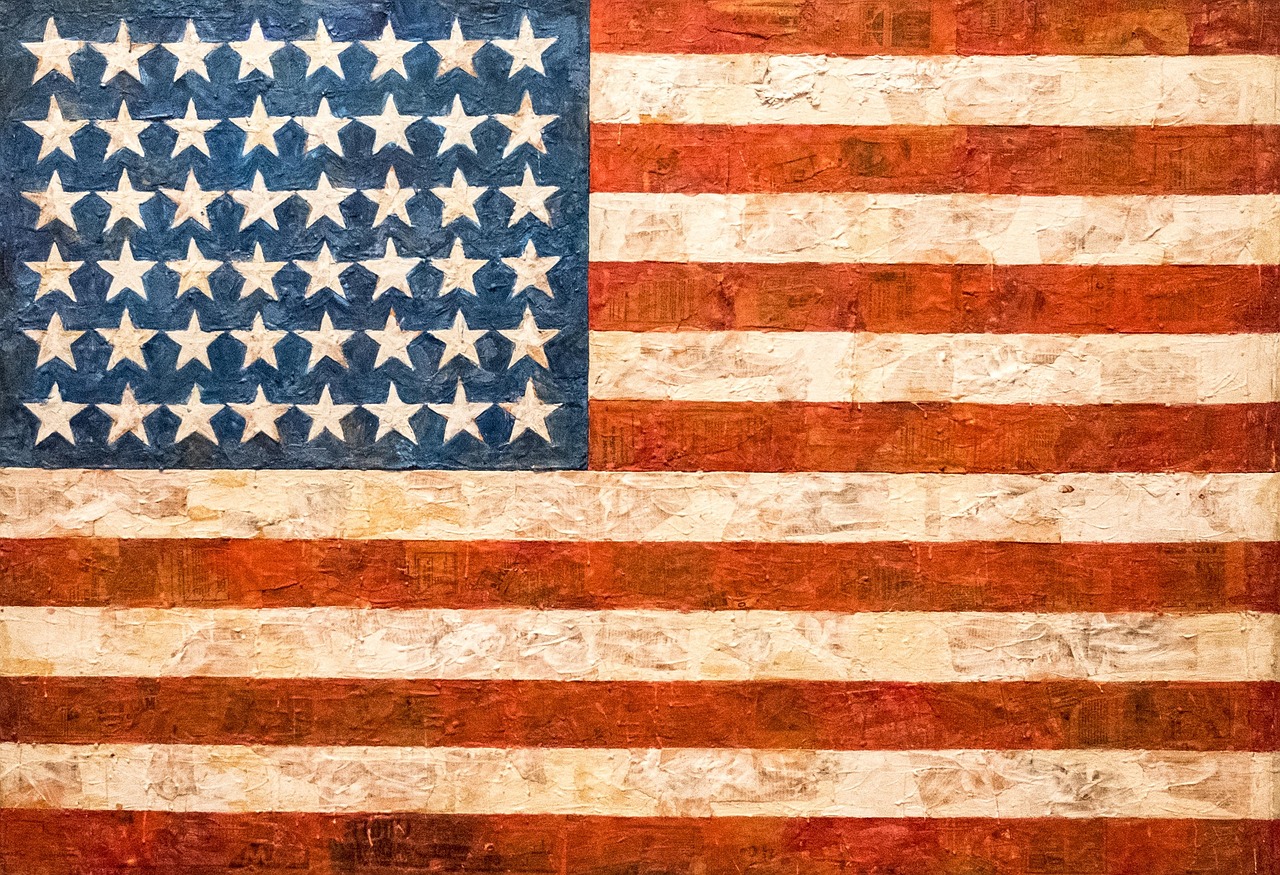
The Confederacy Flags, a symbol deeply rooted in American history, evoke a complex array of emotions and interpretations. To understand their modern debate and use, we must examine the historical context of the American Civil War and the Southern Confederacy. The Civil War, fought from 1861 to 1865, was a pivotal moment in American history, pitting the North against the South over issues of slavery, states' rights, and economic disparity. The Confederacy, a collection of eleven southern states that seceded from the Union, adopted the Confederate Flag as its emblem. This flag, with its distinct design and symbolism, has since become a contentious symbol, sparking passionate debates.
Uncovering the truths behind iconic symbols like the Confederacy Flag requires a nuanced perspective. While some view it as a representation of Southern heritage and pride, others see it as a symbol of slavery, white supremacy, and racial oppression. The flag's design includes elements that were prevalent during the Confederacy's era, such as the "St. Andrew's Cross" and the use of red, white, and blue. These elements have been interpreted in various ways, with some arguing that they symbolize the cause for which the South fought-preserving slavery and states' rights-while others see them as a stark reminder of a dark period in American history.
The impact of Confederacy Flags extends beyond historical interpretation. Tourism matters in the modern debate. Many sites associated with the Civil War and the Confederacy attract visitors interested in exploring this complex history. However, the display of Confederate Flags in these areas has sparked controversy. Some argue that the flags serve as a reminder of a difficult past, while others see them as a barrier to healing and reconciliation. This tension highlights the delicate balance between preserving history and promoting sensitivity, especially in public spaces where diverse communities gather.
Modern Debate: Offense vs. Tribute

The modern debate surrounding Confederacy flags is a complex interplay of offense and tribute, reflecting a society's struggle to uncover the truths behind iconic symbols. While some view these flags as a tribute to Southern heritage and a commemoration of ancestors, others perceive them primarily as symbols of white supremacy and racial oppression, deeply linked to a dark period in American history. This dichotomy intensifies the controversy, particularly in public spaces and educational institutions.
At the heart of the debate is the question: can displaying Confederacy flags be considered a form of historical preservation or does it perpetuate harmful stereotypes and promote racial inequality? Proponents argue that these flags represent a culture and a region's history, even as they acknowledge the Confederacy's role in defending slavery. They see the flags as a way to honor ancestors who fought for what they believed in, regardless of the moral implications. Conversely, opponents argue that the flags are a lingering reminder of a society that denied basic human rights to millions, and their display is an insult to the descendants of enslaved people and a barrier to racial progress.
Comparing the perspectives reveals a fundamental difference in how history is interpreted and respected. Uncovering the complexities behind iconic symbols is crucial in fostering understanding. A flag's design can tell a story of regional identity, political beliefs, or social unrest. However, when these symbols are used to promote racial superiority or deny past injustices, they become tools of division rather than historical artifacts. The challenge lies in finding a balance between honoring history and ensuring that past mistakes are not repeated, especially in public spaces where diverse communities interact.
Legal Considerations and Public Spaces

The display of Confederacy flags in public spaces is a contentious issue with significant legal ramifications. While the right to free speech allows for the expression of historical perspectives, the context and intent behind flag displays are crucial. Many communities have adopted local laws and regulations to address the sensitive nature of Confederacy-related symbols, especially in public institutions and government buildings. These measures aim to prevent the perpetuation of racist ideologies and ensure a safe, inclusive environment for all citizens.
When considering the legal display of Flags, several factors come into play. Historical context is essential; flags from the American Civil War era must be interpreted within the framework of slavery, secession, and the struggle for emancipation. The significance of civil war motifs in tattoos, for instance, reconstructs the past, but their modern use must be examined critically. The intent behind the display is paramount; flags used for educational purposes in museums or historical sites can be seen as part of a broader narrative, while displays in public spaces often raise eyebrows.
Public spaces serve as a reflection of a community's values and identity, making the debate over Flags particularly acute. Balancing historical preservation with cultural sensitivity is a delicate task. Some advocate for removing Confederate symbolism entirely, arguing that it perpetuates a harmful narrative of white supremacy. Others propose contextually informed displays that acknowledge the past's complexity. This ongoing dialogue underscores the need for a nuanced understanding of historical symbolism and its impact on contemporary society.
Symbolism in Popular Culture and Art

The flags have left an indelible mark on popular culture and artistic expression, often serving as a powerful symbol with complex interpretations. In contemporary art, these flags frequently appear as a means of preserving personal connections to the historical era, a sign of the enduring impact of the American Civil War. Artists use them to explore themes of heritage, identity, and the ongoing struggle for racial equality. Contemporary artists of African descent have adopted and subverted Confederate symbolism in their works, turning these flags into a powerful tool for articulating their experiences and challenging dominant narratives.
The debate surrounding the use of these symbols in popular culture is intense. While some view them as a celebration of Southern heritage and a nod to ancestors who fought for their beliefs, others see them as a stark reminder of white supremacy and a symbol of oppression. This dichotomy highlights the need for nuanced discussions and a deeper understanding of history. Alternatives to using Confederate Flags as direct artistic representations include incorporating subtle references to the era, using abstract motifs, or focusing on more inclusive symbolism that celebrates the diversity and progress of modern society. By moving beyond the literal display of these flags, artists can create meaningful works that engage with the past while avoiding potential offense.
The role of media and storytelling in this context cannot be overlooked. Cinematic and literary portrayals of the Reconstruction era, for example, often grapple with the aftermath of slavery and the complex issues of race and identity. These narratives can either perpetuate or challenge stereotypes, shaping public perceptions of this historical period. As the nation continues to grapple with racial injustice, a responsible and thoughtful approach to using Confederate symbolism, or its absence, in art and media is essential. It requires a delicate balance between honoring historical truths and fostering an inclusive, respectful society.
Reconciling Past and Present: Alternatives and Lessons

Reconciling Past and Present: Alternatives and Lessons
The Confederacy, its flags, and symbols are inextricably tied to the nation's history, particularly the American Civil War and the struggle for emancipation. However, their display in modern times remains a contentious issue, reflecting the ongoing struggle to reconcile the nation's past with its present. Today, the debate extends beyond historical interpretation to include questions of sensitivity, cultural appropriation, and the role of symbols in shaping societal narratives.
While some argue that displaying Flags is a celebration of Southern heritage and regional pride, others see them as remnants of a racist and oppressive society. The flag's association with white supremacy and segregation, highlighted by its use during the Jim Crow era, makes it a deeply offensive symbol for many, particularly within the Black community. This dichotomy underscores the need for a nuanced approach that respects historical context while addressing contemporary sensitivities.
An important lesson from the Confederacy's history is the value of reconciliation. The Civil Rights Movement, for example, sought to address the legacies of slavery and segregation through legal and social reforms. Similarly, today's discussions about Flags can be seen as a continuation of this struggle, focusing on how best to commemorate history without perpetuating harm. Alternatives to the traditional flag displays include educational exhibits, historical markers, and cultural events that highlight the experiences of all Americans during this tumultuous period. By examining the past through a lens of sensitivity and inclusivity, we can foster a deeper understanding of our shared history and work towards a more just and equitable future.
Frequently Asked Questions About Modern Debate and Use
What is the historical context of confederate flags? The Confederate flag, officially known as the "Confederate States of America" flag, was the flag of the Confederate States during the American Civil War (1861-1865). It represented the eleven Southern states that seceded from the Union, and their efforts to preserve slavery and states' rights. Today, the flag's historical significance is deeply complex, with some seeing it as a symbol of Southern pride and heritage, while others view it primarily through the lens of slavery and racial oppression.
Why do confederate flags cause controversy today? The confederate flag continues to be a source of controversy due to its association with the nation's history of slavery and racial segregation. Many people, particularly within the African American community, see the flag as a symbol of oppression and a reminder of a time when Black people were treated as property. This historical context fuels ongoing debates about its place in public spaces and popular culture, leading to protests and counter-protests.
How should confederate flags be displayed, if at all? The display of confederate flags is a highly sensitive issue. Many argue that they should be reserved for historical museums or private collections, where their context can be explained and people can learn about the Civil War's complex legacy. In public spaces, their presence can evoke painful memories and perpetuate harmful stereotypes. Local laws and guidelines often govern the display of confederate flags to ensure respect for diverse perspectives.
What are the legal considerations for displaying confederate flags? The legality of displaying confederate flags varies by location. In some areas, there are specific laws against flying or displaying confederate flags in public, while others have no restrictions. It's crucial to understand local ordinances and respect private property rights when considering flag display. Civil rights organizations often advocate for laws that prevent the display of confederate symbols on government property.
Do confederate flags have any modern symbolism or meaning? In contemporary culture, confederate flags are often used by individuals or groups to express a range of messages, sometimes unrelated to their historical context. They may be employed as symbols of white supremacy, racial identity, or even as fashion statements. However, these uses are widely condemned due to the flag's racist history. Many see any modern use as a deliberate attempt to revive harmful ideologies.
How do confederate flags impact regional identity and tourism? The confederate flag's association with the South is complex. While some embrace it as a part of regional heritage, others view it as a barrier to reconciliation and a distraction from the region's more positive attributes. In tourism, the flag's presence can be a point of contention, with some visitors seeking out its historical significance and others feeling uncomfortable with its display. Balancing historical appreciation with sensitivity is crucial for the tourism industry.
Quick Reference
- Identify the historical context: Understand the Confederate flag's origins and its role in the Civil War era.
- Distinguish between symbols: Learn to differentiate between the Confederate flag and Union flag to avoid confusion.
- Consider cultural significance: Respect regional and cultural connections to the flag, but recognize potential controversies.
- Understand legal restrictions: Familiarize yourself with local laws and regulations regarding flag displays.
- Engage in constructive dialogue: Foster open conversations about the flag's meaning and its place in modern society.
- Promote education and awareness: Encourage historical education to help people understand the flag's complex history.
- Seek alternative representations: Explore non-flag displays to commemorate historical events and figures.
- Respect personal connections: Acknowledge family traditions and heritage, but be prepared for differing viewpoints.
Navigating Community Tension: Removing a Controversial Confederate Flag from a Public Park
Situation
A small town in the American South was grappling with the presence of a large, decades-old Confederate flag flown atop a park flagpole. The flag was a source of continuous controversy, sparking heated debates among residents. While some saw it as a tribute to history and regional identity, others found it deeply offensive, symbolizing a legacy of slavery and racial inequality. The town council was tasked with finding a solution that respected historical context but also fostered a sense of inclusivity and harmony within the community.
Action
The town council organized a series of public meetings to gather input from residents. These meetings were facilitated to ensure a safe and respectful space for dialogue. Participants were encouraged to share their personal experiences, historical perspectives, and potential solutions. The council also sought input from local historians, cultural experts, and community leaders to gain a well-rounded understanding of the flag's significance and potential impact of its removal.
Based on the feedback received, the council decided to remove the flag and replace it with a more inclusive and representative symbol. They contracted a local artist to design a new flag that incorporated elements from the region's diverse cultural heritage, such as traditional crafts, landscapes, and natural resources. The new flag was introduced during a community celebration, emphasizing the town's commitment to unity and respect for all its residents.
Result
The removal of the Confederate flag was met with largely positive reception. Community members appreciated the council's efforts to address the sensitive issue and create a more welcoming environment for everyone. The new flag became a symbol of pride for the town, fostering a sense of belonging and shared history.
Following the change, the town experienced a notable decrease in public demonstrations related to the flag. The successful resolution also attracted positive media attention, positioning the town as a model for constructive dialogue and reconciliation regarding historical symbols.
Comparing Different Approaches to Addressing Confederate Flag Display
This section compares several ways to consider and approach the modern debate surrounding the display of confederate flags, examining their key features, best use cases, strengths, limitations, and cost/performance.
| Feature | Confederate Flag Proponents | Confederate Flag Opponents | Flag Removal Advocacy | Educational Use |
|---|---|---|---|---|
| Key Features | Emphasize historical connection, regional pride, and freedom of speech. | Highlight ongoing hurt and racism associated with the flag, cultural appropriation, and potential for violence. | Advocate for removing flags from public spaces, focusing on reconciliation, understanding, and sensitivity. | Utilize the flag as a tool to educate about history, slavery, and civil rights struggles. |
| Best Use Cases | Displaying in private homes, museums, or historic sites to preserve history and heritage. | Flying at historical events or memorials dedicated to the Confederacy. | Public spaces, government buildings, and schools removing flags to foster inclusivity. | Schools, museums, and historical societies using the flag in exhibits or educational materials. |
| Strengths | Promotes open dialogue about history and regional identity. Allows individuals to connect to their heritage. | Successfully draws attention to racial injustice and past injustices associated with the Confederacy. | Encourages public dialogue about sensitivity, respect, and reconciliation. | Offers an objective historical perspective and promotes understanding of complex issues. |
| Limitations | Can be seen as a symbol of white supremacy and racial division. May trivialize the suffering of enslaved people. | May spark controversy and even violence, particularly in areas with a strong historical connection to the Confederacy. | Can be perceived as erasing history or silencing voices of descendants of enslaved people. | May be seen as insensitive if used without proper context and interpretation. |
| Cost/Performance | Generally low cost, as flags are readily available and inexpensive. | Varies; legal battles and protests can incur significant costs, but removal generally costs less. | Moderate to high, depending on the size and location of removal efforts, as well as legal battles. | Can be free (in educational materials) or require significant investment (in exhibits and programming). |
Flags, a powerful symbol laden with complex meanings, continue to spark heated debates in modern society. From historical interpretation to legal considerations, their presence in public spaces, and influence on popular culture, this article has explored the multifaceted nature of these flags. We've examined the American Civil War's context, understanding their role as symbols of both regional identity and white supremacy. The legal landscape surrounding their display has evolved, with public spaces and local governments grappling with the balance between historical preservation and cultural sensitivity.
The modern debate revolves around whether these flags represent a tribute to heritage or an offensive reminder of a racist past. As society addresses systemic racism and strives for equality, the display of confederate flags has become a flashpoint. This has led to calls for removing them from public spaces, along with efforts to preserve them as historical artifacts.
In popular culture and art, confederate motifs appear in various forms, from cinema and literature to contemporary art. This raises questions about artistic license, cultural appropriation, and the fine line between tribute and insult. The article also highlighted the role of institutions, like museums, in navigating these sensitive issues, suggesting alternatives to controversial symbolism and emphasizing the importance of celebrating history beyond regional identifiers.
Understanding the past is crucial to reconciling the present and shaping a more inclusive future. By examining the lessons from the Confederacy, we can address contemporary issues and work towards a society that values and respects all its citizens.
The flags, a symbol of the American Civil War (1861-1865), represent complex historical and contemporary issues. The Civil War divided the North and South over slavery, states' rights, and economic disparities, leading to the formation of the Confederate States of America. Today, the flags evoke strong emotions, sparking debates about their display, meaning, and place in modern society. Understanding the historical context and ongoing discussions is crucial for navigating the sensitive use of Flags, aiming to foster reconciliation, respect, and a more equitable future.