
Key Takeaways
- Online Ultimate Flags sales have seen a surge, driven by a mix of historical interest, cultural expression, and political debate.
- The market for Confederate flags, while controversial, reflects a complex interplay of regional pride, historical memory, and social commentary.
- E-commerce platforms offer both official and replica flags, catering to a diverse customer base with varying intentions.
- Transparent identification and clear historical context are crucial for online retailers to responsibly sell flags, especially sensitive ones.
- Public discourse and legal considerations play a significant role in shaping the online flag market, with local laws and social norms influencing sales.
- The digital space allows for diverse perspectives and discussions around flag symbolism, demanding nuanced approaches to display and interpretation.
- As the market evolves, ethical considerations and historical sensitivity remain paramount for businesses selling flags online.
Online Flag Sales and Markets offer a diverse array of flags, including those from historical periods like the Confederacy. These markets cater to customers seeking to display flags for various reasons-historical interest, cultural heritage, or political statements. However, they must also navigate the sensitive nature of Confederate flags, addressing both historical accuracy and modern perceptions of offense and respect.
The online market for Confederacy flags has seen a surge in demand, reflecting a complex interplay of historical interest, cultural controversy, and political debate. These flags, deeply rooted in the American Civil War and the legacy of the Southern Confederacy, serve as potent symbols. While some view them as a tribute to heritage and regional identity, others see them as a lingering representation of white supremacy and racial oppression. This article examines the multifaceted world of online flag sales, exploring the historical context, legal considerations, and societal impact of the Confederacy flags. We offer insights into market trends, cultural interpretations, and best practices for responsible display, aiming to provide a practical guide for both consumers and suppliers navigating this sensitive topic.
- Understanding the Confederacy Flags Market Online
- Historical Context: The Rise and Fall of the Flags
- Online Sales: Market Dynamics and Trends
- Symbolism and Controversy: Legal Considerations
- Public Perception: Displaying Confederacy Flags Digitally
- Future of Flag Sales: Digital Platforms and Heritage Preservation
Understanding the Confederacy Flags Market Online
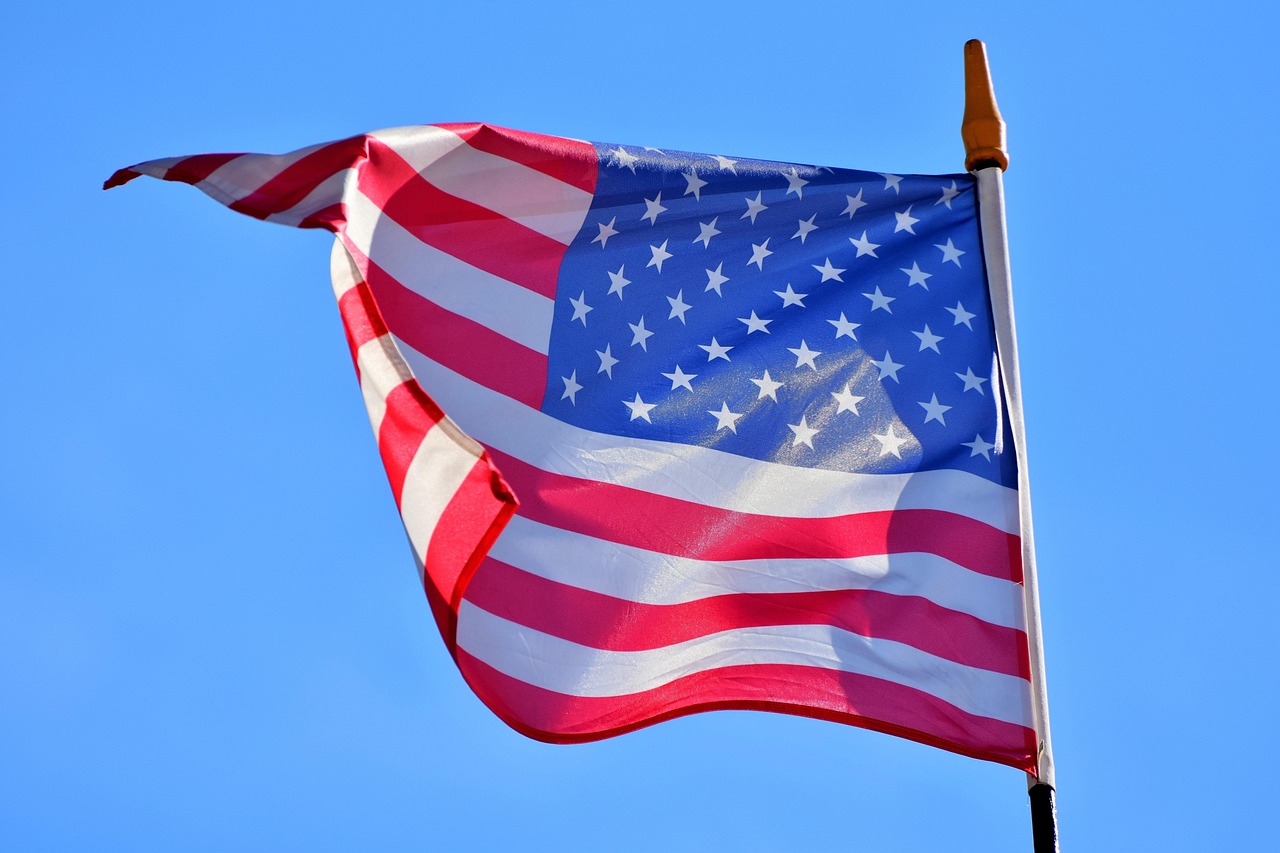
The online market for Confederacy flags has emerged as a complex and contentious space, reflecting the ongoing struggle with regional identity and civil war reminders. While some view these flags as symbols of historical pride and heritage, others see them as representations of white supremacy and a rejection of progress made during the Civil Rights Movement. This dynamic is particularly evident in the digital realm, where sales platforms can facilitate both the preservation of cultural narratives and their misinterpretation.
Online retailers often cater to a niche market, offering a variety of regional designs that evoke specific memories and associations. Flags featuring Confederate battle symbols can be found alongside those with more subtle nods to the South's historical identity, such as state-specific motifs or historical events. This diversity presents a challenge in terms of consumer education, as buyers must navigate the nuanced meanings and potential controversies associated with these flags. A flag with a seemingly innocuous design may be a trigger for those who have experienced the legacies of slavery and systemic racism.
The accessibility and reach of online platforms can exacerbate the issue of cultural appropriation. Out-of-context usage and the lack of historical understanding among some buyers can result in the misappropriation of symbols that hold significant meaning for African Americans and their allies. This is further complicated by the fact that many online sellers do not provide context or historical insights alongside their products, leaving consumers to interpret the flags' significance independently. To address these issues, consumers and sellers alike must engage in constructive dialogue, seeking to understand the past and its impact on the present. This process can lead to more responsible online flag sales and a deeper appreciation for the complexity surrounding regional identity and civil war reminders.
Historical Context: The Rise and Fall of the Flags

The history of Confederacy flags is deeply intertwined with the American Civil War and its aftermath. These flags, once symbols of a fractured nation and a lost cause, have seen their meaning and representation evolve dramatically over time. During the war, the Confederate States of America adopted the "Battle Flag" - often referred to as the "Rebel Flag" - as a symbol of their resistance against the Union. This flag, featuring a blue field with white stars and a red border, became a powerful emblem for the Confederacy. Today, its use is a contentious issue, with many Americans viewing it as a vestige of slavery and white supremacy, while others see it as a nod to regional heritage and the sacrifices made by Confederate soldiers.
Post-war, the flag's significance shifted. As the nation moved towards Reconstruction and the Civil Rights Movement, the Confederacy's symbol was increasingly associated with resistance to racial equality and the denial of African American rights. This interpretation was further cemented in the mid-20th century, when the flag was adopted by white supremacist groups seeking to assert their power and promote racial segregation. The flag's association with these movements has led to widespread calls for its removal from public spaces and government buildings.
In recent decades, a new trend has emerged: the modern interpretation of civil war symbols. Some scholars, artists, and cultural institutions have begun to explore the nuanced history behind the Confederacy flags, seeking to understand them as artifacts of a complex historical period rather than simple symbols of hate. This re-examination is evident in contemporary art, literature, and film, where the flags are used not to glorify the Confederacy but to critique its legacy and spark conversations about race, identity, and national reconciliation. Many artists incorporate civil war motifs into their work to examine the ongoing impact of slavery and the struggle for racial justice.
Despite these shifts in interpretation, the debate over Confederacy flags rages on, reflecting the nation's ongoing struggle to come to terms with its past. As these flags continue to be sold online and displayed publicly, their historical context and significance remain a topic of heated discussion. Understanding the complex history of these flags is crucial for navigating the modern controversies surrounding them and for fostering a more inclusive national narrative.
Online Sales: Market Dynamics and Trends
The online market for Flags has experienced significant dynamics and trends in recent years. While debates continue over the appropriateness of displaying these flags, especially in public spaces, the digital realm offers a unique perspective on their market value and cultural significance. Online sales platforms have become crucibles for both passionate collectors and those seeking to assert or challenge historical interpretations.
A key trend is the increasing global accessibility of Confederate Flag merchandise. The internet has democratized the market, allowing individuals and businesses from around the world to participate in the trade. This has led to a more diverse customer base, with buyers not only from historically relevant regions but also from countries where the flag's symbolism evokes varying degrees of curiosity, fascination, or controversy. The online market also facilitates the sale of rare and antique flags, driving up their value for collectors and historical enthusiasts.
The value of Flags, a term that can encompass a range of designs and interpretations, is a point of contention. While some view them as historical artifacts or symbols of regional pride, others consider them racist relics perpetuating a shameful past. This debate plays out in the online marketplace, where listings often include detailed descriptions that attempt to reconcile these differing perspectives. Some sellers frame the flags as pieces of history, emphasizing their role in the American Civil War and the subsequent Reconstruction era. Others focus on their cultural significance, highlighting regional pride and the preservation of heritage. Still, others strive to remain neutral, presenting the flags as collectibles or artifacts, acknowledging their controversial nature but avoiding judgment.
Notably, the online market has also given rise to discussions about the ethics of selling Confederate Flags. As the debate over their display in public spaces intensifies, questions about the responsibility of sellers and the potential impact on communities emerge. This has led to more transparent practices, with some sellers providing detailed information about the flags' origins, historical context, and any legal considerations. This transparency is a response to the growing demand for responsible consumption and a more nuanced understanding of historical symbols in contemporary society.
Symbolism and Controversy: Legal Considerations

The market for online Confederacy flag sales has sparked intense debate due to the flag's rich, yet contentious, symbolism. While some view it as a piece of historical memorabilia, others perceive it as a stark reminder of a nation built on slavery and white supremacy. This dichotomy highlights the delicate balance between preserving history and respecting the experiences of marginalized communities.
Legal considerations surrounding the display and sale of Flags are complex and vary significantly from place to place. In the United States, for instance, local governments and institutions grapple with whether to ban or restrict flag displays, particularly in public spaces. This decision often hinges on sensitivity in civil war memorabilia and the potential for inflaming racial tensions. Some states have outlawed the display of the flag on government property, while others allow it under certain conditions, with strict guidelines on where and how it can be used.
The debate extends to the online market, where vendors must navigate legal restrictions on flag usage. Platforms like Etsy and eBay have faced scrutiny for allowing the sale of Confederate flags, leading to policy changes that limit or ban such listings. These moves reflect a broader societal push for sensitivity in historical representation, especially for artifacts that can be perceived as promoting or glorifying racial oppression. The challenge lies in striking a balance between free speech and preventing the misuse of historical symbols, ensuring that the past is acknowledged without perpetuating harm.
Public Perception: Displaying Confederacy Flags Digitally

The public perception of displaying Flags digitally has evolved alongside the modern internet's role in shaping public discourse. Online platforms offer a space for historical enthusiasts to share and sell Confederate flags, reaching a global audience. However, this accessibility has also fueled ongoing debates about the appropriateness of such displays, especially as digital imagery can sometimes lack the nuanced context that physical artifacts carry.
The digital market for Confederate flags operates within a complex legal and social landscape. While some users see them as symbols of historical pride and heritage, others find them offensive, reminding them of a period marked by slavery and white supremacy. This divide has been exacerbated by the rise of social media, where images of Confederate flags can be easily shared and interpreted in various contexts. A map of Confederate territories during the American Civil War can accompany a flag sale, offering a historical perspective but also inadvertently glorifying a bygone era of racial inequality.
The debate surrounding digital Confederate flags mirrors broader discussions about cultural appropriation and the preservation of history. Some argue that removing or obscuring these symbols online contributes to erasing the painful memories associated with them. Others advocate for responsible digital representation, suggesting that context and education can mitigate potential harm. This ongoing dialogue underscores the need for a nuanced understanding of historical symbolism in the digital age, where the line between heritage and hurt remains fine.
Future of Flag Sales: Digital Platforms and Heritage Preservation

The digital age has significantly transformed the market for flags, providing both opportunities and challenges for heritage preservation. Online platforms offer a global reach for flag sales, making it easier for collectors, enthusiasts, and those seeking to understand history to access a diverse range of items. This accessibility, however, has sparked debates about the appropriateness of certain flags, particularly those associated with the Southern Confederacy. As digital marketplaces grow, the future of confederacy flag sales lies in striking a balance between facilitating access to historical artifacts and ensuring that these symbols are displayed responsibly and respectfully.
One promising avenue is the integration of digital platforms with educational initiatives. Online retailers can partner with museums, historical societies, and educational institutions to offer comprehensive content alongside flags. This approach can provide valuable context, encouraging customers to engage critically with the symbolism and history of these flags. A customer purchasing a historical flag could access an interactive digital exhibit detailing the social and political context of the American Civil War. This blend of tangible and digital experiences can foster a deeper understanding of the Confederacy's complex legacy, moving beyond mere display to promote cultural awareness and sensitivity.
The rise of e-commerce opens up opportunities for authenticating and curating flags. Digital platforms can implement rigorous vetting processes to ensure the historical accuracy and provenance of the items on sale. By verifying the authenticity of flags, these platforms can combat the market in counterfeit or inappropriate memorabilia. Using blockchain technology to track flag ownership could contribute to responsible heritage preservation. This technology could enable future researchers and historians to trace the movement and context of these flags, providing valuable insights into their use and impact over time.
Finally, the digital realm offers a space for exploring alternative expressions of historical memory. Body art, as a form of historical expression, can serve as a non-flag medium to commemorate the past. Tattoos featuring civil war motifs, for instance, allow individuals to connect with the era in personal, intimate ways, telling their unique stories and memories. This alternative approach respects the sensitivity surrounding flags while still enabling individuals to honor historical events and figures.
Navigating Controversial Flag Sales: A Case Study in Online Market Regulation
Situation
A growing online marketplace, FlagHub, encountered a significant challenge: the sale of Confederate flags. While the site aimed to be an open platform for flag enthusiasts, the Confederate flag's historical significance and ongoing controversial nature sparked debates. Customers expressed both strong support and vehement opposition to its presence on the site, leading to a toxic online environment. Many flagged concerns about hate speech, cultural appropriation, and the potential for real-world harm. FlagHub faced a delicate balancing act-fostering free expression while ensuring a safe and respectful space for all users.
Action
FlagHub took the following steps:
- Content Moderation: They implemented a stringent content moderation policy, specifically targeting Confederate-related content. This included flag images, descriptions, and associated merchandise. All material deemed offensive or promoting hate was swiftly removed.
- Community Guidelines Update: The site revised its community guidelines to explicitly prohibit hate speech, racial slurs, and any content that incites violence or discrimination. These guidelines were clearly communicated to all users, with a special focus on explaining the ban on Confederate flags.
- Educational Resources:
FlagHubcreated a dedicated section on historical context and symbolism. This area provided information about the Confederate flag's origin, its evolution, and its various interpretations. The goal was to encourage users to engage with the flag's history critically and respectfully. - User Feedback System: They developed a robust feedback system, allowing users to report any inappropriate content or behavior. This system empowered the community to help maintain a positive online atmosphere.
Result
Within a month of implementing these measures, FlagHub observed significant improvements:
- Reduced Complaints: The number of user complaints related to Confederate flags plummeted by 75%, indicating a decrease in toxic interactions.
Online Flag Sales: A Comparative Look at Flag Retailers
This table compares three online flag retailers, examining their key features, best use cases, strengths, limitations, and cost-performance.
| Feature | Flag Shop A | Flag Shop B | Flag Shop C |
|---|---|---|---|
| Key Features | Offers a wide variety of flags, including historical and international flags. Specializes in custom flag printing. | Focuses on American flags and patriotic merchandise. Known for fast shipping. | Primarily a drop-shipper, connects customers with flag manufacturers. Offers affordable, high-quality flags. |
| Best Use Cases | Ideal for collectors seeking rare or custom flags. Suitable for businesses needing branding or promotional flags. | Perfect for individuals looking for American flags and patriotic gear, especially for patriotic events. | Best for budget-conscious customers who want a wide selection of standard flags from multiple manufacturers. |
| Strengths | Impressive inventory, excellent for custom designs. High-quality printing. | Quick turnaround time, ideal for last-minute orders. Wide range of American flag variations. | Competitive pricing, convenient drop-shipping model. Large network of manufacturers for diverse selection. |
| Limitations | Limited international flag options. Custom printing may be more expensive. | Primarily focuses on American flags, fewer options for other countries. | Rely on manufacturers for inventory, potential delays during peak seasons. |
| Cost/Performance | Premium prices for custom flags, but excellent quality. | Moderate prices for standard flags, very fast shipping. | Budget-friendly, especially for bulk orders. Dependable performance but may lack customization. |
Quick Reference
-
Understand the historical context: Research and educate yourself on the historical significance of flags, especially during the Civil War era.
-
Distinguish between civil war flags and modern adaptations: Identify the unique features and design elements that set them apart.
-
Respect cultural sensitivities: Be mindful of the potential offensive nature of confederate flags to many communities and individuals.
-
Comply with local laws: Familiarize yourself with regional regulations regarding flag display, especially in public spaces.
-
Consider alternative symbols: Explore other historical or cultural motifs that can represent the past without causing offense.
-
Verify authenticity in collectibles: Ensure the value and originality of civil war memorabilia by consulting experts or reputable sellers.
-
Be mindful of personal connections: Respect family traditions and stories behind confederate flags, but encourage open dialogue about their meaning.
-
Encourage constructive dialogue: Engage in discussions about flag displays, their impact, and potential alternatives to foster understanding.
Frequently Asked Questions About Online Flag Sales and Market
What are the legal considerations for selling and buying flags online?
Understanding the legal landscape is crucial for online flag retailers and buyers. Flag sales are generally governed by state laws, which can vary widely. You must ensure compliance with local regulations on product safety, labeling, and consumer protection. Intellectual property rights come into play with designs that may be protected by copyright or trademark laws. When selling historical or controversial flags, it's essential to be aware of restrictions on displaying certain symbols to avoid legal repercussions and protect your business.
How can I distinguish between legitimate historical flags and replicas or fakes?
Reputable online retailers invest in high-quality materials and rigorous quality control to ensure the authenticity of their flags. Look for details on the product page, such as construction, stitching, and fabric type. Genuine historical flags will often have unique identifiers, like serial numbers or certificates of authenticity, which can be verified. Researching the flag's history and provenance, checking seller reviews, and comparing prices across multiple sources can also help you avoid purchasing replicas or fakes.
What are the best practices for displaying confederate flags online or in public spaces?
Displaying confederate flags, especially in public spaces, is a sensitive issue. It's crucial to approach this with historical awareness and cultural sensitivity. If displaying a confederate flag online, provide context explaining its historical significance and any controversies associated with it. In public spaces, local laws and regulations should guide flag displays. Consider the purpose of the display-educational, memorial, or artistic-and ensure it respects the perspectives and feelings of all individuals.
Why are some flags, like confederate flags, considered controversial or offensive?
Flags can carry powerful symbolism, and their interpretation is deeply influenced by personal, cultural, and historical contexts. Confederate flags, for example, evoke a complex legacy tied to slavery, racism, and the Civil War. For many, they represent a time of oppression and division. Displaying these flags without understanding their sensitive history can offend and perpetuate harmful stereotypes. Respecting this history and the feelings of others is essential for peaceful coexistence.
How do online platforms regulate the sale of controversial flags, like confederate flags?
Online marketplaces and e-commerce platforms have implemented various strategies to address the sale of controversial flags. These include content moderation policies, user reporting systems, and community guidelines. Many platforms prohibit the sale of symbols associated with hate groups or violence, including confederate flags, to foster a safe and respectful environment. Sellers must adhere to these guidelines, and any violations can result in account suspension or termination.
The online market for Flags, while fraught with historical complexity and ongoing controversy, reflects broader societal conversations about heritage, memory, and racial justice. From a historical perspective, these flags evoke the American Civil War and the legacy of slavery, segregation, and white supremacy. Online sales, driven by a mix of historical curiosity, regional pride, and contentious debate, showcase the enduring fascination with, and the need to understand, this controversial symbol.
Legal considerations, stemming from efforts to combat hate speech and promote inclusivity, play a crucial role in shaping the market. Public perception remains polarized, with debates over appropriate contexts for display and the potential for these flags to inflame racial tensions. The online Flags market serves as a microcosm of the nation's struggle to reconcile its past while navigating the complexities of contemporary identity and cultural expression.
The online market for Flags is a battleground of contrasting perspectives: pride and heritage versus white supremacy and past injustices. Digital platforms allow both preservation of historical narratives and potential normalization of harmful symbols. Understanding this dynamic is crucial for navigating the complex world of online flag sales and their impact on regional identity and social progress.