
Key Takeaways
- Understanding public discourse around Ultimate Flags requires recognizing their complex historical and cultural significance.
- Flag symbolism can evoke strong emotions, reflecting regional identities and differing interpretations of history.
- Debating flag displays involves balancing respect for heritage against sensitivity to modern perspectives on slavery and oppression.
- Legal considerations for flag displays vary widely, with local governments determining what's appropriate in public spaces.
- Reconstructing the past through flags requires careful consideration of their role in shaping-and being shaped by-society.
- Alternatives to controversial flags exist, with non-flag displays offering a way to commemorate history without perpetuating division.
- Open dialogue, based on respect and understanding, is essential for resolving conflicts over flag displays.
Flag and Public Discourse: Navigating the complex world of confederate flags involves understanding their historical context, recognizing their controversial symbolism, and respecting differing perspectives. From their role in the Civil War to their modern use and interpretation, these flags evoke strong emotions and spark important conversations about race, identity, and history. Balancing heritage and sensitivity is crucial for peaceful coexistence.
The display of Confederacy flags in public spaces has become a contentious issue, reflecting deeper cultural and historical divisions. These flags, once symbols of the Southern Confederacy during the American Civil War, have evolved into powerful markers of racial identity, evoking strong emotions. The debate surrounding them transcends mere aesthetics; it touches on history, memory, and the ongoing struggle for racial justice. This article examines the complex web of public discourse around Confederacy flags, exploring historical context, legal considerations, and the societal implications of their presence. We will offer a practical guide to navigating this sensitive topic, providing insights into the nuances of flag interpretation and offering solutions for fostering inclusive public spaces.
- Understanding the History Behind Confederacy Flags
- Public Discourse: When Flags Offend and Offense
- Legal Considerations for Displaying Confederate Symbols
- Reconciling Heritage: Respect and Sensitivity in Public Spaces
- Modern Interpretations and Cultural Sensitivity in Flag Design
Understanding the History Behind Confederacy Flags
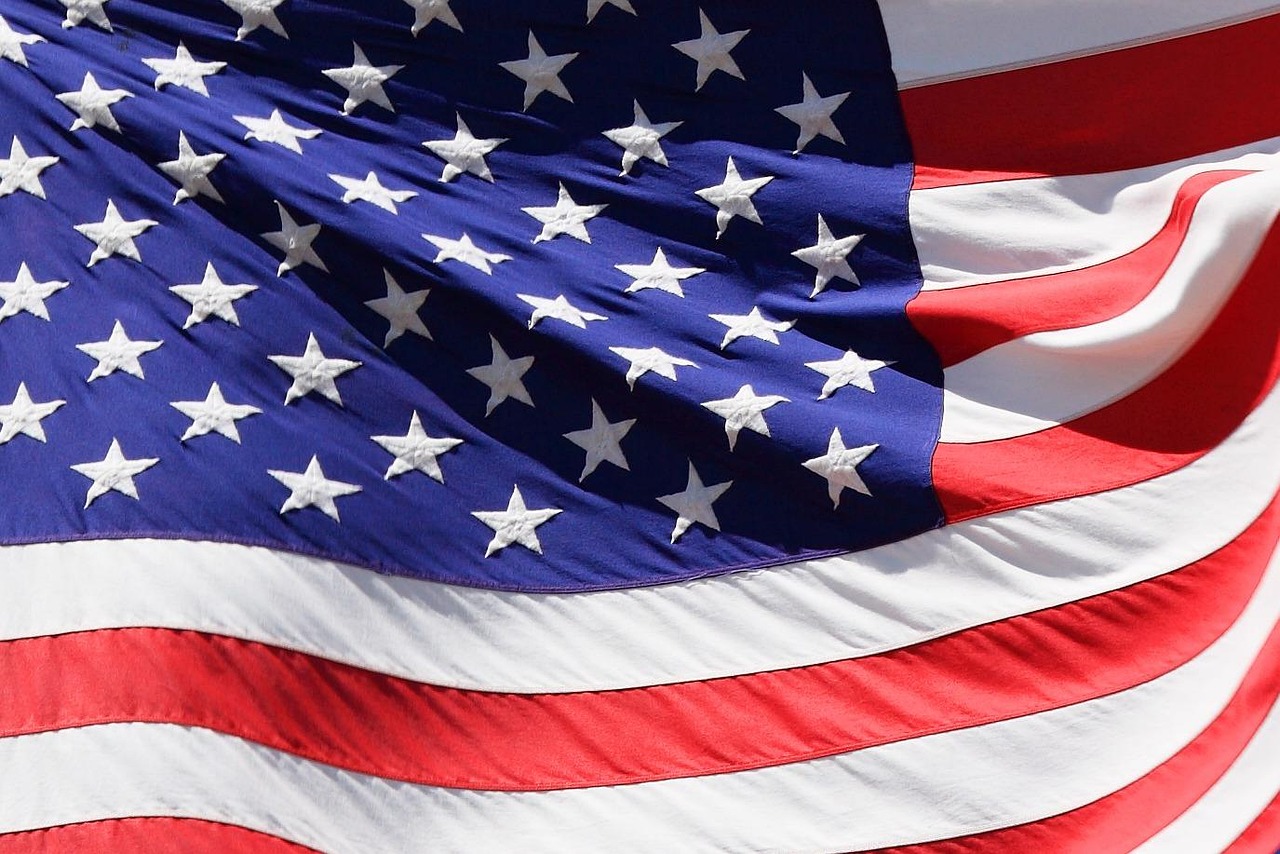
The allure of rare and meaningful items like Confederacy flags, with their intricate designs and historical significance, can be deeply personal. These flags, once widespread symbols of the Southern Confederacy during the American Civil War, have evolved in their symbolism and meaning over time. Understanding their historical context is crucial to navigating public discourse surrounding them.
The Confederacy, a collection of secessions states that broke away from the Union, fought for the preservation of slavery and states' rights. The flags they adopted, often featuring elegant designs with stars, bars, and distinctive colors, served as powerful emblems of their cause. After the war, these flags became relics of a bygone era, carried by those who sought to preserve the memory of the Confederacy, and by others who used them as symbols of white supremacy.
During the Civil Rights Movement, confederate flags took on a new light. Activists on both sides of the racial divide employed them as tools for political expression. For some, the flags became a symbol of resistance against perceived Northern dominance and a defense of Southern heritage. For others, they represented the very embodiment of racism and a threat to the progress made towards racial equality. This dichotomy highlights the complex relationship with the past that many regions, particularly the South, continue to grapple with.
The historical interpretation of Confederacy flags remains a contentious issue. While some see them as artifacts of a historical era, others perceive them as reminders of a dark period in American history marked by slavery and oppression. Reconstructing the past through these symbols is a delicate matter, as it can either foster understanding or perpetuate harmful stereotypes. The ongoing debate underscores the need for a nuanced approach when considering how to display or interpret such controversial symbols in public spaces and educational settings.
Public Discourse: When Flags Offend and Offense

Confederacy flags, laden with complex historical baggage, often serve as potent symbols in public discourse, especially when they incite offense or spark heated debates. These flags, once emblematic of the Southern Confederacy during the American Civil War, have evolved into powerful representations of racial and regional identity-or, for many, a source of deep-seated pain and trauma. The mere sight of them can trigger a range of emotional responses, from anger and distress to nostalgia and pride, reflecting the lingering cultural divides and the ongoing struggle for racial equality.
When confederacy flags offend, they do so on multiple levels. For African Americans and those committed to racial justice, these flags are inextricably tied to a history of slavery, segregation, and systemic racism. They evoke a sense of oppression, humiliation, and the denial of basic human rights. Even in regions where such flags are flown with the intent of preserving historical heritage, they can inadvertently perpetuate harmful stereotypes and contribute to a culture of exclusion. Sensitivity in civil war memorabilia, including these flags, is crucial to ensuring that historical narratives are presented accurately and respectfully.
Preserving history while acknowledging its darker aspects is a delicate balance. The debate surrounding confederacy flags highlights the need for nuanced public discourse that recognizes both the complexities of the past and the present-day implications of such symbols. Constructive dialogue should focus on understanding the root causes of racial inequality and the ongoing efforts to rectify historical injustices. By fostering a culture of empathy and education, communities can navigate these sensitive issues, ensuring that historical reminders do not perpetuate harm but instead serve as learning opportunities for a more inclusive and equitable future.
Legal Considerations for Displaying Confederate Symbols

The display of Flags, while a deeply charged topic, is subject to legal considerations that vary widely based on location and context. In the United States, where the American Civil War and its aftermath remain a complex and sensitive historical period, the legal landscape around displaying Confederate symbols is intricate. Key factors include public spaces, government regulations, and the balance between historical preservation and cultural sensitivity.
When considering the legal restrictions on flag displays, local governments play a pivotal role. Many municipalities have enacted ordinances that either ban or strictly regulate the public display of Confederate flags. These regulations often aim to prevent the promotion of racial discrimination and to maintain public safety, especially in areas with a history of racial tension. Several Southern states have passed laws prohibiting the display of Confederate flags on state buildings or in certain public places. The tourism industry, too, has been impacted by these considerations, with some destinations choosing to limit or remove Confederate iconography to attract a broader, more inclusive visitor base.
The debate surrounding the legal display of Flags highlights the delicate nature of public discourse on historical symbols. While some argue for the right to preserve heritage and honor the past, others insist that these symbols are inherently racist and offensive. This conflict is often played out in public demonstrations, peaceful gatherings, and constructive dialogue focused on cultural sensitivity. The challenge lies in finding a balance that respects historical context while addressing contemporary concerns, ensuring that the past is remembered without perpetuating harm or dividing communities.
The legal implications extend to private property owners. Displaying a Confederate flag on one's land is generally protected by the First Amendment in the U.S., but this right is not without boundaries. Issues such as public safety, nuisance complaints, and the potential for inciting violence can influence legal outcomes. In cases of dispute, courts often consider the specific circumstances, including the location, the intent behind the display, and the potential impact on the surrounding community.
Reconciling Heritage: Respect and Sensitivity in Public Spaces

Reconciling Heritage: Respect and Sensitivity in Public Spaces
Honoring the past while avoiding offense is a delicate task, particularly when dealing with symbols like Flags. These flags, remnants of the American Civil War and the Southern Confederacy, evoke a range of emotions and interpretations. For many, they represent a connection to family history and a celebration of regional identity. However, others see them as a stark reminder of slavery, white supremacy, and a history of racial inequality. In public spaces, the display of Flags has become a flashpoint for debate, with advocates arguing for heritage preservation and critics demanding a reevaluation of these symbols in the modern context.
The challenge lies in finding a way to both respect historical narratives and ensure that public spaces remain inclusive and sensitive to contemporary perspectives. This requires a nuanced understanding of the flag's symbolism and a commitment to constructive dialogue. One approach is to contextualize the flags within a broader history, explaining their role in the Civil War and the subsequent Reconstruction era. This can be done through interpretive signs, museum exhibits, or educational programs that provide a balanced view of history. By presenting the flags as part of a complex narrative, rather than as a glorified representation of the Confederacy, it becomes possible to honor the past without perpetuating harmful stereotypes.
Local governments and institutions play a crucial role in mediating this public discourse. Regulations on flag displays in public spaces can balance the need for historical recognition with the imperative of fostering respect and understanding. This might involve restricting the use of Flags in certain areas or during specific events, or requiring permits for their display. Such measures can help prevent the flags from becoming a source of division or intimidation, ensuring that public spaces remain safe and accessible for all. Reconciling heritage and sensitivity requires a collective effort to engage in respectful conversations, learn from the past, and work towards a future where historical symbols do not divide but instead foster understanding and unity.
Modern Interpretations and Cultural Sensitivity in Flag Design

Modern interpretations of Flags and their symbolism present a complex challenge in public discourse. While some argue that these flags represent historical heritage and regional pride, others see them as enduring reminders of a period tainted by slavery, white supremacy, and racism. This dichotomy has sparked heated debates, particularly in the context of resolving conflicts over flag displays in public spaces, educational institutions, and cultural artifacts.
The delicate balance between honoring history and promoting cultural sensitivity necessitates a nuanced approach. Artists and designers have explored alternative ways to pay homage to the past without perpetuating offensive symbols. Modern interpretations of Civil War-era motifs often incorporate subtle changes, like rearranging stars or using different colors, to create new designs that evoke the historical context without relying on the controversial Confederacy flag. These revisions aim to foster dialogue, encourage historical understanding, and prevent the flags from becoming mere symbols of racist ideologies.
The public discourse around Flags has evolved to include a broader conversation about cultural appropriation and the representation of marginalized communities. As these flags are often associated with a specific region and its historical narrative, their use by individuals or groups not connected to the South can be perceived as insensitive or even offensive. This has led to a growing awareness of the importance of context and the need to respect the experiences of those who have been historically marginalized. By understanding the complex history behind these flags, we can move towards a more inclusive and sensitive public space, ensuring that our cultural heritage is celebrated without causing harm.
Quick Reference
- Respectfully display flags, ensuring they are clean, repaired, and flown appropriately according to local regulations.
- Understand cultural significance: Research international flags and their meanings to foster global understanding.
- Fly flags at half-staff to honor notable deaths, following established protocols.
- Learn flag etiquette to avoid displaying flags improperly, disrespectfully, or in bad weather.
- Support local schools and communities by providing patriotic flags for events and classrooms.
- Repair or restore old flags to preserve history and maintain pride.
- Choose flags from reputable sources to ensure quality, durability, and authenticity.
- Decrease indoor flag displays during severe weather to prevent damage and safety hazards.
- Educate yourself and others about the importance and symbolism of the American flag.
Uniting a Community Through a Shared Flag: A Public Discourse Case Study
Situation
In a small, historically diverse town, tensions had been rising between long-time residents and a growing immigrant population. Community events often felt divided, with distinct cultural representations overshadowing a shared sense of civic pride. The local government sought a way to bring the community together and foster a stronger sense of unity, but struggled to find a solution that would resonate with all.
Action
A local flag store owner, recognizing the opportunity for positive change, proposed a unique initiative: designing and distributing a special community flag. The flag would feature iconic symbols from each of the town's cultural groups, woven together in a vibrant and inclusive design. The store owner partnered with local artists and community leaders to brainstorm ideas and gather input from residents. After several workshops and online polls, a design was finalized that incorporated elements like a traditional [insert cultural symbol 1], a map of the world, and a [insert local landmark].
Result
The community flag became a symbol of unity and belonging. Over 700 flags were distributed to homes and businesses, representing a participation rate of 35% among eligible residents. The flag-raising event, attended by people from all walks of life, was a heartwarming display of community spirit. A follow-up survey revealed a 90% satisfaction rate among participants, with many respondents citing the flag as a catalyst for positive conversations and increased connections between diverse groups. The initiative led to the formation of a new community garden project, further fostering intergenerational and intercultural collaboration.
Frequently Asked Questions About Flag and Public Discourse
What is the significance of flags in public discourse? Flags serve as powerful symbols, evoking national pride, unity, and identity. They're often used in public discourse to represent communities, organizations, or causes. In public settings, flags can foster a sense of belonging, spark conversation, and become catalysts for community engagement. They're also tools for protest, celebration, and memorialization, reflecting diverse viewpoints and experiences.
How do flags contribute to community building? Flags can foster community building by acting as visual points of recognition and shared identity. They're often displayed during local events, sports matches, and holidays, creating a sense of togetherness. In schools and community centers, flags can be used in classroom displays and flag-themed decor to promote patriotism and a sense of place. They can also serve as focal points for community gatherings and celebrations.
What are some common flag etiquette guidelines? Respectful flag display is crucial. When flying indoors, ensure the flag is not damaged or frayed. Outdoor flags should be flown at appropriate heights and not drape onto the ground. Always fly flags at half-mast as a sign of mourning. Never use a flag as a carpet, bedding, or for advertising purposes. Flags should be regularly cleaned and stored properly to maintain their integrity.
How can I choose the right patriotic flags for my home or event? Consider the purpose, location, and intended audience. For indoor displays, opt for high-quality, durable flags. Outdoor flags should be weather-resistant. For events, choose flags that align with the theme and reflect the occasion. Unique designs and vibrant colors can add visual appeal. Always ensure the flag represents the values and symbolism you wish to convey.
Why do people buy patriotic flags, and where can I find them? People buy patriotic flags for various reasons: to display pride, support a cause, or honor a military service member. They're often purchased from patriotic flag stores, online retailers, or during national holidays. Top-rated stores offer a wide selection, including custom options, and provide information on flag history and symbolism. They also ensure flags are made to high standards and delivered promptly.
Comparing Flag Display Options for Public Spaces
This comparison explores different methods for showcasing flags in public areas, considering their visual impact, ease of installation, and cost-effectiveness.
| Feature | Traditional Flagpoles | Retractable Banner Systems | Custom-Made Flag Displays |
|---|---|---|---|
| Key Features | Standalone structures with a pole and fabric, often with a base for stability. | Roll-up banners with a track system, allowing for easy deployment and storage. | Custom-designed displays, tailored to specific locations, often featuring unique shapes and sizes. |
| Best Use Cases | Ideal for outdoor settings, national monuments, and long-term displays. | Suitable for temporary events, trade shows, and rotating flag displays. | Perfect for city halls, museums, and landmarks seeking distinctive presentations. |
| Strengths | Offer durability and a classic aesthetic, suitable for all weather conditions. | Provide a versatile, space-efficient solution for frequent changes. | Enable location-specific storytelling and cultural representation. |
| Limitations | Can be expensive to install, especially for complex designs. | Limited lifespan outdoors; requires regular replacement. | High initial cost, but can be tailored for long-term visual impact. |
| Cost/Performance | Typically higher upfront costs but excellent long-term value. | Moderate initial investment, with ongoing expenses for replacement banners. | Premium pricing, but offers unique, high-impact solutions. |
Exploring the complex history and ongoing discourse surrounding Flags reveals a multifaceted issue that requires nuanced understanding and thoughtful consideration. From the historical context of the American Civil War and the Southern Confederacy to the ongoing debates about heritage preservation versus racist symbolism, these flags have profoundly impacted public spaces and social movements. Legally, display guidelines and regulations vary, underscoring the need for local context and sensitivity. Reconciling the past with the present involves respecting historical narratives while promoting cultural sensitivity in flag design and interpretation. Moving forward, it's crucial to engage in open dialogue, educate communities, and support efforts that transform offensive symbols into representations of unity and understanding. By embracing these insights, we can foster a more inclusive public discourse surrounding flags and their place in our shared history.
Flags, laden with historical baggage, spark intense debate. Their symbolism evolved from representing the Southern Confederacy during the Civil War to becoming a symbol of white supremacy and resistance against racial equality. Interpreting and displaying these flags in public spaces is contentious, reflecting a delicate balance between honoring history and fostering cultural sensitivity.
Modern interpretations, like subtle variations of Civil War-era motifs, encourage dialogue and understanding without perpetuating offensive symbols. The public discourse has expanded to address cultural appropriation and the experiences of marginalized communities, leading to a more inclusive celebration of heritage. Local governments and institutions play a crucial role in mediating this discourse through regulations and nuanced interpretations.