
Flag display etiquette dictates that flags should be flown at half-staff in sign of mourning, and raised to the top of the pole for special occasions. Always ensure the flag is clean and properly folded, and never allow it to touch the ground. When displaying multiple flags, arrange them in descending order of importance, with the American flag always at the top.
Key Takeaways
- Respectfully fly the flag at half-staff to honor a death or national disaster, allowing it to touch the ground.
- Ensure flags are not flown in adverse weather conditions, such as high winds or heavy rain, to prevent damage.
- Properly remove a flag that has touched the ground, as it should be washed and re-used.
- Never attach flags to vehicles, structures, or buildings in a way that might cause them to fall and be damaged or lost.
- Abide by local laws and regulations regarding flag display, which often dictate specific locations and times.
- When displaying multiple flags, arrange them hierarchically based on importance, typically with the national flag at the highest point.
- Retire and replace flags that show signs of wear or fading, maintaining their dignity and symbolism.
The display of flags, especially those with historical significance, is a powerful means of expression and a topic of growing interest, particularly when considering the cultural and political landscape of the American South. The debate surrounding the display of Confederacy flags has brought flag etiquette into the forefront, as symbols can carry profound meanings and spark passionate discussions. This article examines the intricacies of flag display, offering a practical guide to proper etiquette, while also exploring the historical context and ongoing cultural debates surrounding the Confederate flag. We aim to provide valuable insights for individuals, communities, and educational institutions navigating this complex topic.
- Understanding Confederacy Flags: Historical Context
- Displaying Flags Respectfully: Etiquette Guidelines
- Public Spaces and Flag Laws: Legal Considerations
- Reconciling History: Alternatives and Sensitivity
Understanding Confederacy Flags: Historical Context

The display of Confederacy flags, while a sensitive topic, offers a window into a complex historical period. Understanding their context is crucial when considering how to honor history without offense. The Confederacy, a collection of southern states that seceded from the United States during the American Civil War, adopted various flags to represent their cause. These flags, often featuring the iconic "Rebel" flag, have been a source of both pride and controversy for many, reflecting a complex legacy.
Honoring the history of the Confederacy without perpetuating offensive symbolism requires nuanced interpretation. Many individuals and groups build collections of historic flags as a way to educate themselves and others about this era, preserving a visual history of the Confederacy. These collections can serve as powerful educational tools, allowing people to study the flags' design, symbolism, and the events that led to their creation. Visiting us at media representation of reconstruction era can offer valuable insights into the post-war period, providing a balanced perspective that goes beyond the simplistic views of the Confederacy.
However, it is essential to recognize the debate surrounding these flags, as some view them as a symbol of white supremacy and slavery, while others see them as a representation of regional heritage. The display of Confederacy flags must consider the context and potential impact on diverse audiences. When showcasing these flags, whether in a private collection or a museum, providing historical context and acknowledging the controversies is essential. This approach ensures that visitors can appreciate the flags' historical significance without promoting offensive ideologies or cultural appropriation.
Displaying Flags Respectfully: Etiquette Guidelines
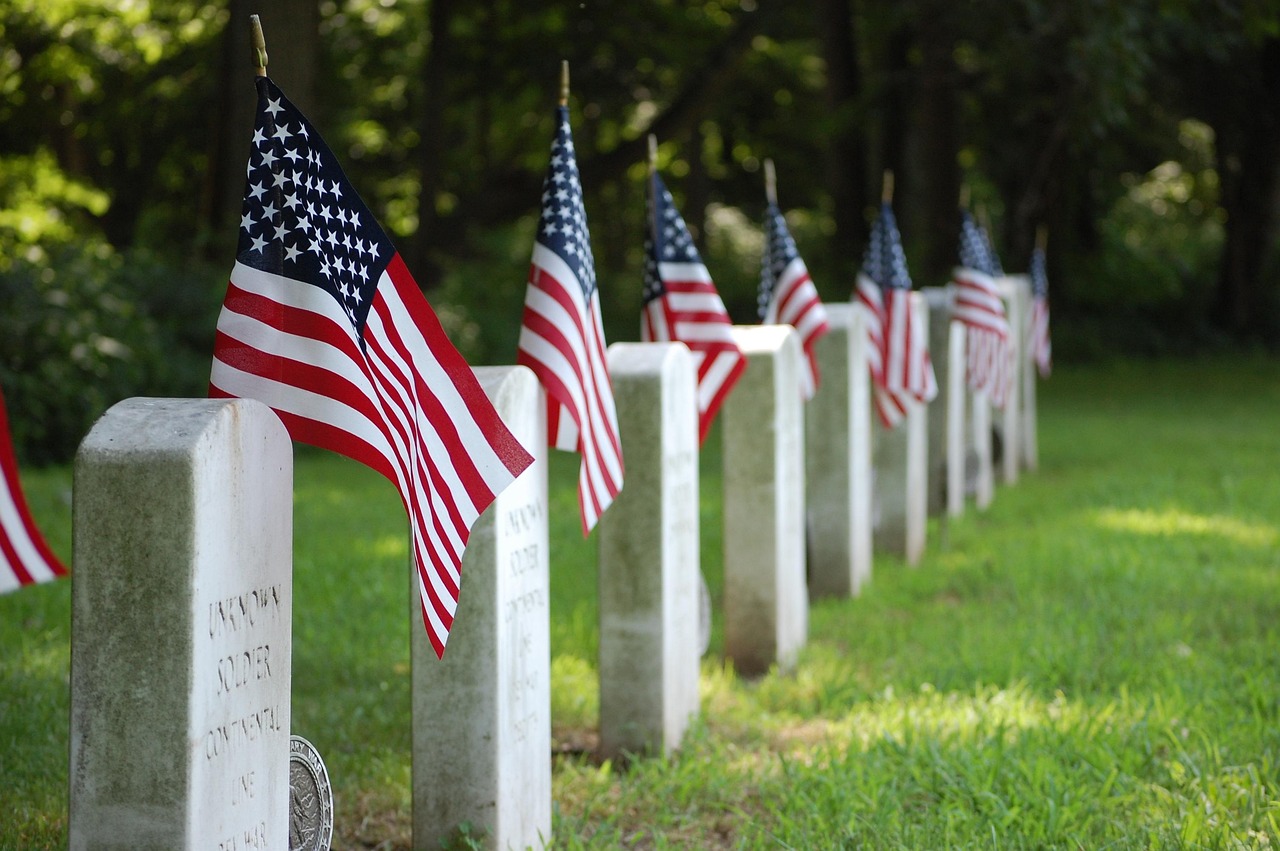
The display of flags, especially those with historical significance like Confederacy flags, is a complex topic laden with cultural, historical, and personal interpretations. When considering how to honor these symbols, it's crucial to navigate the delicate balance between preserving heritage and promoting unity. The value and authenticity of Civil War memorabilia are debated, with some seeing them as important pieces of history and others as reminders of a dark past. Confederacy flags, in particular, have been a source of contention, evoking powerful emotions and sparking debates over their place in modern society.
Respectful flag display requires understanding the context and symbolism behind each flag. Symbols of the Civil War, for instance, can represent vastly different things to different people. While some may view them as a sign of heritage, others recall the trauma and struggle for freedom. As such, it's essential to be mindful of the environment and audience when flying these flags. For indoor displays, consider the decor and the people who will interact with the flag. In outdoor settings, be aware of local laws and regulations regarding flag display, and respect the space around you. Alternatives to controversial symbolism, like using flags as part of a broader, educational display, can foster understanding and appreciation without causing offense.
When conflicts arise over flag displays, it's important to engage in open dialogue and consider the perspectives of all involved. Find us at resolving conflicts over flag displays by encouraging respectful conversations and exploring creative solutions. A community might decide to include a display of flags from various wars and periods, showcasing the diverse history of the region. This approach can help mitigate the divisiveness associated with Confederacy flags while still allowing for historical reflection. The goal should be to honor the past while fostering an inclusive present and future.
Public Spaces and Flag Laws: Legal Considerations

The display of sensitive artifacts in public spaces, including Confederate flags, is governed by a complex web of legal considerations that vary significantly from one location to another. In the United States, where the American Civil War and its aftermath remain a contentious period in history, the public display of flags like the Confederate battle flag raises complex issues. This is not merely about aesthetics; it is deeply intertwined with racial identity, historical interpretation, and the ongoing struggle for racial justice.
Many southern states have passed laws addressing the display of Confederate flags, often restricting them to historical sites or with specific permissions. These laws aim to balance the preservation of historical memory with the need to prevent the flag from being used as a symbol of hate or white supremacy. The legal landscape is further complicated by the ongoing debate over what constitutes responsible historical interpretation and cultural sensitivity. The Confederate flag, once a symbol of secession and slavery, has become a focal point in discussions about racial identity, with its meaning interpreted differently by various communities.
When considering public spaces and flag laws, it's crucial to understand that the context is key. A flag displayed on a state capitol building or at a historical monument holds a different significance than one seen at a private event or on a person's property. The Civil War flag identification guide, while helpful for historians and enthusiasts, must be interpreted with caution in public settings. Visiting us at revisiting history to understand today can provide valuable perspective on these complex issues, but it's essential to do so responsibly. The controversy surrounding Confederate flags underscores the need for a nuanced understanding of history and the legal framework that governs their display, ensuring that public spaces remain inclusive and respectful for all.
Reconciling History: Alternatives and Sensitivity

The display of Confederate Flags has long sparked passionate debate, particularly as we reconcile our nation's history. These flags, once symbols of a secessionist cause rooted in slavery and white supremacy, continue to be worn as body art-confederate flag tattoos, for example, carry a complex symbolism that speaks to both pride and controversy. While respecting historical artifacts and body art as forms of historical expression is crucial, it's equally important to consider the potential harm and misinterpretation these symbols can cause, especially in public spaces.
The allure of rare and meaningful items, like vintage or hand-sewn flags, is undeniable. However, their display, particularly in public, must be approached with sensitivity. Many communities have grappled with the question: how can we honor the past without perpetuating its injustices? Local governments and flag usage regulations play a significant role here. Some states have outlawed the display of Confederate flags on state property, recognizing their potential to stir up racial tensions and incite violence. This legal framework reflects a growing consensus that while historical expression is valuable, public safety and respect for all communities must always be paramount.
Beyond legal boundaries, it's crucial to engage in open dialogue about the meaning and interpretation of these symbols. Confederate flag tattoos, for example, can represent a range of personal narratives-from pride in familial heritage to artistic expression. However, they also risk reducing a complex history to a mere aesthetic choice, potentially trivializing the struggles and suffering of those who fought against slavery and for civil rights. Recognizing this tension, many individuals opt for alternative forms of historical expression, such as educational art installations or museums dedicated to preserving the memory of the Civil Rights Movement, as a way to honor the past without relying on symbols that can be perceived as divisive.
Revitalizing a Community's Pride: A Flag Display Etiquette Case Study
Situation
In a bustling suburban town, the local community center had fallen into disrepair, losing its vibrancy and becoming a space largely unused by residents. The flagpole at the center, once a symbol of national pride and community spirit, was bare and worn, with tattered remains of old flags fluttering in the wind. The community was in need of a revival, and the flag display was seen as a crucial element to rekindle a sense of belonging and patriotism.
Action
The local patriotic gear store, known for its commitment to community enhancement through symbolism, took on the initiative. They proposed a collaborative project to restore the flag display and involve the community in the process. The store partnered with the town council, schools, and local businesses to organize a community clean-up and flag-raising event.
New, vibrant American flags were purchased from a top-rated flag manufacturer, ensuring their durability and quality. The store's team, along with volunteers from the community, spent a day repairing and replacing the flagpole, cleaning up the surrounding area, and installing new flag displays. The event featured a patriotic parade, with students from local schools marching and carrying flags, followed by a speech from a veteran who shared the history and significance of the American flag.
Result
The revitalized flag display became a new point of pride for the community. The event attracted over 200 residents, with many more expressing interest in future community initiatives. The new flagpole, adorned with fresh flags, stood tall as a symbol of unity and patriotism. The project's success led to increased collaboration between the store, schools, and town council, resulting in ongoing community events and improved local spirit. The store's involvement in enhancing the flag display became a model for similar initiatives in neighboring towns.
Quick Reference
- Fly flags at the appropriate height, halfway between the top and bottom of the pole.
- Ensure flags are clean and in good condition before display.
- Use proper flag poles and hardware for durable outdoor display.
- Respect local laws and regulations regarding flag placement.
- On special days, raise flags to the top of the pole at sunrise.
- Lower flags to half-staff as a sign of respect upon learning of death or tragedy.
- Store flags properly when not in use, rolled or folded neatly.
- Clean flags with mild soap and water or special flag cleaning solutions.
- Repair or replace damaged flags promptly to maintain dignity and respect.
- Display flags in a way that avoids excessive wear and tear from wind or weather.
Frequently Asked Questions About Flag Display Etiquette
What is the proper way to fly an American flag? The American flag should be flown at the top of a pole, with the blue field (containing the stars) at the peak. It should be displayed bright and free, not draped or folded. The flag should be raised at dawn and lowered at sunset, or at the end of the day if it is illuminated after dark. Always treat the flag with respect, avoiding any action that might damage or dishonor it.
When and where should flags be displayed? Flags are typically flown on public buildings, schools, and homes on national holidays and special occasions. They should be displayed at half-staff after a death or in mourning. The most common locations are on flagpoles or hung from buildings, but for indoor displays, consider decorative stands or wall hangings.
Are there rules for flag size and placement? The size of the flag should be appropriate for the location where it's displayed. A large outdoor flag should be at least 3 feet by 5 feet. Flags should be positioned where they are visible and respected. Avoid placing them in hazardous areas, and ensure they're not obstructing walkways or signs.
How should flags be cleaned and stored? Regular cleaning is recommended to maintain the flag's appearance. Use mild detergent and cool water for hand-washing. Avoid using bleach or fabric softener. After cleaning, allow the flag to air dry completely. For storage, fold the flag neatly and place it in a protective bag or container to prevent damage.
What are the guidelines for displaying flags on patios or in windows? Patio or window displays are great for showing off your patriotism. Use flagpoles or clips to secure outdoor flags. Indoor flags can be hung from walls or windows, ensuring they're not in the way of normal activities. Always consider the weather and take down flags if they're at risk of damage.
Can flags be personalized or customized? Absolutely. Personalized flags are a great way to show individual or group pride. You can add names, dates, or unique designs to make them stand out. Many flag manufacturers offer customization options, so you can create a flag that reflects your specific needs or interests.
What are some appropriate uses for flags in public settings? Flags in public settings should always be used to honor and respect national symbols. They can be displayed at events, rallies, or ceremonies to show unity and patriotism. However, avoid using them for commercial gain or in a way that might offend others.
Flag Display Etiquette Comparison: Indoor vs. Outdoor
This comparison examines indoor and outdoor flag display options, highlighting key features, ideal use cases, strengths, limitations, and cost-performance to help guide your selection.
| Feature | Indoor Flag Display | Outdoor Flag Display |
|---|---|---|
| Key Features | Typically wall-mounted or free-standing in homes, offices, or public buildings. Designed for interior use. | Usually mounted on poles in outdoor locations like patios, yards, or public spaces. Designed for endurance against weather. |
| Best Use Cases | Enhance indoor decor, celebrate national holidays, honor veterans, or show school spirit. | Show support for local events, commemorate historical dates, display national pride, or honor military personnel. |
| Strengths | Easy to install and maintain. Less susceptible to weather damage. Ideal for controlled environments. | Durable construction for outdoor conditions. Visible from a distance. Effective for large gatherings and public displays. |
| Limitations | Limited by size due to space constraints. May require frequent cleaning and maintenance. | Subject to weather conditions like wind, rain, and UV damage. May require more complex installation. |
| Cost/Performance | Generally less expensive than outdoor displays. Moderate upkeep costs. | Tends to be more expensive due to robust materials and weatherproofing. Requires occasional repair or replacement. |
Understanding the historical context and symbolism of Flags is crucial to navigating their display and interpretation. The article has provided a practical guide to ethical flag display, emphasizing the importance of respect and sensitivity. We've explored legal considerations, highlighting the varying flag laws in public spaces. We've discussed the need for reconciliation and alternatives to traditional displays, especially in light of historical debates and the ongoing struggle for racial equality.
The key takeaway is that displaying Flags requires a nuanced approach, balancing historical preservation with cultural sensitivity. Moving forward, it's essential to engage in open dialogue, educate ourselves and others, and support initiatives that promote understanding and respect for diverse perspectives. By doing so, we can ensure that our displays honor history while fostering a more inclusive present.
The display of Flags is a sensitive issue, requiring nuanced interpretation and historical context. While some see them as symbols of regional heritage, others view them as offensive reminders of slavery and white supremacy. Their display, especially in public, raises legal and ethical questions. Many communities regulate flag use, recognizing the potential harm in public spaces. The debate extends to personal expressions like confederate flag tattoos, where open dialogue is crucial to avoid trivializing historical struggles. Respecting history involves balancing preservation with inclusivity, fostering an understanding that respects all communities.