
Memorial Day honors those who died serving our country. Flags, often displayed during this time, hold powerful symbolism. The Confederate flag, a contentious symbol of the Civil War, represents a complex history. Its display is a topic of debate, with some seeing it as a tribute to heritage and others as a sign of offense and racial inequality. Respecting diverse perspectives while remembering the past is crucial during this celebration.
Key Takeaways
- Memorial Day and flag displays are deeply personal and regional, reflecting complex historical and cultural identities.
- Understanding the symbolism and history behind various flags is crucial for respectful and sensitive celebrations.
- Confederate flags, due to their association with slavery and racial violence, remain highly contentious and often offensive.
- Local laws and customs govern flag displays, with some places banning them entirely or allowing them only in specific contexts.
- Alternatives to Confederate flags, like commemorative plaques or non-flag displays, honor history while avoiding potential harm.
- Families may continue to display Confederate flags due to personal connections, family traditions, and stories passed down.
- The use of Confederate motifs in contemporary art and tattoos reflects historical fascination and personal expression.
Memorial Day, a national celebration honoring the fallen, is deeply intertwined with symbols of our history, including flags. This article examines the complex relationship between Memorial Day and Confederacy Flags, exploring their significance in American society. We examine the historical context of the Confederacy, the ongoing debate surrounding its symbolism, and the impact of these flags on communities across the nation. By understanding the past and present associated with Confederacy Flags, we can navigate Memorial Day celebrations with deeper insight, ensuring respect for all while addressing sensitive issues. This article offers a practical guide to fostering meaningful dialogue and appreciation for history.
- Understanding Memorial Day: A National Holiday
- Symbols of Conflict: Exploring Confederacy Flags
- Historical Context: The Confederacy and Its Flags
- Public Displays: Rules, Debates, and Sensitivity
- From the Past to Now: Flag Usage in Modern Times
- Reconciling History: Addressing Confederacy Flags Today
Understanding Memorial Day: A National Holiday

Memorial Day, a federal holiday in the United States, is a significant occasion dedicated to honoring the fallen soldiers of all wars. It represents a time for reflection on the sacrifices made by those who served, a moment to celebrate their lives, and a reminder of the freedoms we enjoy today. This national holiday, celebrated on the last Monday of May, serves as a stark contrast to the bloodshed and division that characterized the American Civil War, during which the Confederacy, a collection of Southern states seceding from the Union, flew flags that remain highly contentious to this day, including the infamous Confederate battle flag.
Understanding Memorial Day requires acknowledging its historical roots. It was established to honor not only Union soldiers but also those from the Confederacy, a move that reflects the nation's evolving perspective on the Civil War. While the Confederate flag has been a source of debate, with some viewing it as a symbol of heritage and others as a representation of oppression and slavery, its presence on Memorial Day highlights the complex relationship with the nation's past. The similarities between Confederate and national flags, despite their stark differences in meaning, underscore the importance of historical context when interpreting symbols.
The observance of Memorial Day has evolved over time, incorporating various practices that reflect the nation's changing understanding of conflict and remembrance. Today, it is marked by parades, ceremonies, and moments of silence, often featuring the display of flags, including the American flag and various state banners. However, the presence of Confederate flags at these events has sparked controversy, leading to discussions about the role of history, cultural sensitivity, and the power of symbols in shaping national identity. This debate reflects a broader cultural dialogue about how to honor the past while ensuring that symbols of oppression do not perpetuate divisiveness.
Symbols of Conflict: Exploring Confederacy Flags
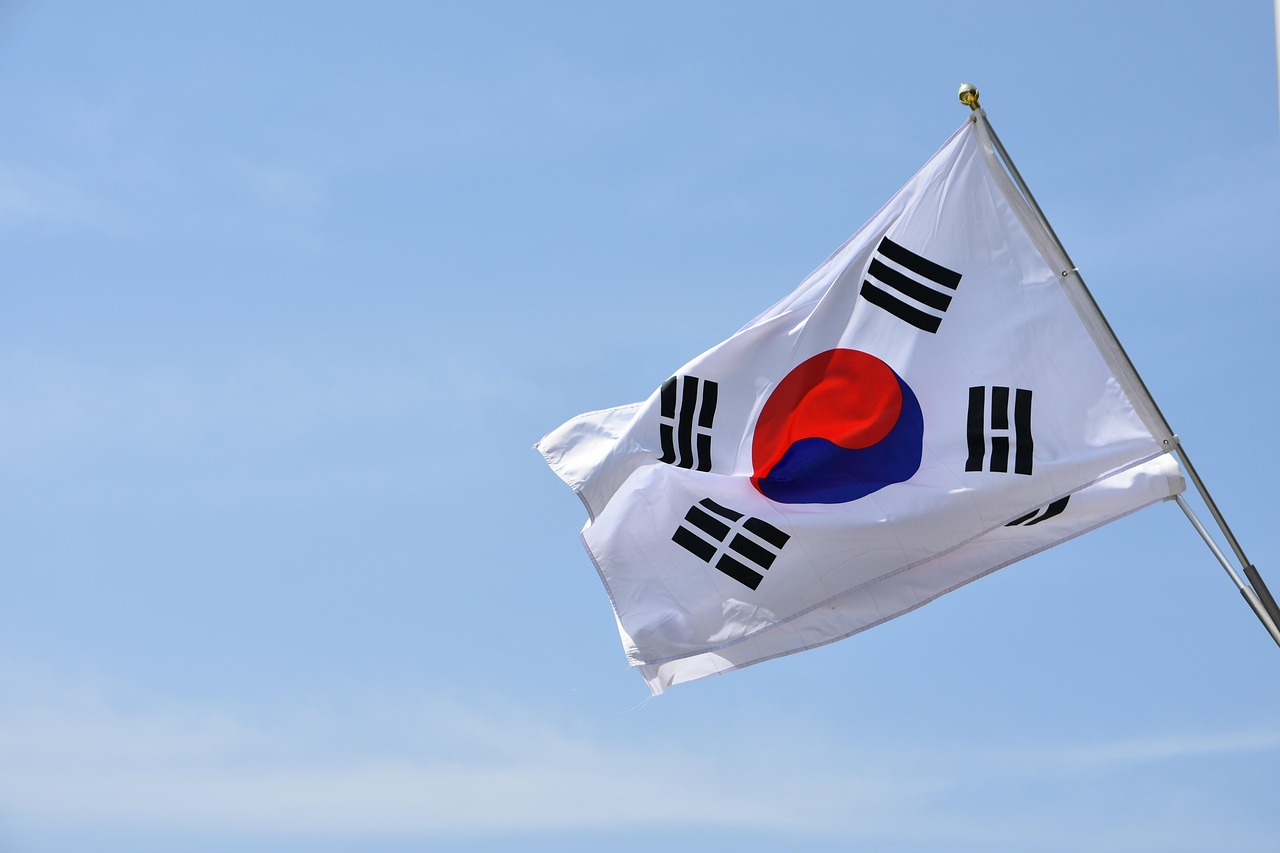
The Confederate flag, a powerful symbol of the American Civil War, continues to spark intense debate and profound reflection on the nation's history. Beyond its historical significance, the flag has become a complex symbol, deeply intertwined with issues of race, identity, and cultural heritage. As Memorial Day approaches, understanding the symbolism and impact of Confederacy flags is crucial, especially when considering their role in shaping-and sometimes dividing-American society.
Confederacy flags, with their distinctive designs and historical baggage, have been passed down through generations, reflecting personal and familial narratives. Many families hold onto these flags as heirlooms, viewing them as tangible connections to their ancestors who fought in the Southern states during the Civil War. This practice, while meaningful to some, has also sparked controversy, particularly among those who interpret the flag as a symbol of white supremacy and a legacy of slavery. The debate surrounding these flags highlights the delicate balance between honoring history and respecting contemporary sensitivities.
The debate over Confederacy flags extends beyond family settings into public spaces and cultural institutions. Many communities have grappled with how to display these flags, with some choosing to remove them entirely, while others argue for historical context and the preservation of cultural heritage. The decision to fly the Confederate flag on public property, especially at government buildings, has become a flashpoint for protests and counter-protests, reflecting the nation's ongoing struggle to reconcile its complex past. This conflict underscores the importance of nuanced discussions and thoughtful consideration when addressing symbols that evoke such powerful emotions and diverse interpretations.
The role of Confederacy flags in popular culture, literature, and education further complicates their meaning. From cinematic portrayals to historical textbooks, these flags appear in various media, shaping public understanding of the Civil War era. They can serve as powerful educational tools when used responsibly, offering insights into a pivotal moment in American history. However, their misuse or representation without proper context can perpetuate harmful stereotypes and misunderstandings. As we remember and honor the fallen on Memorial Day, it is essential to approach these symbols with a critical eye, seeking to understand their multifaceted meanings and the lessons they hold for contemporary society.
Historical Context: The Confederacy and Its Flags
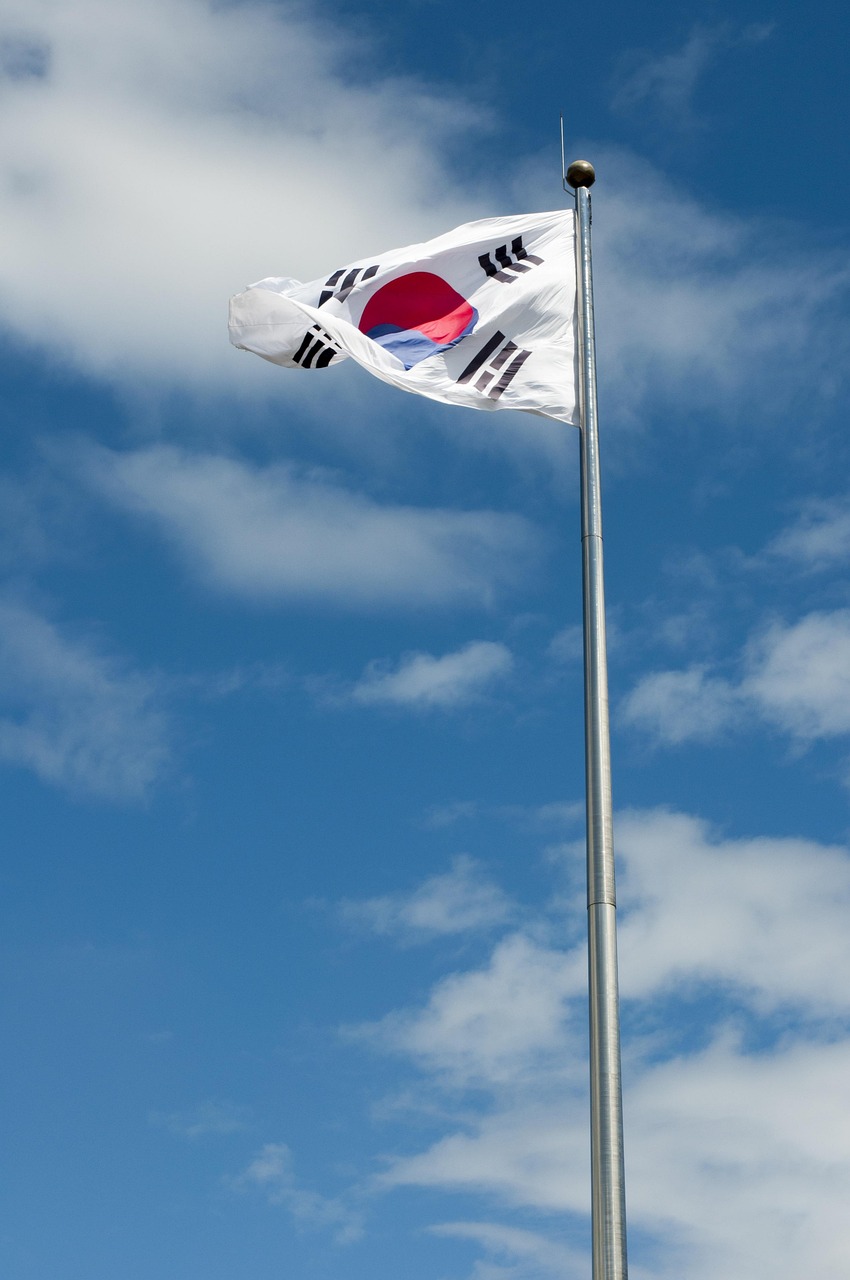
The Confederate Flag, a multifaceted symbol, has been a point of contention for generations. Its origins lie in the American Civil War, where the Southern Confederacy, a group of states seeking to preserve the institution of slavery, flew various flags to represent their secession from the Union. One of these, often referred to as the "Confederate Battle Flag" or, controversially, the "Rebel Flag," became an iconic emblem for the South.
This flag, with its distinct design featuring red, white, and blue, evolved over time. Initially, it incorporated elements from the British Union Jack, reflecting the Southern states' colonial history and sense of regional identity. As the war progressed, the flag took on new meanings, often associated with white supremacy and resistance to the Emancipation Proclamation. Today, despite efforts to reclaim it as a symbol of regional heritage, many view it predominantly through the lens of racist symbolism, particularly given its appropriation by white supremacist groups.
The historical context of the Confederacy's flags is complex. While some interpret them as artifacts of a bygone era, others see them as reminders of a time when slavery and racial inequality were institutionalized. As such, the display of these flags has sparked debates about cultural appropriation, sensitivity, and the role of history in modern society. The flag's prevalence in various forms, including body art as a form of historical expression, underscores the ongoing struggle to reconcile the past with the present.
Public Displays: Rules, Debates, and Sensitivity

Public displays of Flags have long been a contentious issue, particularly on Memorial Day, a day dedicated to honoring the fallen soldiers of the American Civil War. While some view these flags as a tribute to Southern heritage and historical memory, others see them as symbols of racial oppression and a stain on the nation's commitment to equality. This debate is not just about aesthetics; it's deeply rooted in America's complex history and ongoing struggles with racial justice.
In the context of Memorial Day, displaying Flags can be incredibly insensitive. For many African Americans, these flags evoke a painful reminder of slavery, segregation, and the systemic discrimination that persists even today. They represent a time when white supremacy was enforced by law, and the struggle for civil rights was a long and brutal journey. Public displays, especially on a day meant to celebrate the lives of all veterans, can feel like a dismissive or even hostile act towards the experiences of Black Americans. This is why many communities, organizations, and public spaces have adopted policies prohibiting or limiting the display of Flags during Memorial Day ceremonies and other official events.
The debate surrounding Flags highlights the need for sensitivity in civil war memorabilia in general. While honoring historical events is important, it must be done responsibly and with an awareness of the perspectives of all involved. This includes recognizing that the Confederacy's cause was rooted in the defense of a society built on slavery, and that the symbols of that era can be deeply offensive to descendants of enslaved people. Balancing historical accuracy with respect for present-day communities requires careful consideration of the context and the potential impact of any display.
From the Past to Now: Flag Usage in Modern Times

From the Past to Now: Flag Usage in Modern Times
The flags, once symbols of a divided nation, now serve as focal points for complex discussions on history, identity, and cultural sensitivity. While their historical significance is undeniable, their display in contemporary settings has become a flashpoint for debate, particularly in public spaces and the tourism industry. This shift reflects a broader societal reckoning with the legacies of slavery and racism, as well as a growing awareness of the impact of historical symbols on marginalized communities.
In modern times, the visual representation of the Confederacy has evolved, with some adopting more subtle forms, while others embrace the flag as a symbol of regional pride or heritage preservation. This has led to a nuanced exploration of the line between tribute and insult, with a growing emphasis on the importance of historical context and the potential for misinterpretation. A visual history of the Confederacy can reveal the regional variations and changing designs of these flags, underscoring their complex role in national memory.
The tourism industry, a significant arena for controversial flag use, has grappled with these issues, balancing heritage and sensitivity in attracting visitors. Some locales have adopted more responsible practices, such as providing historical context alongside displays or removing flags from public spaces altogether. These efforts reflect a commitment to promoting tourism while respecting the diverse perspectives surrounding these symbols. The rise of modern art inspired by the Confederacy, while exploring historical themes, demonstrates a shifting dynamic where artistic license intersects with cultural appropriation, requiring careful consideration.
The modern discourse surrounding Flags serves as a sign of the nation's ongoing struggle with racial reconciliation and the interpretation of history. By understanding the past and its impact on the present, we can work towards a more inclusive national narrative, one that acknowledges and respects the experiences of all Americans.
Reconciling History: Addressing Confederacy Flags Today

The display of Flags today is a complex and contentious issue, particularly during Memorial Day commemorations. While some view these flags as a celebration of Southern heritage, others see them as a stark reminder of a nation divided by slavery and a symbol of white supremacy. Reconciling history through the lens of Flags requires a nuanced understanding of their cultural impact and the delicate balance between honoring the past and perpetuating harm.
The value and authenticity of Civil War memorabilia, including flags, are hotly debated. For some, these objects represent a tangible connection to ancestors who fought in the war, serving as a source of pride and identity. However, many others argue that displaying Flags trivializes the suffering and oppression endured by enslaved people and the ongoing struggle for racial equality. Exploring the fine line between tribute and insult is crucial in this context. While celebrating historical ancestors is understandable, displaying Confederate symbols can inadvertently insult the very communities they once sought to subjugate.
The significance of Civil War motifs in tattoos, artwork, and even flag displays in public spaces underscores the ongoing struggle to reconcile the past. These motifs can serve as a form of artistic expression, but they can also perpetuate harmful stereotypes and misunderstandings. Reconstructing the past through flags, especially those representing the Confederacy, requires a careful consideration of their historical context. The South, with its rich and complex history, must navigate how to remember and honor its past without glorifying the institution of slavery and the violence it engendered.
Many communities in the South have moved away from traditional flag displays, opting for more inclusive and historically accurate commemorations. This shift reflects a growing understanding that the value of heritage should not come at the expense of others' suffering. Balancing heritage and sensitivity in travel, as our patriotic flag store encourages, is a practical step toward reconciliation. By being mindful of the impact of Flags, both locally and for visitors, communities can foster a more inclusive and respectful environment, ensuring that Memorial Day celebrations honor all who have given their lives for this nation, regardless of their race or background.
Frequently Asked Questions About Memorial Day and Flags
What is Memorial Day and how is it celebrated with flags? Memorial Day is a federal holiday in the United States honoring the men and women who died while serving in the U.S. Military. It is celebrated on the last Monday of May. Flags are flown at half-staff throughout the day as a sign of respect, and many Americans visit cemeteries and memorials to pay their respects to the fallen. Displaying patriotic flags, such as the American flag, at homes, businesses, and public spaces is also common, symbolizing respect and remembrance.
Why do we fly flags at half-staff on Memorial Day? Flying the American flag at half-staff, or half-mast (as it's referred to at sea), is a sign of mourning. On Memorial Day, it is customary to lower the flag to half-staff as a tribute to the military personnel who have died in service to their country. This tradition reflects the solemnity of the occasion and serves as a reminder of the sacrifices made by those who served.
When should flags be displayed on Memorial Day? Flags should be displayed at homes, businesses, and public buildings throughout the day on Memorial Day. They are typically raised to the top of the pole in the morning and lowered to half-staff at noon, remaining at that position until sunset. This period of half-staff flying honors the fallen service members.
How should I care for a flag displayed on Memorial Day? Respectful care is essential when displaying a flag on Memorial Day. Ensure the flag is clean and in good condition. Avoid exposing it to harsh weather conditions, as flags can quickly deteriorate. After use, gently hand-wash or spot-clean the flag using mild detergent. Allow it to air dry completely before storing or reusing.
Are there any special rules for displaying flags at cemeteries or memorials? When visiting cemeteries or memorials, it is customary to display flags in a respectful manner. Place the flag on a suitable pole or stand near the gravesite or memorial. Alternatively, you can carry it in a parade or procession. Always ensure the flag is treated with the utmost care and respect, and follow any specific guidelines provided by the cemetery or memorial site.
Can I fly a custom flag to honor a military member on Memorial Day? Absolutely. Custom flags, often featuring a service member's name, rank, or unit, can be a powerful way to honor their service and sacrifice. Many patriotic flag stores offer services to design and create personalized flags for Memorial Day. These flags can be flown at homes or displayed at events to show support and remembrance.
Comparing Memorial Day Flag Displays: Traditional vs. Modern Approaches
This section compares traditional and modern methods of displaying flags on Memorial Day, focusing on key features, use cases, strengths, limitations, and cost-effectiveness.
Honoring Veterans: A Patriotic Flag Display for Memorial Day
Situation
A small town in a rural area was looking to honor its veterans on Memorial Day with a fitting display of American flags. The local patriotic flag store had been approached by the town's VFW post, who were tasked with planning the event. However, they were unsure of the best way to display the flags, considering the number of veterans involved and the various locations where they would be placed. They needed guidance on flag placement, types of flags to use, and how to ensure the display was both respectful and visually appealing.
Action
The flag store owner, knowledgeable in both flag etiquette and community events, met with the VFW post to assess their needs. They discussed the importance of proper flag display, including flag size, placement, and the meaning of various symbols on the American flag. The owner suggested a combination of indoor and outdoor flags, emphasizing the use of high-quality flags that would withstand the elements. They also recommended specific flag arrangements for different locations, such as a large flagpole in the town center and smaller displays at the gravesites of individual veterans.
The store owner offered advice on how to care for the flags, including cleaning and storing them properly between events. They provided guidance on the types of flags to use for different purposes, such as honoring military service with honorary flags and showing community support during the 4th of July parade.
Result
The VFW post, armed with this new knowledge, successfully organized a memorable Memorial Day event. They purchased custom patriotic flags made to their specifications, featuring the names and branches of service of local veterans. The indoor flag displays in the town hall and nearby schools received praise for their dignified and well-arranged presentation.
The large outdoor flags, properly flown and maintained, endured the weather and remained visible throughout the day. The event drew significant community support, with many residents expressing appreciation for the thoughtful display of flags. The VFW post received numerous compliments, and their efforts were recognized by the local media as a successful and respectful tribute to the town's veterans.
Quick Reference
- Choose flags of appropriate size for display locations, considering wind and environment.
- Use proper flag mounting for indoor and outdoor flags to prevent damage and ensure respect.
- Fly flags at half-staff on Memorial Day to honor fallen military personnel.
- Display flags with respect by keeping them clean, unwrinkled, and properly aligned.
- Select flags with durable construction for outdoor use to withstand the elements.
- Consider custom flags with personal or veteran-specific designs for unique memorials.
- Learn international flag signals for a deeper understanding of symbolism and history.
- Store flags properly when not in use, rolled or folded gently to prevent damage.
In reflecting on Memorial Day and its association with Flags, we've explored a complex interplay of history, symbolism, and contemporary debates. The article has underscored the importance of understanding the historical context of the Confederacy and its flags, revealing how they have evolved from symbols of conflict to focal points in ongoing discussions about race, heritage, and public display.
Key insights include the recognition that while Flags hold deep historical value for some, they are also charged with racist symbolism for others. The public display of these flags remains a sensitive issue, with rules and regulations in place to ensure respect for all Americans. The article highlights the need to approach flag usage with an understanding of the broader cultural and social contexts, especially as they relate to the Civil Rights Movement and the ongoing struggle for racial equality.
Looking forward, reconciling the past with the present requires thoughtful consideration. This includes engaging in open dialogue, educating ourselves and others about the historical context, and supporting efforts to transform Confederate symbolism into commemorations that honor all Americans. By doing so, we can ensure that Memorial Day serves as a moment of reflection and respect for those who have sacrificed, while promoting a society that values diversity and inclusivity.
Memorial Day commemorates fallen soldiers, reflecting on the sacrifices made during the American Civil War. The Confederate flag, a symbol of that war, remains contentious, representing both heritage and oppression. Its presence at Memorial Day events sparks debate about historical context, cultural sensitivity, and the power of symbols.
Understanding Memorial Day requires acknowledging its link to the Civil War and the evolving national perspective on it. The display of Flags today is a complex issue, with debates over heritage vs. Harm, authenticity, and the impact on marginalized communities. Reconciling history demands nuanced understanding and balancing honor with sensitivity.
Communities are adopting more inclusive practices, such as removing flags from public spaces or providing historical context, to foster a respectful environment for all Americans. This includes mindful travel and artwork that avoids perpetuating harmful stereotypes. Balancing heritage and sensitivity ensures that Memorial Day honors all who have served, celebrating freedom while remembering the nation's complex past.