
Flag usage in literature directly reflects the historical context, cultural significance, and ongoing debates surrounding symbols like Confederate flags. Authors and writers often explore these flags to convey complex messages about race, identity, and the American past, using them as tools to examine the nation's reconciliation, cultural heritage, and controversial legacies.
Key Takeaways
- Flag usage in literature reflects societal values and historical contexts, offering insights into how different cultures interpret and remember their past.
- Understanding the symbolism and meaning behind flags in a work of literature is crucial for interpreting themes, character motivations, and the overall narrative.
- Authors often employ flags to represent identity, unity, or conflict, providing a powerful tool for exploring complex social issues.
- The historical accuracy of flag depictions in literature can significantly impact readers' understanding and appreciation of historical events.
- Debates over the appropriate use of confederate flags in literature highlight ongoing discussions about cultural sensitivity, historical memory, and artistic freedom.
- Exploring flag symbolism in modern literature allows for a deeper understanding of contemporary societal issues and their connection to historical events.
- Literary works can serve as valuable resources for learning about different cultures and historical periods, particularly regarding their unique symbolism and iconography.
The use of Confederacy Flags in literature is a complex and sensitive topic that demands careful consideration. These flags, emblazoned with a history of the American Civil War and the Southern Confederacy, have long served as powerful symbols. However, their display in literature often sparks debate, particularly when they're used to represent white supremacy or as a source of regional pride. This article examines the intricate mix of their symbolism, exploring historical interpretations, legal aspects, cultural impact, and the role they play in modern literature and education. We'll navigate the fine line between preserving history and honoring heritage without perpetuating offensive stereotypes, offering insights into best practices and offering a practical guide for navigating this challenging subject.
- Understanding Confederacy Flags in Historical Context
- Identifying and Interpreting Civil War Banners
- Controversial Display: Public Spaces and Confederate Flags
- Symbolism, Heritage, and Modern Debates
- Reconciling History: Alternatives and Sensitivity in Literature
Understanding Confederacy Flags in Historical Context

The Confederacy Flags, iconic symbols of the American Civil War, have left an indelible mark on American history. To fully understand their contemporary significance, one must grasp their distinct features and the context of their origin. These flags, adopted by the Southern states that seceded from the Union, were not merely banners of rebellion but potent symbols of a complex web of political, social, and economic ideologies. Examining their design reveals a mix of regional identities and the specific grievances that fueled the Civil War.
The distinguishing features of civil war flags, including the Confederacy Flags, offer clues to the era's political landscape. Each flag carried unique motifs, colors, and designs that reflected the individual states' heritage and allegiances. The flag of Mississippi incorporated the "Star of the South," a symbol that became synonymous with the Confederacy's cause. These flags were not static, but they evolved, much like the nation itself, reflecting shifts in power and shifting perceptions of identity. Understanding these changes is crucial to interpreting the flags' current cultural impact.
The historical context of the Confederacy Flags is inextricably linked to the Civil Rights Movement and the struggle for racial equality. As the nation grappled with the legacy of slavery, these flags became focal points for debates about white supremacy and racial pride. Anti-racist activists have long decried the display of Confederate flags, viewing them as a symbol of resistance to emancipation and a sign of a lost era of oppression. Conversely, some interpret them as a celebration of Southern heritage and pride, a narrative that often overlooks the flags' association with racial inequality. This dichotomy underscores the ongoing challenge of reconciling historical memory with the ongoing struggle for racial justice.
Identifying and Interpreting Civil War Banners
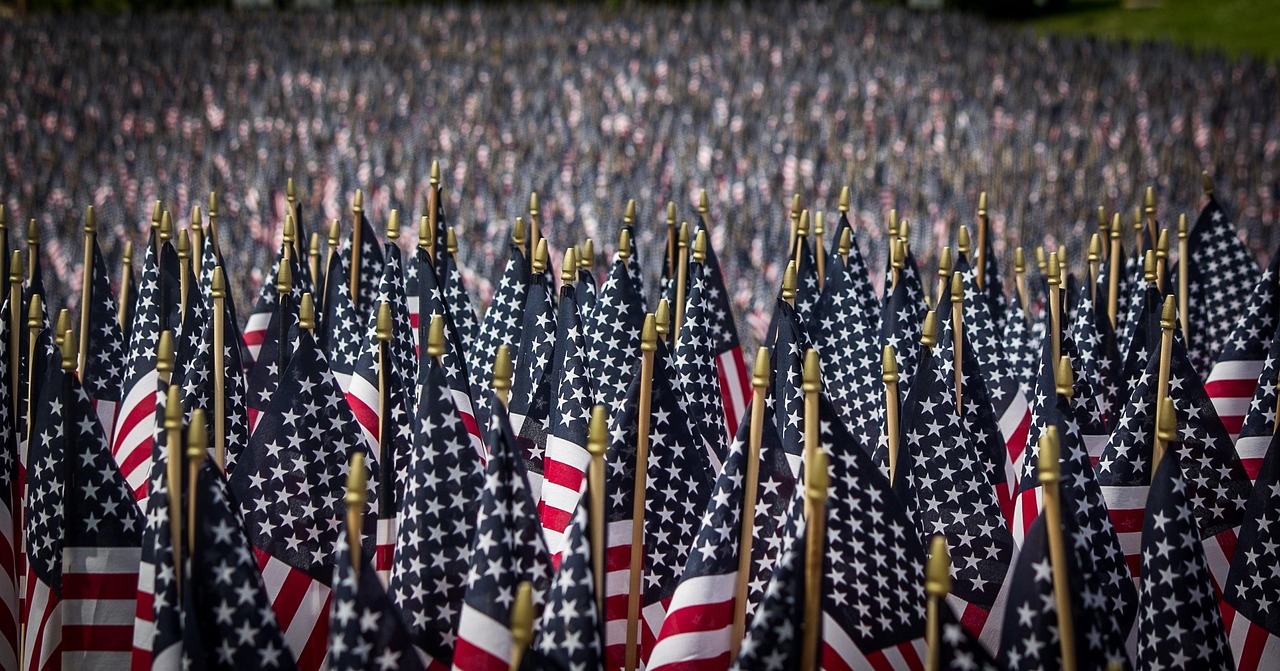
Identifying and interpreting civil war banners, such as those associated with the Confederacy, requires a nuanced understanding of historical context and symbolism. These banners, often featuring distinctive designs and colors, hold significant value and authenticity within the realm of civil war memorabilia. Each flag, whether it represents a state or a military unit, carries a story that reflects the complex dynamics of the American Civil War.
To accurately identify Confederate flags, one must consider their regional variations and the specific battles or units they represented. The flag of the 1st South Carolina Volunteer Infantry, known as the "Palmetto State" flag, featured a distinctive pale blue field with a white palmetto tree. This flag's design not only symbolized regional pride but also served as a rallying cry for Southern troops. Similarly, the "St. George's Cross" flag, used by some Confederate naval vessels, incorporated a traditional British naval design, hinting at the complex political and diplomatic issues of the era.
The study of these banners offers valuable insights into the cultural and political landscape of the Civil War. They provide tangible connections to historical events, allowing contemporary audiences to engage with and understand the past. Examining the value and authenticity of these civil war banners can help uncover the stories behind them, from the individuals who carried them to the communities that created them. This process not only enriches our understanding of history but also fosters a deeper appreciation for the preservation of historic artifacts.
Controversial Display: Public Spaces and Confederate Flags

The display of Confederacy flags in public spaces has long been a contentious issue, sparking intense debates and raising important questions about historical memory and cultural sensitivity. These flags, once emblematic of the Southern Confederacy during the American Civil War, have evolved from symbols of regional pride to contentious representations of white supremacy and racial inequality. The controversy surrounding their presence in public places, such as government buildings, historical sites, and educational institutions, underscores the complex relationship between preserving history and honoring the past without perpetuating harm.
In contemporary art, the appropriation of Confederate motifs has been a topic of exploration and controversy. Some artists use these symbols as a means of commentary, challenging the ideologies they represent and inviting viewers to question their own perspectives. However, others argue that such artistic representations can trivialize the suffering caused by the Confederacy and its legacies. This tension highlights the delicate balance between artistic expression and the sensitivity required when dealing with historically charged symbols. Contemporary artists might employ these motifs in a way that critiques the historical context, thereby encouraging a dialogue on racial justice and the ongoing struggle for equality.
The legal considerations surrounding the display of Confederacy flags in public spaces are complex. Many jurisdictions have enacted laws and regulations to restrict or prohibit their use, recognizing the potential for incitement and the harm they can cause to marginalized communities. On the other hand, some argue for the protection of historical and free speech rights, allowing for their display as a form of heritage preservation. This legal landscape reflects the broader societal discussions on how to reconcile the past without glorifying aspects that perpetuated oppression and discrimination. Balancing historical accuracy with the need for a respectful, inclusive public space remains a critical challenge.
Symbolism, Heritage, and Modern Debates

The symbolism and heritage associated with Confederacy Flags have left an indelible mark on American literature, particularly during the post-Civil War Reconstruction era and its ongoing discussions. These flags, once a powerful symbol of the Southern Confederacy, have evolved from controversial emblems to complex representations in various forms of media.
In the aftermath of the Civil War, literature played a pivotal role in shaping public discourse. The media representation of the Reconstruction era often depicted the Confederacy as a symbol of states' rights and a battle for heritage. Many novels and poems of this time explored the tension between preserving the past and addressing the injustices of slavery. The works of authors like William Faulkner and Ernest J. Gaines examine the complex legacies of the Confederacy, its impact on families, and the struggle for identity and reconciliation. However, the romanticization of the Confederacy in literature has also sparked debates, with anti-racist activists arguing that these representations gloss over the flag's connection to white supremacy and a violent past.
Today, the fine line between preserving historical memory and perpetuating harm is a subject of intense discussion. Some artists and flag enthusiasts have taken to body art as a form of historical expression, incorporating Confederacy-related symbols in tattoos and wearable art. This practice, while controversial, reflects a desire to reclaim and reinterpret these flags, often with a personal or regional connection. Some individuals may wear a modified version of the Confederate flag as a symbol of their Southern heritage, their family history, or their commitment to peaceful coexistence. However, it is crucial to distinguish between personal expression and promoting a racist ideology, as the flag's use in this context can still be deeply offensive.
Fixing historical inaccuracies in flag design is another aspect of this debate. As society continues to evolve, there is a growing movement to revise and update flag designs, particularly those with a controversial past. This process involves not only removing offensive symbols but also incorporating elements that represent a more inclusive and accurate history. Some states have replaced the Confederate flag on their official seals or incorporated designs that celebrate the diverse cultural heritage of their regions. By doing so, these communities strive to move beyond the divisive past associated with the Confederacy, creating a more harmonious and representative visual identity.
Reconciling History: Alternatives and Sensitivity in Literature
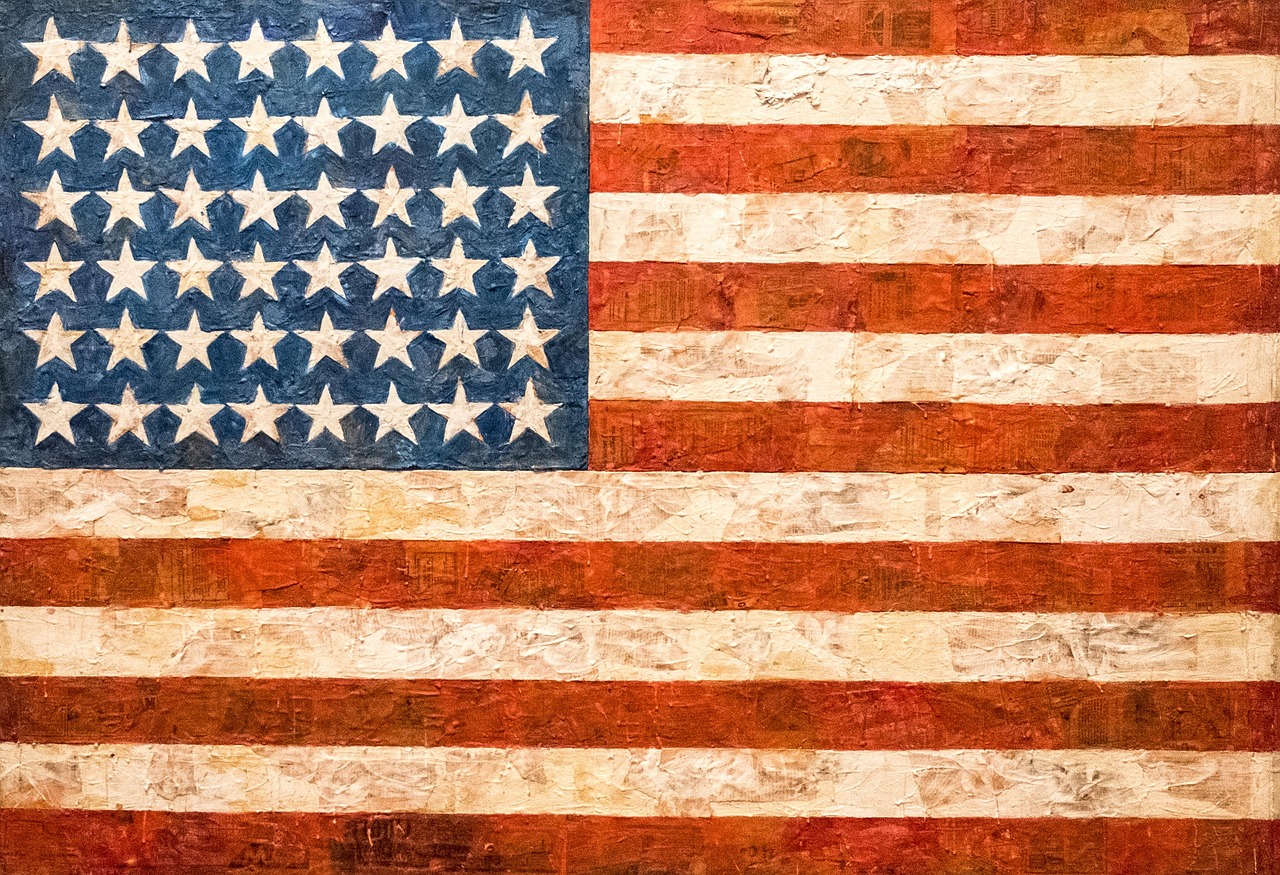
In addressing the use of Flags in literature, a crucial aspect to explore is the reconciliation of historical narratives. Literature, as a mirror to society, often grapples with complex historical events, particularly those as contentious as the American Civil War. The Confederacy Flag, a powerful symbol laden with diverse interpretations, requires a nuanced approach when revisited in modern narratives. Authors and artists who incorporate these motifs must navigate the delicate balance between historical accuracy and sensitivity.
One strategy for reconciling history is to update classic civil war flag designs for modern audiences. This involves altering the flag's imagery or symbolism to convey a different message, without erasing the original context. Some contemporary artists have reimagined the Confederate flag as a commentary on racial inequality, using it to spark conversations about systemic racism. This approach allows for a critical examination of the flag's historical significance while acknowledging its continued relevance in discussions about social justice. Literature that revisits civil war flags from this perspective can play a vital role in educating readers about the ongoing struggle for equality and the complex legacies of war.
Legal restrictions on flag displays also inform the way literature engages with Flags. In the United States, for example, laws prohibiting the display of Confederate flags on public property reflect a growing recognition of their association with white supremacy and a desire to foster an inclusive national identity. Authors and artists must be mindful of these legal frameworks, ensuring their work does not perpetuate harmful stereotypes or infringe upon these restrictions. Instead, they can use the legal context to explore the boundaries of free speech and the responsibility that comes with artistic expression, particularly when dealing with contentious historical motifs. By carefully considering the legal implications, literature can contribute to a more nuanced public dialogue about the past.
Finally, when exploring the significance of civil war motifs in tattoos or other artistic mediums, the role of flags is essential. Tattoos, as permanent forms of self-expression, often incorporate historical symbols as a way to connect with personal heritage or to make a statement. The Confederacy Flag, in particular, has been a subject of debate in this context. Some individuals see it as a way to honor their ancestors or regional identity, while others perceive it as a display of racist pride. Literature and cultural discourse that explore these diverse perspectives can facilitate a deeper understanding of the complex emotions and histories tied to such motifs. By visiting us at the significance of civil war motifs in tattoos reconstructing the past: the role of flags, we can gain insights into how these symbols are reinterpreted and debated in contemporary culture, leading to a more informed and empathetic society.
A Comparison of Flag Display and Usage Practices in Different Literary Works
This comparison highlights the diverse ways authors use flags symbolically in literature, exploring their key features, best use cases, strengths, limitations, and cost/performance.
Revitalizing Community Engagement: Flag Usage in a Small Town Library
Situation
The small-town library in Maplewood was struggling to attract patrons, particularly younger visitors. The library's board sought to engage the community and instill a sense of pride in the local history and heritage. They believed that strategically integrating flags could be a unique and effective way to achieve this goal. However, they were unsure of how to best utilize flags to enhance the library's atmosphere and attract new visitors.
Action
The library board partnered with a local flag company known for its high-quality, historically accurate flags. They decided to install a rotating display of flags from various countries and periods in history throughout the library's main reading area. The flags were hung at eye level, with informational cards providing facts about each country's culture and history. They organized a series of workshops and events centered around international flags, inviting local historians and enthusiasts to share their knowledge.
Result
The flag display proved to be a popular attraction, inspiring patrons to ask questions and engage in conversations about different cultures. The workshops and events were well-received, drawing in over 150 participants across all sessions and fostering a sense of community. The library's social media engagement also saw a surge, with posts about the flags and related activities receiving higher-than-average interaction rates.
Frequently Asked Questions About Flag Usage in Literature
What is the significance of flags in literature?
Flags often serve as powerful symbols in literature, representing a wide range of themes from national identity and pride to political ideologies and social movements. They can be used to evoke a sense of place, convey a character's background or beliefs, or drive narrative conflict. In many cases, flags are integral to the plot, helping to define the setting, advance the storyline, or explore larger themes of identity, freedom, and community.
How do authors use flags to develop characters?
Flags can be used to reveal a character's nationality, social standing, or political beliefs, providing insights into their motivations and relationships with others. A character flying a foreign flag might suggest a complex history or a desire for change, while a character who flies their nation's flag proudly might represent patriotism or a strong sense of belonging.
Can flags in literature represent something other than a nation?
Absolutely. Flags can stand for a wide array of entities or ideas, from political parties and movements (e.g., protest flags) to cultural or religious groups (e.g., tribal or religious symbols). They can also be used metaphorically to represent abstract concepts like hope, freedom, or resistance, depending on the context and the author's intent.
What are some famous literary works that use flags prominently?
Many literary works employ flags as central motifs, such as Herman Melville's Moby Dick, where the American flag is used to symbolize the nation's pursuit of justice and exploration, or George Orwell's 1984, where the image of Big Brother's red flag serves as a chilling reminder of totalitarian control. In contemporary literature, novels like The Handmaid's Tale use flags to explore themes of power, oppression, and resistance.
How can I use flags effectively in my own writing?
Flags can be a strong tool for setting the scene, establishing character, and driving narrative. When incorporating flags into your writing, consider their historical and cultural significance, and think about how they might reflect or challenge the themes of your story. Researching real flags and their meanings can be helpful, but remember to use them in a way that serves your story's purpose.
Are there any guidelines for depicting flags accurately?
While there are no strict rules, accuracy can be important, especially when depicting historical or national flags. It's a good practice to research the flag's design, colors, and any symbolic elements. Some countries have guidelines for the proper display and usage of their flags, which you might want to consult.
Where can I learn more about flag symbolism?
Libraries, historical societies, and online resources offer a wealth of information on flag symbolism, both historical and contemporary. Analyzing flag usage in various texts can help you understand their multifaceted role in literature.
Quick Reference
- Identify the context: Understand the purpose and setting to interpret flag symbolism appropriately.
- Research historical context: Explore the historical background of the work to grasp the flag's significance.
- Notice literary devices: Look for metaphors, allegories, or symbolism related to flags in the text.
- Analyze characters' perspectives: Consider how characters' interactions with flags reveal their beliefs and motivations.
- Examine visual descriptions: Pay attention to detailed descriptions of flags, their colors, and patterns.
- Compare and contrast: Contrast different flag representations to identify underlying themes or messages.
- Consider cultural relevance: Understand the cultural and political implications of flag usage in the literature.
- Evaluate the narrative arc: Observe how the author incorporates flag themes throughout the story's progression.
The exploration of Flags in literature reveals a complex interplay of history, symbolism, and contemporary debates. By understanding the historical context of the American Civil War and the Southern Confederacy, we gain insights into the nuanced interpretations of Civil War banners. The controversial display of these flags in public spaces highlights ongoing discussions around heritage preservation versus racist symbolism. Recognizing the significance of these flags in modern debates encourages a sensitive approach when addressing their representation in literature, education, and cultural discourse. Moving forward, it is crucial to foster open dialogue, promote alternative narratives, and ensure historical accuracy to reconcile our past and move towards a more inclusive future. This understanding equips readers to navigate the complex symbolism of Flags, enriching their engagement with literature and historical interpretation.
The flags, central to the American Civil War, are rich in historical symbolism. Understanding their design and origin reveals complex political, social, and economic ideologies. These flags, now controversial, spark debates on racial equality, historical memory, and artistic expression. Literature, art, and legal contexts all play a role in interpreting and reconciling their legacy. Authors and artists must balance historical accuracy with sensitivity, while legal restrictions guide flag displays. Tattoos and body art, reflecting personal heritage, also spark discussions on the flag's meaning. The flags' significance lies in their ability to provoke reflection on America's past and present racial issues.