
Flag burning debates rage over whether burning confederate flags is an expression of free speech or a disrespectful display of racist symbolism. The issue is complex, reflecting a nation's struggle to reconcile its past with its present. Balancing historical sensitivity and individual rights, communities and lawmakers grapple with appropriate contexts for flag display and removal, especially in public spaces.
Key Takeaways
- Flag burning debates often stem from differing interpretations of free speech and cultural sensitivity.
- Understanding historical context is crucial for resolving conflicts over flag displays, focusing on the era's values and motivations.
- Public spaces and local laws play a significant role in determining where and when confederate flags can be flown, with varying regulations across regions.
- Banning confederate flags in certain places is driven by a desire to protect public safety and foster respect among diverse communities.
- Alternatives to controversial symbolism, like non-flag displays, can help commemorate history while avoiding divisive identifiers.
- Museums face a delicate balance in displaying sensitive artifacts, ensuring both historical accuracy and respect for diverse perspectives.
- Personal connections to historical eras can lead to continued display of confederate flags within families, passed down as symbols of heritage and pride.
The debate surrounding the display of Confederacy flags, particularly in public spaces, is a complex and emotionally charged issue with profound historical implications. These flags, once symbols of the Southern Confederacy during the American Civil War, have evolved into powerful representations of both regional identity and ongoing racial tensions. The controversy escalates during events like the Civil War sesquicentennial and in the context of the Civil Rights Movement, highlighting the need for nuanced understanding and thoughtful dialogue. This article examines the historical context, symbolism, legal considerations, and cultural impact of Confederacy flags, offering insights into how society can navigate these contentious displays while addressing the underlying social and racial issues they represent.
- Understanding the History Behind Confederacy Flags
- Symbolism and Offense: The Core Debate
- Legal Considerations in Flag Display
- Public Spaces and Cultural Sensitivity
- Reconciling History: Alternatives and Solutions
Understanding the History Behind Confederacy Flags

The Confederacy, a region of eleven Southern states that seceded from the United States during the American Civil War, left behind a complex legacy that includes the Confederacy Flags. These flags, while representing a pivotal moment in American history, have become potent symbols, sparking intense debates and protests. Understanding the history behind these flags is crucial to navigating the ongoing controversies.
The civil war flag identification guide offers a window into the intricate symbolism of the Confederacy. Flags from this era often featured the Confederate battle flag, a rectangle with a blue field and white stars, known as the "Southern Cross." This flag, despite its prominent use, became a target for anti-racist activists due to its association with white supremacy and the defense of slavery. The historical context reveals that these flags were not merely symbols of regional pride but served as a rallying cry for a society grappling with profound social and political divisions.
The debate surrounding Confederacy Flags today goes beyond their historical significance. Many see them as a tribute to Southern heritage and a representation of regional pride, while others view them as an offensive reminder of slavery and racial inequality. The ongoing conflict highlights the need for a nuanced understanding of history, where the past is not simply romanticized but acknowledged for its flaws, ensuring a more inclusive and respectful present.
Symbolism and Offense: The Core Debate

The debate over the display of Confederacy flags centers on a fundamental conflict between symbolism and offense. These flags, once symbols of a nation divided and a struggle for slavery, continue to evoke powerful emotions. For many, the Confederacy represents a time of systemic racism, segregation, and oppression. For others, it's a representation of heritage, pride, and a specific period in American history. The core issue is whether these symbols should be allowed to fly in public spaces, and if so, under what circumstances.
Curatorial decisions in civil war exhibits often grapple with this debate. Museums and historical societies must balance the need to accurately represent history with the potential for causing harm. Displaying a Confederacy flag can be seen as a trivialization of the suffering caused by slavery and the subsequent struggle for civil rights, as highlighted during the Civil Rights Movement. However, some families pass down Confederate flags as part of their heritage, viewing them as symbols of their ancestors' experiences. This personal connection, deeply rooted in family traditions, can make the debate even more complex.
The question remains: how do we honor the past without perpetuating offense? Removing or banning certain symbols may be a solution for some, but it doesn't erase history. Others argue for context and education, using these flags as a tool to spark dialogue and teach about the nation's troubled past. The debate revolves around curatorial decisions that must navigate the delicate balance between preserving history and promoting respect for all Americans, regardless of race or background.
Legal Considerations in Flag Display
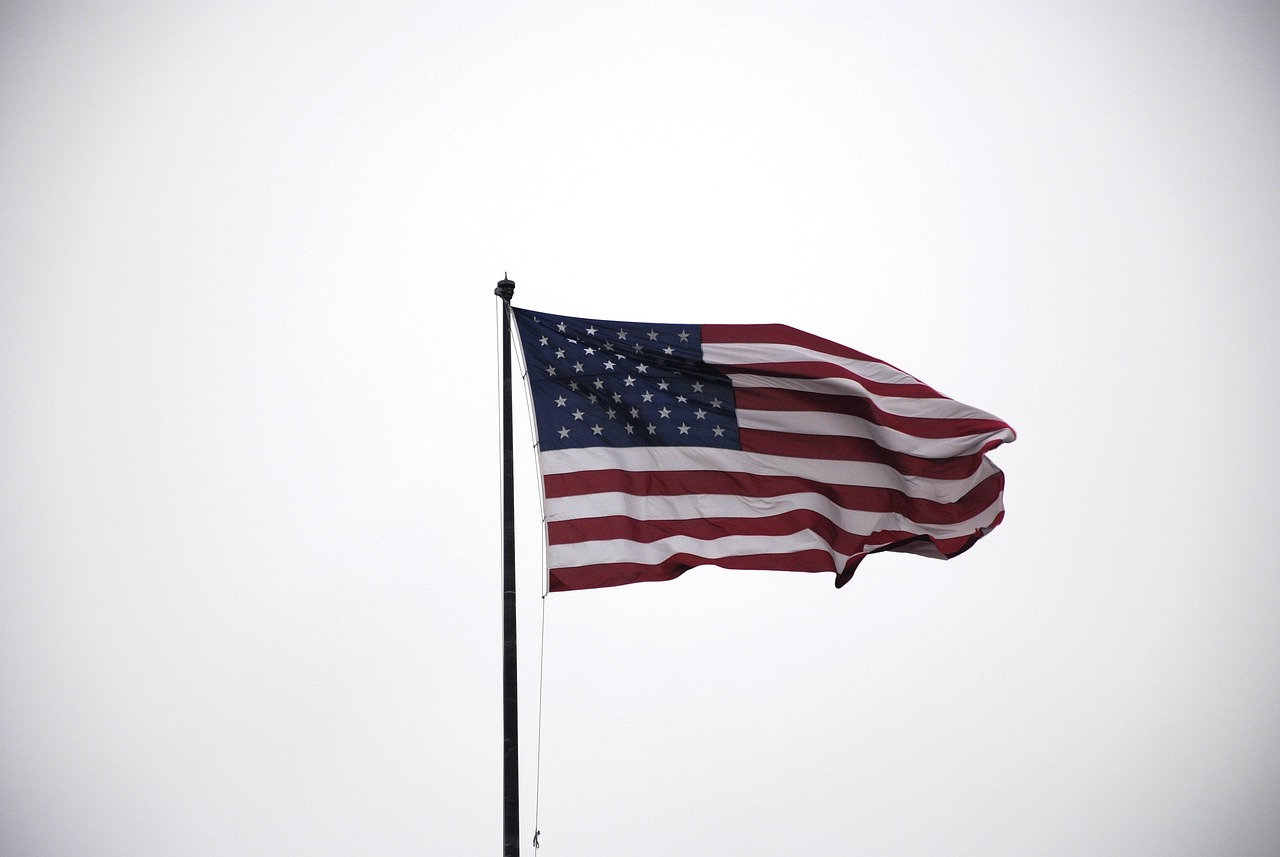
The legal considerations surrounding the display of Confederacy flags are complex and multifaceted, reflecting the ongoing debate about historical memory and contemporary values. While the right to freedom of expression protects the flying of Confederate flags as a symbol of regional heritage, legal frameworks also address public safety, decency, and the potential for these flags to incite racial harm.
During the Reconstruction era, following the American Civil War, state and federal laws sought to prevent the display of Confederate flags as a symbol of ongoing resistance to civil rights and racial equality. The 14th Amendment, for instance, prohibits states from denying citizens equal protection under the law, a provision that has been invoked in legal challenges against the display of Confederate flags in public spaces. Many southern states passed laws banning the Confederate flag on state property, aiming to distance themselves from the violent past associated with it.
Today, the legal landscape is more nuanced. Some states have enacted specific laws regarding the display of Confederate flags, with varying degrees of restriction. In public schools, many districts have policies prohibiting the use of Confederate flags due to their potential to create a hostile environment for students of color. Conversely, some states allow the display of Confederate flags as a form of free speech, particularly on private property. This legal complexity necessitates a careful balancing act when considering where and how to display Flags.
Understanding how to identify Reconstruction era flags is crucial for historical accuracy. These flags often feature intricate designs that can be distinguished from modern iterations. Experts advise studying the specific colors, patterns, and symbols used during the Confederacy to ensure respect for history while avoiding the perpetuation of offensive symbolism. This distinction is vital, as it underscores the importance of preserving the past accurately while acknowledging its uncomfortable aspects.
Public Spaces and Cultural Sensitivity

Public spaces have long been a battleground for debates surrounding the display of Flags. These discussions often center on the delicate balance between commemorating historical events and preserving cultural sensitivity, especially for the Confederate flag's representation of a period marred by slavery and racial inequality. The question arises: where, if at all, should these flags be flown, and how do we ensure their display respects the experiences of all citizens, particularly those who have been historically marginalized?
In many communities, public spaces serve as platforms for both celebration and remembrance. However, for Confederate flags, their presence in these areas can evoke powerful emotions and trigger painful memories for African Americans and others who trace their heritage back to the struggle for civil rights. The debate often revolves around the idea of honoring history while avoiding insensitivity, particularly when flags are used to promote white supremacy or resist racial progress. The removal of Confederate flags from government buildings and public display areas has been a significant step towards fostering an inclusive society, reflecting the growing consensus that these symbols have no place in places of learning and public life.
Commemorating heroes beyond regional identifiers and the specific historical context of the Confederacy is crucial here. While some argue that the Confederate flag represents a connection to family heritage or a desire to preserve cultural traditions, others see it as a symbol of a lost cause that fought against the emancipation of enslaved people. In public spaces, where diverse communities gather, it is essential to foster an environment that respects the dignity of all, regardless of race, ethnicity, or historical perspective. This involves not only removing offensive symbols but also actively engaging in conversations that educate and promote understanding of the complex history surrounding the Civil War and the ongoing struggle for racial equality.
Reconciling History: Alternatives and Solutions

Reconciling History: Alternatives and Solutions
The debate around the display of Flags has long been polarized, with strong emotions running high on both sides. While some see them as symbols of heritage and regional pride, others view them as remnants of a racist and oppressive past. To move forward, it's crucial to explore alternative ways to commemorate history without relying on symbols that continue to cause offense. One effective approach is to examine deeper into the historical context, explaining the complex motivations and consequences of the Civil War and the Confederacy, rather than simply venerating the flag. This involves curricular revisions in schools, where history textbooks now offer more nuanced accounts of the era, acknowledging the perspectives of enslaved people and marginalized communities.
Cinema and literature play a significant role in this reconciliation process. Films and books can serve as powerful tools to explore the nuances of the past, challenging simplistic narratives and fostering empathy. Productions like 12 Years a Slave and The Help have brought to light the experiences of enslaved people and the struggle for civil rights, providing a more holistic understanding of the historical context. These artistic representations can spark important conversations and encourage viewers and readers to question their preconceived notions.
Alternative forms of commemoration can celebrate the achievements of individuals and communities who fought for freedom and equality during and after the Civil War. This includes honoring the contributions of those who led the charge for emancipation, the actions of the Civil Rights Movement, and the ongoing efforts to address systemic racism. By focusing on these narratives, we can create a more inclusive and accurate historical record, ensuring that the legacies of courage and resilience are recognized and preserved.
Comparing Flag Burning Practices: A Look at Key Differences
This table highlights the contrasting approaches to flag burning, focusing on key features, use cases, strengths, limitations, and cost/performance.
Resolving Community Tension Over Flag Burning at a Local Park
Situation
A small, diverse suburban community was torn by a debate over the display and burning of the American flag at a local community park. While some residents saw it as a patriotic tradition, others found it disrespectful, especially when combined with a growing practice of lighting bonfires in the park during late-night events. Tensions escalated as online discussions and town hall meetings became increasingly polarized, with no clear resolution in sight.
Action
A local civic organization, the Neighborhood Association, stepped in to mediate. They organized a series of community workshops focused on flag etiquette and the historical significance of the American flag, aiming to foster understanding and respect among residents with differing viewpoints. They proposed a compromise: designating a specific area for flag displays and ceremonies while strictly prohibiting open flames, including bonfires, in that area. This compromise was advertised through local newspapers, community newsletters, and social media.
Result
The park became a more inclusive space, where residents could celebrate their patriotism and cultural diversity without conflict.
Frequently Asked Questions About Flag Burning Debates
What is the legal status of flag burning?
Flag burning is a complex legal issue. While the U.S. Supreme Court ruled in 1989 that flag burning is protected as a form of free speech under the First Amendment, individual states have the authority to enact their own restrictions. Some states specifically prohibit the public display or burning of national flags, often with penalties for violation. It's crucial to check local laws and regulations before engaging in any form of flag burning.
Why does flag burning spark such strong emotions?
Flag burning evokes powerful emotions because it symbolizes a profound sense of national identity and patriotism. For some, it represents protest and dissent, while for others, it's a show of respect or disrespect. The flag often carries historical and cultural significance, leading to passionate debates about its use and display.
Are there instances where flag burning is permitted?
Yes. Some countries allow controlled and legal flag burning in specific contexts. During military ceremonies, flags might be burned as a ritualistic part of a memorial service for fallen soldiers. In the U.S., private individuals may also burn flags as a form of protest or to dispose of worn or damaged ones, as long as it's done responsibly and doesn't violate local laws.
How should someone handle a disagreement over flag burning?
Disagreements over flag burning can be intense. It's essential to approach these conversations with respect and open-mindedness. Engaging in constructive dialogue, understanding the historical context, and recognizing the underlying emotions can help bridge differences. Remember, while opinions may vary, the rule of law should guide any actions related to flag display or burning.
What are the alternative ways to express patriotism?
There are numerous ways to express patriotism without burning a flag. Flying the American flag proudly, attending community events, participating in Veterans Day parades, wearing patriotic clothing, and supporting military families are just a few examples. These actions contribute to a sense of national pride and unity without prompting controversial debates.
Can flag burning be used as a form of art or protest?
Absolutely. Throughout history, artists and activists have used flag burning as a powerful form of visual and symbolic protest. It conveys a message of dissent or political statement. However, it's crucial to understand that the legality and ethical implications of such actions vary widely depending on cultural, political, and legal contexts.
Quick Reference
- Understand the Legal Framework: Familiarize yourself with local laws regarding flag burning.
- Respectful Intention: Ensure the burning is done with a genuine show of respect and not for malicious reasons.
- Private vs. Public: Differentiate between burning flags in private settings and public gatherings.
- Time and Place: Choose a suitable time and location, away from sensitive areas or events.
- Permits: Obtain necessary permits if burning in public, ensuring compliance with local regulations.
- Safety Measures: Implement safety protocols, including fire extinguishers, to prevent accidents.
- Educate and Inform: Inform attendees about the significance and purpose of the flag burning ceremony.
- Document and Record: Keep a record of the event, including dates, participants, and any official presence.
The debate surrounding the display and burning of Flags underscores the complex interplay of history, symbolism, and cultural sensitivity. By understanding the historical context of these flags, from the American Civil War and the Emancipation Proclamation to the Civil Rights Movement, we can grasp their multifaceted meanings. The core debate revolves around whether they represent a proud heritage or a symbol of white supremacy, with anti-racism activists arguing for their removal and others advocating for their preservation as a part of history.
Legal considerations play a crucial role, with rules governing flag display in public spaces and the need for cultural sensitivity. The article highlights the importance of reconciling history by exploring alternatives to the controversial flags, such as region-specific designs that celebrate the past without promoting racist symbolism. These practical steps can help foster a more inclusive society, ensuring that public spaces reflect the values of all communities.
The debate around Flags prompts us to reflect on our collective past, present, and future. By engaging with the historical, legal, and cultural dimensions, we can move towards a more understanding and respectful society, one that values both heritage and the principles of equality and justice.
Flags
The flags, symbols of the American Civil War's Southern states, evoke strong reactions due to their association with slavery, white supremacy, and regional pride. The debate revolves around historical context, offense, and the role of public spaces in preserving culture versus sensitivity.
Curatorial decisions, historical education, and artistic representations are key to navigating this conflict. Removing offensive symbols and focusing on nuanced historical accounts, along with celebrating achievements in freedom and equality, can foster an inclusive understanding of the past and present. This approach ensures respect for history while avoiding perpetuation of harm.