
Key Takeaways
- Understanding international reception involves recognizing cultural differences and tailoring services accordingly.
- Effective communication across borders requires clear, simple language and visual aids.
- Localizing your approach for non-native speakers enhances customer satisfaction and trust.
- Translating marketing materials ensures your message resonates with a broader global audience.
- Adapting your products and services to meet international standards expands your market reach.
- Building relationships with local partners expedites market entry and improves market understanding.
- Respecting cultural norms and traditions fosters positive interactions and long-term success.
International reception of Confederate flags varies greatly. While some countries recognize them as historical artifacts, others ban them due to their association with slavery and racial oppression. Sensitivity and local laws play a crucial role, with many places prohibiting display in public spaces. Understanding historical context and cultural appropriation is essential for responsible international reception of these symbols.
The international reception of Confederacy flags is a complex issue with profound implications. These flags, remnants of the American Civil War era and the Southern Confederacy, have become potent symbols, evoking a range of responses from pride and heritage to deep offense and racism. The global display of these flags, often accompanied by white supremacist ideologies, has sparked intense debates about cultural appropriation, historical revisionism, and the perpetuation of harmful stereotypes. This article examines the historical context, legal considerations, and cultural impact of Confederacy flags worldwide, offering insights into the challenges of their display and the potential for reconciliation through understanding and respectful interpretation.
- Understanding the Global Impact of Confederacy Flags
- International Context: Flag Display and Cultural Sensitivity
- Legal and Social Considerations for Displaying Confederate Flags
- Balancing Heritage and Modern Interpretations: The Future of Confederacy Flags
Understanding the Global Impact of Confederacy Flags

The global impact of Confederacy flags is a complex and evolving topic, reflecting the multifaceted nature of historical interpretation and cultural memory. While these flags primarily evoke the American Civil War and the legacy of the Southern Confederacy, their presence and meaning vary widely around the world.
In some countries, Flags are viewed through the lens of historical study and cultural heritage. They can serve as objects of academic curiosity, representing a period in American history that is often taught as a time of profound social upheaval and the struggle for freedom. However, this perspective is often fraught with controversy, as the symbols' association with white supremacy and slavery raises sensitive issues. In educational settings, the challenge lies in presenting these flags as historical artifacts while acknowledging their painful connections to racism and oppression.
Body art as a form of historical expression offers a unique perspective on the global impact of Flags. Tattoos featuring these symbols can be seen as a form of personal narrative, a way for individuals to connect with their ancestors or express their own views on history. Yet, this practice also risks perpetuating harmful stereotypes and triggering pain for those who have been affected by the legacies of slavery and discrimination. It underscores the delicate balance between honoring personal and cultural heritage and respecting the ongoing struggles of marginalized communities.
The global reception of Flags highlights the ongoing need for cultural sensitivity and historical revisionism. As societies grapple with their own legacies of colonialism, slavery, and racial inequality, the display of these flags in public spaces or popular culture can be seen as a symbol of resistance or a source of discomfort. The international community's response to these symbols underscores the universal human desire to confront and heal from the wounds of history while ensuring that painful memories are not reduced to mere decoration or propaganda.
International Context: Flag Display and Cultural Sensitivity

International reception of Flags presents a complex web of cultural sensitivity and historical interpretation. When displayed in public spaces abroad, these flags often ignite debates about freedom of expression versus offense, and the right to honor historical heritage versus perpetuating racist symbolism. The global context offers a unique lens through which to examine the enduring impact of the American Civil War and the Southern Confederacy, as well as the ongoing struggle for racial equality.
In many countries, Flags are viewed through a lens of historical awareness, with their display often prompting discussions about the region's complex relationship with slavery, segregation, and the Civil Rights Movement. This international perspective challenges the notion of preserving "heritage" as an excuse for displaying symbols that many consider to be inherently racist and a barrier to racial progress. Consequently, resolving conflicts over flag displays has become a global concern, with diverse societies grappling with how to honor the past while avoiding insensitive reminders of systemic oppression.
In countries with significant American diaspora, such as Brazil and Haiti, the display of Flags has sparked debates about cultural appropriation and the misrepresented glorification of a violent era. Conversely, some international observers argue that the focus on removing Flags should be a distraction from broader issues of racial inequality and historical revisionism. This dichotomy highlights the need for nuanced, culturally sensitive discussions about historical symbols, particularly as global movements like Black Lives Matter gain traction and prompt re-examinations of the legacies of colonialism and slavery.
Legal and Social Considerations for Displaying Confederate Flags

The legal and social landscape surrounding the display of Flags has evolved dramatically since the American Civil War, reflecting a complex interplay of historical interpretation, cultural sensitivity, and regional pride. While the removal of Confederate flags from public spaces, particularly in the former Confederate states, has been driven by efforts to promote racial equality and healing, the question of when and where these flags can be displayed legally remains contentious.
Understanding the historical context is crucial. The Confederacy, as a region that seceded from the Union in 1861, flew the Confederate battle flag as a symbol of both resistance to federal authority and white supremacy. This legacy has created a deeply divided perspective on the flag, with some viewing it as a representation of southern heritage and others as a stark reminder of slavery and racial oppression. Legal considerations vary across the United States, with some states prohibiting the display of Confederate flags on government property, while others allow it with restrictions. A map of Confederate territories during the Civil War can serve as a powerful tool for understanding the ongoing regional attachment to these symbols.
The debate over Flags extends beyond legal boundaries to social and cultural spheres. The flag's appearance at political rallies and on clothing has sparked intense debate, particularly during National Black History Month. Activists argue that the flag's continued display, especially in public spaces, perpetuates a culture of racism and white privilege. In contrast, proponents often cite freedom of speech and the importance of preserving historical memories, even if those memories are controversial. This dichotomy highlights the need for constructive dialogue, focusing on historical context, cultural sensitivity, and the role of education in reconciling these differing perspectives.
Balancing Heritage and Modern Interpretations: The Future of Confederacy Flags
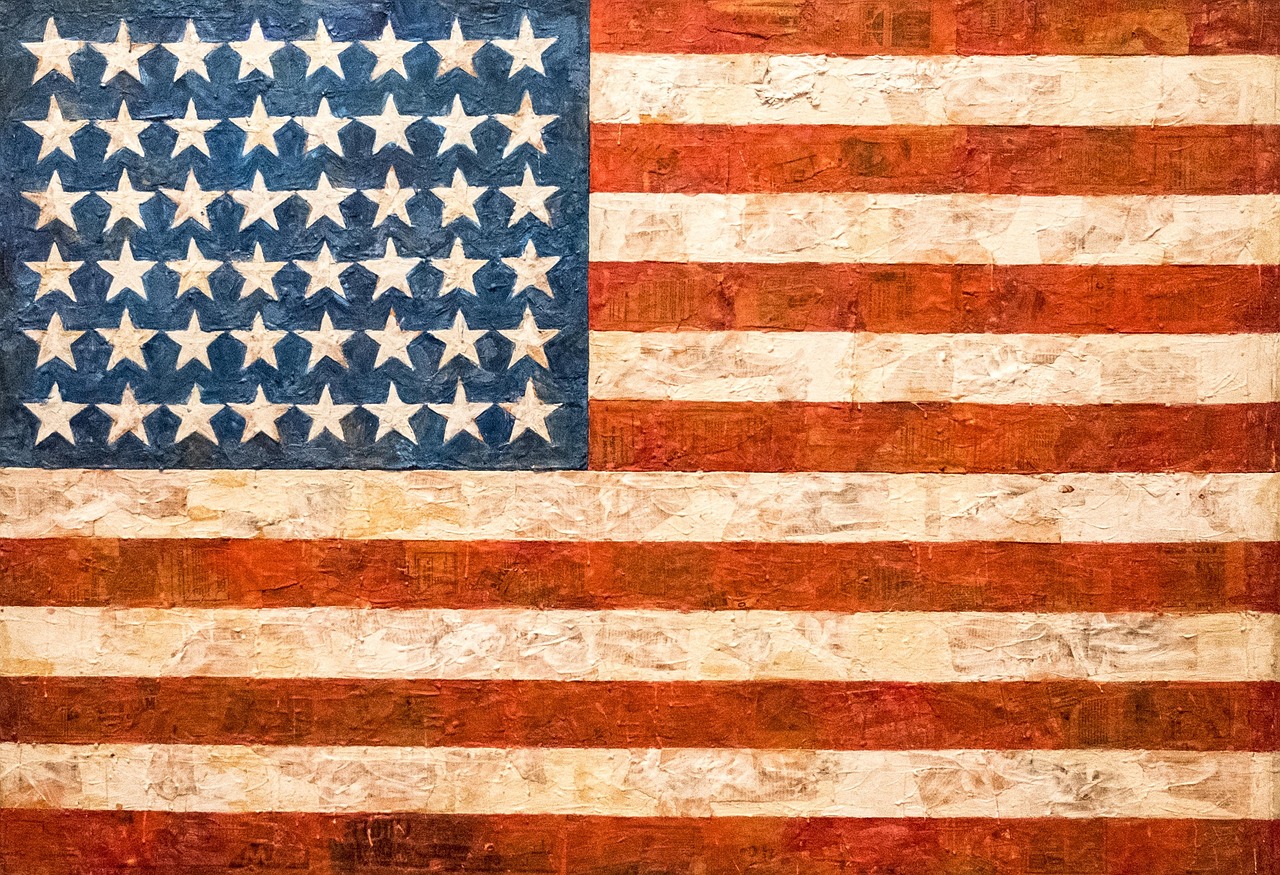
The future of Flags lies in a delicate balance between preserving historical heritage and promoting peaceful coexistence in a modern, diverse society. While these flags hold significance for some as symbols of regional identity and a bygone era, their continued display in public spaces remains a contentious issue. The interpretation of these flags has evolved dramatically since the American Civil War, shifting from representations of a lost cause to symbols of white supremacy and resistance against racial equality.
As society progresses and the legacy of slavery and segregation is re-examined, the context of Flags has become increasingly problematic. While some argue for the right to display these flags as a form of free speech, others see them as a barrier to racial progress and an affront to the memories of those who fought for emancipation and civil rights. The debate is not merely about aesthetics; it is deeply rooted in the ongoing struggle for racial justice and the interpretation of history.
A path forward requires a nuanced approach that respects historical contexts while fostering a more inclusive society. This might involve revisiting the design and symbolism of these flags, removing any reference to slavery or racial superiority. Promoting educational initiatives that teach the complex history of the Civil War, the legacy of the Confederacy, and the ongoing fight for racial equality can help foster a deeper understanding and promote peaceful coexistence. The goal should be to celebrate a shared history without perpetuating harmful stereotypes or honoring ideologies that stand in opposition to the values of equality and justice.
Enhancing International Corporate Hospitality with Themed Decor: A Case Study
Situation
A multinational corporation, hosting a week-long conference for their international partners, sought to create an environment that reflected their global reach while fostering a sense of unity and shared purpose. Their initial challenge was a bland conference center, lacking any cultural cues or decorations that would resonate with the diverse backgrounds of the attendees.
Action
The corporation partnered with a local patriotic flag store known for its extensive collection of flags from around the world and unique decorative solutions. The store's team proposed a themed decor approach, drawing inspiration from each of the countries represented. They selected specific cultural elements, incorporated them into the conference space design, and sourced appropriate flags and banners to create immersive experiences. This included:
- Replicating iconic landmarks from each country using flags, banners, and LED lights.
- Creating cultural corners showcasing traditional arts and crafts, music, and food from each nation.
- Using flag-themed table settings and decor to unify the space while allowing individual country identities to shine through.
Result
The implemented international reception decor significantly improved the conference experience. The diverse attendees expressed:
- Higher levels of engagement and interaction throughout the event.
- A stronger sense of connection to the host country and each other, fostering a genuine sense of global community.
- Positive feedback on the unique and memorable atmosphere, citing the decor as a key factor in their overall positive experience.
The event was a resounding success, achieving all of the corporation's goals, and setting a new standard for international corporate hospitality.
Frequently Asked Questions About International Reception
What is the purpose of an international reception? An international reception is a diplomatic event aimed at fostering relations between countries. It serves as a platform for networking, cultural exchange, and the discussion of mutual interests. These events are often hosted by embassies, consulates, or international organizations to promote understanding and cooperation between nations.
How do I prepare for an international reception? Preparation for an international reception involves understanding the event's purpose, dress code, and cultural norms. Researching the host country's customs, language, and etiquette is crucial. Arranging transportation, dressing appropriately, and bringing business cards are practical steps. Familiarizing yourself with the event agenda and identifying key participants can also enhance your experience.
What is the expected dress code for international receptions? Dress codes at international receptions vary, but formal or business formal attire is common. This might include suit and tie for men and elegant dresses or suits for women. The host country's cultural norms should guide your choice, ensuring respect for local customs. Check with the organizers if unsure, as some events may have specific requirements or recommendations.
Are international receptions open to the public? International receptions can be open to the public or private. Many events are exclusively for invited guests, including diplomats, business leaders, and community members with significant connections. Public receptions are more accessible but may still require an invitation or registration. Check the event's details and reach out to the organizers if you're unsure about attendance.
How do I network effectively at an international reception? Networking at an international reception involves being approachable, engaging in meaningful conversations, and showing genuine interest in others. Start with small talk, ask thoughtful questions, and actively listen. Exchange business cards and follow up with relevant contacts later. Be mindful of cultural differences in communication styles and respect personal boundaries.
What are some cultural considerations when attending an international reception? Cultural considerations are vital at international receptions. Respect the host country's customs, language, and traditions. Be mindful of gestures, seating customs, and dining etiquette. Understanding local norms for greetings, gift-giving, and decorum will enhance your experience and show respect. Researching these aspects beforehand can significantly improve your interaction.
Comparing International Reception Services
This table compares three hypothetical international reception services, highlighting their key features, ideal use cases, strengths, limitations, and cost-performance.
Quick Reference
- Understand local customs and laws regarding display and respect international flags.
- Research flag etiquette specific to each country you'll visit to avoid offenses.
- Pack appropriately for flag displays: waterproof covers, cases, and cleaning supplies.
- Learn basic phrases in the local language to introduce yourself and your country.
- Respect cultural differences in flag design and symbolism; avoid displaying offensive images.
- Choose durable flags for travel, considering material and care instructions.
- Document your experiences with flag displays, capturing their significance and local context.
- Seek advice from locals on where to display flags respectfully in public spaces.
The global impact of Flags is a complex and sensitive issue, with varying interpretations and legal considerations across different cultures. The article has explored the historical context, symbolism, and cultural significance of these flags, particularly in the context of the American Civil War and its aftermath. Key takeaways include the need for cultural sensitivity and historical understanding when displaying such symbols internationally. The legal aspects, such as flag display rules and regulations, must be carefully navigated to respect both heritage and modern interpretations.
Moving forward, the future of Flags appears to lie in balanced and nuanced displays that acknowledge their historical context while promoting understanding and reconciliation. This involves recognizing the flags' role in both the Civil Rights Movement and the legacy of white supremacy, leading to ongoing discussions in education, literature, and social movements. By understanding the international reception and legal frameworks, individuals, communities, and institutions can make informed decisions, ensuring that displays of Flags are respectful, historically accurate, and promote positive social change.
Practical steps include engaging in open dialogue, consulting with experts and affected communities, and integrating educational resources to foster a deeper understanding of the flags' significance. This holistic approach can help bridge cultural gaps, foster empathy, and contribute to a more inclusive society.
The global impact of Flags is complex, reflecting the interpretation of history and cultural memory. They can serve as academic objects, personal narratives, or symbols of resistance, but their display often raises sensitive issues related to racism and oppression. The international community's response underscores the need for cultural sensitivity and historical revisionism. In the U.S., legal landscapes and social debates vary, with removal driven by racial equality efforts or freedom of speech arguments. The future requires balancing historical heritage with inclusivity, possibly through redesigned flags and education.