
Key Takeaways
- Heritage and hate are distinct, yet the display of confederate flags blurs the line, sparking controversy and debate.
- Understanding the historical context is crucial; symbols can be tributes or insults, depending on interpretation and context.
- Sensitivity is key; respecting historical allegiances while protecting individuals and communities from offense is essential.
- Local laws and cultural norms vary, influencing the appropriateness of flag displays in public spaces and institutions.
- Dialogue and education can bridge divides, fostering understanding and reconciliation by addressing the past and present.
- Alternatives to controversial symbols exist; celebrating history through non-flag displays promotes inclusivity and respect.
- Personal connections to historical eras can be complex; family traditions and pride must be balanced with broader social considerations.
Heritage vs. Hate: Understanding the difference is crucial. Confederate flags, symbols of a bygone era, spark debate. While some view them as a celebration of history, others see them as a hate symbol perpetuating racial inequality. Balancing heritage and sensitivity is key. History should be remembered, but not at the expense of marginalizing or offending communities. Context, understanding, and respect are vital to resolving this complex issue.
The debate surrounding Confederacy Flags is a complex interplay of heritage, hate, and history. These flags, once symbols of the Southern Confederacy during the American Civil War, now serve as potent reminders of a nation's painful past, including slavery and racial segregation. Today, they remain a contentious issue, with some viewing them as a preservation of regional identity and others as an emblem of white supremacy and racial division. This article examines the historical context, symbolism, legal aspects, and cultural impact of Confederacy Flags, offering a comprehensive understanding of why this topic is so contentious and how we can navigate its delicate nature towards reconciliation and respect for all. By exploring both the heritage and the hate, we aim to provide a clear, factual, and authoritative guide to this challenging subject.
- Understanding the Confederacy Flags' Historical Context
- Symbolism and Misinterpretation: Heritage vs. Hate
- Legal and Social Considerations for Displaying Confederacy Flags
- Reconciling the Past: Alternatives to Controversial Symbols
Understanding the Confederacy Flags' Historical Context

The Confederacy Flags' historical context is deeply intertwined with the American Civil War and the South's complex relationship with its past. These flags, once symbols of the Southern Confederacy, represent a period marked by slavery and states' rights, but their meaning has evolved dramatically since the war's end. The Civil War, which lasted from 1861 to 1865, saw the secession of eleven Southern states, forming the Confederate States of America, in opposition to the Union. The conflict was a turning point in American history, leading to the abolition of slavery through the Emancipation Proclamation and the eventual ratification of the 13th Amendment.
Despite their association with a dark era of American history, the Confederacy Flags have persisted in the public consciousness, often used to represent regional identity and cultural heritage. However, they have also become a contentious symbol, particularly for anti-racist activists, as they are seen as a reminder of white supremacy and a system that sought to maintain and protect slavery. The South's complex relationship with its history is reflected in the diverse interpretations of these flags. Some view them as a sign of their ancestors' sacrifice and a celebration of regional pride, while others see them as a stain on the nation's consciousness, a symbol of oppression and inequality.
Understanding the historical context of the flags is crucial for navigating their contemporary usage. The flags serve as a visual reminder of the Civil War's legacy, including the issues of racial justice and regional reconciliation that still resonate today. This nuanced perspective highlights the importance of historical context in interpreting symbols, demonstrating that their meanings are not static but evolve with society's evolving values and understanding of its past.
Symbolism and Misinterpretation: Heritage vs. Hate

Flags, with their intricate designs and powerful symbolism, serve as a poignant reminder of a complex historical era. While some view them as a tribute to regional heritage and a celebration of a bygone era, others perceive them primarily as a symbol of hate, white supremacy, and a rejection of the principles enshrined in the Emancipation Proclamation. This fundamental discrepancy in interpretation stems from a failure to revisit history to understand today. The flag's origins and its evolution over time must be understood within the broader context of the American Civil War, the struggle for civil rights, and the ongoing fight against racial inequality.
A visual history of the Confederacy reveals a flag that has undergone several transformations since its early days. Each revision carried a layer of meaning, often reflecting the shifting political and social landscape. However, for many, the most recent iterations, with their stark white and red colors, evoke a painful past marked by slavery, segregation, and the systematic denial of basic human rights. This interpretation is especially pronounced during the Civil Rights Movement, when these flags reemerged as symbols of resistance and a desperate attempt to preserve a system of racial hierarchy.
The debate surrounding flags is not merely an argument about historical accuracy but a reflection of the ongoing struggle for racial justice. They can serve as a powerful tool for education, allowing us to examine the complexities of the past and learn from it. However, they can also be a source of profound hurt and trauma for communities that continue to bear the legacy of oppression. Therefore, it is crucial to approach their display with sensitivity, recognizing that they can evoke diverse and often conflicting emotions. By understanding the flag's symbolism from both historical and contemporary perspectives, we can move towards a more inclusive and equitable interpretation of our shared history.
Legal and Social Considerations for Displaying Confederacy Flags
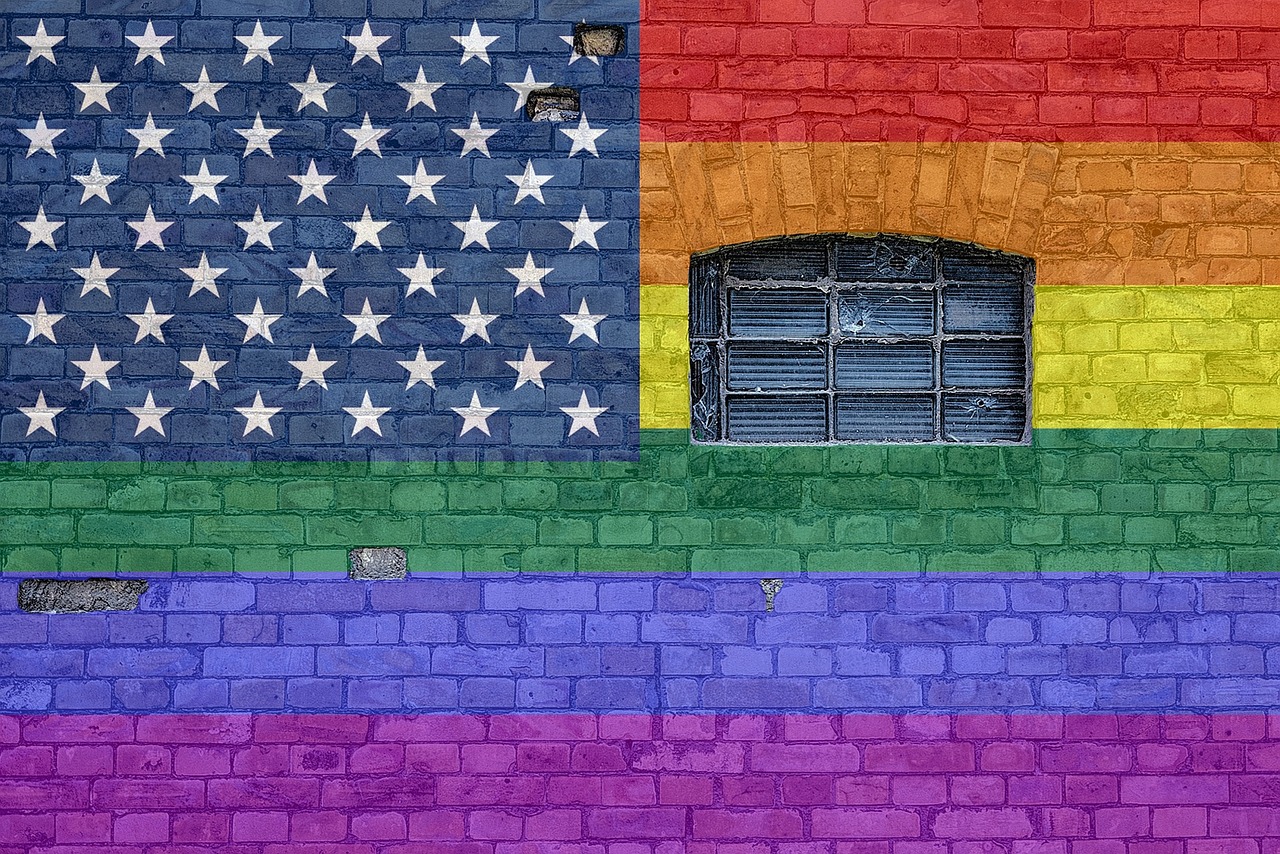
The display of Flags, while a deeply personal expression of heritage for some, raises complex legal and social considerations. In the United States, local laws on confederate flag displays vary widely, with some states and municipalities outright banning them from public spaces, while others allow them with certain restrictions. Many Southern states have laws that protect the flying of state and national flags, but these protections do not typically extend to confederate battle flags.
The legal landscape around confederate flags has evolved significantly, reflecting a broader societal shift in understanding their historical significance and contemporary relevance. Cases such as the Texas v. Johnson (1989) decision, which established the right to burn the American flag as free speech, have influenced how courts view the display of confederate flags. However, this right is not absolute; flags can be prohibited if they are used to incite violence or promote hatred, a crucial distinction that advocates on both sides of the debate must consider.
Socially, the debate over confederate flags has become deeply intertwined with discussions around race relations, historical revisionism, and the ongoing struggle for racial justice. Many anti-racist activists argue that confederate flags, with their association to white supremacy and slavery, serve as a symbol of oppression and should be removed from public spaces. In contrast, proponents of heritage preservation see the flags as a celebration of Southern culture and history, often shielding them under the banner of free speech and the right to honor their ancestors. This dichotomy has led to passionate public demonstrations, reflecting the nation's ongoing reconciliation with its complex history, particularly during events like National Black History Month.
Addressing these legal and social considerations requires a nuanced approach. Balancing the right to display heritage symbols with the need to protect public safety and avoid inflaming racial tensions is a delicate task. Local governments and institutions must engage in constructive dialogue, considering the historical context and community sentiments when deciding on the display of confederate flags. This process often involves curatorial decisions in civil war exhibits, where institutions must decide how to commemorate heroes beyond regional identifiers, ensuring that historical representation is responsible, respectful, and inclusive.
Reconciling the Past: Alternatives to Controversial Symbols

Reconciling the Past: Alternatives to Controversial Symbols
In addressing the display of Flags, it's essential to move beyond the binary of heritage or hate. While some view these flags as symbols of pride in their Southern roots, others see them as an insidious reminder of a nation built on slavery and white supremacy. The debate around Flags highlights a complex historical narrative, one that requires nuanced understanding and a commitment to reconciliation.
Instead of focusing solely on the removal or preservation of these flags, we should explore a broader range of alternatives that acknowledge the past without perpetuating its injustices. Attracting visitors with historical displays that go beyond contentious symbols can offer a more inclusive and educational experience. Museums and historical sites can create exhibits that examine the complexities of the American Civil War, its causes, and its consequences, including the emancipation of enslaved people and the struggles for civil rights that followed.
This approach respects the historical context while fostering a more profound understanding of the era. It invites visitors to engage with the past critically, encouraging them to consider the ongoing impact of the Confederacy's ideologies on contemporary society. By shifting the focus from symbols to stories, we can create spaces that promote dialogue, empathy, and a deeper appreciation for the ongoing fight for racial equality.
Frequently Asked Questions About Heritage vs. Hate
What is the difference between heritage and hate for confederate flags? The distinction lies in intent and context. Heritage refers to a proud connection to one's cultural past, often celebrated through symbols that represent historical events and figures. However, displaying confederate flags purely as a symbol of heritage can be problematic as it often trivializes the suffering and oppression caused by the Confederacy. Hate, on the other hand, involves using these symbols to promote or glorify racial supremacy, discrimination, and violence, intentionally inciting fear or hostility.
Why do confederate flags cause controversy? Confederate flags have become a potent symbol for both heritage and hate, leading to widespread controversy. For many African Americans, they evoke a painful history of slavery, segregation, and racial violence. Conversely, some white Americans view them as a celebration of their cultural heritage, often ignoring or minimizing the Confederacy's role in oppression. This clash of perspectives fuels public debate and protests.
How should confederate flags be displayed, if at all? Displaying confederate flags is a complex issue. They should never be used as a symbol of hate or to promote racial discrimination. If displayed for historical or cultural reasons, they should be placed in appropriate contexts, such as museums or historical sites, where they can be interpreted and discussed in an educational manner. Respect for different perspectives is crucial to avoiding harm.
What are some legal considerations for displaying confederate flags? Local laws regarding confederate flag displays vary widely. Some areas have banned them in public spaces due to their association with hate and discrimination. Others allow them with restrictions, like requiring historical context or limiting display locations. It's crucial to understand and respect local regulations and the potential impact of flag displays on different communities.
Are there appropriate contexts for confederate flag usage? Yes, but they are rare. Confederate flags can be displayed in historical settings, like museums or historical re-enactments, where they are part of an educational presentation about the Civil War era. However, these displays should include context that challenges simplistic narratives and acknowledges the flag's link to hate and oppression for many people.
How can we honor history without using confederate flags? There are numerous ways to commemorate and learn from history without relying on confederate flags. Focus on displaying artifacts and sharing stories that highlight the experiences of all people involved in historical events, including the struggle for freedom and equality. Public spaces can feature monuments or art installations that promote unity and celebrate the values of diversity and inclusion.
What is the role of confederate flags in modern art and popular culture? Confederate flags often appear in modern art as symbols of cultural appropriation or as a commentary on historical memory and identity. In popular culture, they can be used in cinema and literature to explore themes of heritage, nostalgia, and the complex legacies of the Civil War. However, their use should always be thoughtfully considered, avoiding romanticization or perpetuation of harmful stereotypes.
Heritage vs. Hate: Understanding the Difference
This section compares how heritage and hate can be expressed through symbols, focusing on the Confederate flag as a key example.
| Feature | Heritage | Hate |
|---|---|---|
| Key Features | Celebrating historical roots, cultural identity, and pride in heritage. | Propagating racial superiority, discrimination, and a desire to preserve a system of oppression. |
| Best Use Cases | Historical museums, cultural events, and personal expressions of family traditions. | Demonstrations, rallies, and the display of hate speech or symbols. |
| Strengths | Fosters a sense of belonging, preserves cultural memory, and allows for a nuanced understanding of history. | Offers a platform for voices of marginalized communities, promotes dialogue, and highlights the ongoing need for equality. |
| Limitations | Can be misused to promote cultural appropriation, ignore historical context, or exclude others. | Often associated with violence, racism, and the denial of civil rights. |
| Cost/Performance | Generally positive, enhancing understanding and promoting cultural sensitivity, but requires active effort to avoid misuse. | Typically negative, leading to social unrest, marginalization, and the perpetuation of systemic inequalities. |
Reconciling Heritage and Hate: A Community's Journey with Confederate Flags
Situation
In a small Southern town, the display of Confederate flags on private property sparked a contentious debate. Residents, particularly those of African American descent, expressed deep offense and fear, citing the flags as a symbol of a violent and oppressive past. Others, including many white residents, defended the flags as a representation of regional heritage and pride. This division threatened to tear the community apart, hindering efforts to foster racial reconciliation and progress.
Action
Local leaders and community members organized a series of public workshops and roundtable discussions aimed at fostering open dialogue and understanding. These events encouraged residents to share their personal experiences, historical research, and perspectives on the flags' significance. Key stakeholders, including historians, cultural experts, and religious leaders, were invited to participate, providing nuanced insights into the complex history behind the symbols.
A task force was formed to develop guidelines for appropriate flag display. This group, comprised of diverse community members, proposed specific regulations for public spaces and private property, emphasizing respect for historical context and sensitivity to current social realities. The task force also recommended educational initiatives to teach the history of the Civil War and Reconstruction era, focusing on the experiences of all Americans, particularly African Americans.
Result
Over the course of several months, the town saw a significant shift in attitudes towards the Confederate flags. Participation in the workshops and roundtables was well-attended, with many residents expressing newfound appreciation for the complexities of the issue. The task force's guidelines were widely accepted and implemented, leading to a reduction in flag displays, particularly in public spaces.
The educational initiatives had a measurable impact. School districts introduced comprehensive curriculum updates, incorporating more nuanced narratives of the Civil War and Reconstruction. This resulted in higher student engagement and improved understanding of historical events, fostering a more inclusive and empathetic environment. The community's efforts were recognized nationally as a model for resolving conflicts over historical symbols, inspiring other towns to follow suit.
Quick Reference
- Understand the historical context: Recognize the Confederacy's role in the Civil War and its complex legacy.
- Distinguish between heritage and hate: Respect historical connections, but reject using symbols to promote racial superiority.
- Identify offensive symbols: Learn to recognize Confederate flags and other iconography that incite division.
- Promote dialogue and education: Encourage open conversations to address historical wounds and promote understanding.
- Advocate for inclusive spaces: Support public spaces free from symbols that perpetuate racial hate.
- Respect personal connections: Acknowledge family traditions, but challenge the display of hate symbols.
- Question artistic license: Distinguish between historical accuracy and artistic interpretation, especially in modern media.
- Seek truth and reconciliation: Uncover hidden narratives and work towards a society that values all its history.
The flags, deeply rooted in the American Civil War, serve as a complex symbol with varied interpretations. While some view them as a sign of regional heritage and pride, others see them as a stark reminder of white supremacy and slavery. The historical context is crucial to understanding why these flags have become controversial, with their association to the Southern Confederacy's fight for secession and its impact on the nation's trajectory. The legal and social considerations surrounding their display highlight the delicate balance between preserving history and addressing hate. By examining the symbolism and misinterpretations, we uncover the fine line between tribute and insult. Reconciling the past involves recognizing the harm these flags can cause and considering alternatives that celebrate history without perpetuating hate. Through education, cultural impact, and thoughtful dialogue, we can strive to honor the past while moving towards a more inclusive future.
Flags: Historical Context, Evolution, and Modern Sensitivity
The flags are inextricably linked to the American Civil War (1861-1865), representing a period of slavery and states' rights. Their symbolism has evolved significantly since the war, with modern interpretations varying widely. Today, these flags spark intense debate due to their association with racial inequality and the Confederacy's defense of slavery. Their display, especially in public spaces, raises concerns about historical sensitivity, cultural appropriation, and the ongoing struggle for racial equality. Understanding the historical context and evolving meanings of Flags is crucial for navigating their controversial presence in modern society.