
Key Takeaways
- Black History Month offers a crucial opportunity to explore and celebrate the rich cultural heritage of African Americans.
- Understanding the symbolism and history behind confederate flags is essential for navigating their controversial display.
- The context of flag usage matters; what may be acceptable in a historical setting can be deeply offensive in modern public spaces.
- Many families display confederate flags due to personal connections, family traditions, and a desire to honor their historical era.
- Alternatives to controversial symbols, such as non-flag displays and historical storytelling, can promote inclusivity and respect.
- Reconstructing the past through artifacts and tattoos allows individuals to connect with and express their personal historical narratives.
- The role of institutions in representing history is critical; responsible curatorial decisions can foster a more nuanced understanding of the past.
Black History Month focuses on celebrating and learning about the achievements and contributions of African Americans. This includes exploring the complex history of the Confederacy, its symbols, and their ongoing impact. Understanding the historical context of flags, their meanings, and the stories they represent is crucial for reconciling the past while honoring diverse cultural legacies.
In recognition of National Black History Month, this article examines the complex and contentious issue of Confederacy Flags. The Civil War and the Southern Confederacy remain potent symbols, resonating through American history and contemporary society. These flags, once emblematic of a pro-slavery, white-supremacist cause, continue to provoke heated debate, with many seeing them as a preservation of heritage and others as a representation of racial oppression and oppression. This article explores the historical context that birthed these symbols, the ongoing controversy surrounding their display, and offers solutions for navigating this sensitive topic, particularly during Black History Month.
- Understanding Confederacy Flags: Historical Context
- Symbolism and Sensitivity: The Modern Debate
- Legal Considerations: Displaying Controversial Flags
- Black History and Cultural Heritage: Honoring Without Offense
- Reconciling Past and Present: Moving Beyond Symbols
Understanding Confederacy Flags: Historical Context

The Confederacy Flags, a potent symbol of the American Civil War, hold a complex and contested place in modern America, especially during Black History Month. To truly understand their significance, we must examine the historical context of the Southern Confederacy and the war that tore the nation apart.
The American Civil War, fought from 1861 to 1865, was a brutal conflict between the Union (the Northern states) and the Confederacy (the Southern states), primarily over the issue of slavery. The Confederacy, a collection of secessions states who seceded from the Union, adopted the rebel flag, later known as the Confederate battle flag, as a symbol of their newfound independence and a representation of their fight for states' rights. This flag, with its red, white, and blue design, became an iconic emblem for the South, often associated with white supremacy and resistance to the Emancipation Proclamation.
However, these flags also tell personal stories, serving as a connection to history for some, particularly those with Southern heritage. For them, the flag represents a complex mix of familial pride, regional identity, and a link to their ancestors who fought in the war. This narrative highlights the importance of understanding the personal and collective memories tied to such symbols. As we observe Black History Month, it is crucial to acknowledge the painful legacy of slavery and the ongoing struggle for racial equality while recognizing the nuanced perspectives surrounding the Confederacy and its flags. This balanced approach to historical interpretation allows us to construct a more accurate and inclusive narrative, one that respects the past while promoting a brighter future.
Symbolism and Sensitivity: The Modern Debate

Black History Month serves as a crucial opportunity to examine and discuss the intricate history of the Confederacy and its modern symbols. The debate surrounding Confederacy flags has evolved from a regional to a national, and international conversation, with profound implications for public spaces, cultural heritage, and racial reconciliation.
These flags, once prominent emblems of the Southern states during the American Civil War, have become potent symbols of white supremacy and a source of intense controversy. Today, their display raises complex questions about historical memory, regional identity, and the role of public spaces in representing diverse narratives. Public demonstrations over historical symbols, including the removal of Confederate monuments and flag displays, highlight the ongoing struggle to reconcile the past with the present. The debate transcends mere aesthetics; it is a deeply emotional and political discussion about the nation's commitment to equality and the eradication of racial symbolism that perpetuates harm.
Understanding the symbolism behind Confederacy flags is essential for navigating this debate. For some, they represent a connection to ancestral heritage and a refusal to erase history, while others see them as a stark reminder of oppression and a barrier to racial progress. This dichotomy is further complicated by the fact that the flags have been co-opted by white nationalist groups, adding a layer of extremist ideology to the discussion. The interpretation and display of Confederacy flags must be approached with sensitivity, recognizing their multifaceted history and the varied perspectives they evoke. This nuanced understanding is essential for fostering constructive dialogue and moving towards a more inclusive society.
Legal Considerations: Displaying Controversial Flags
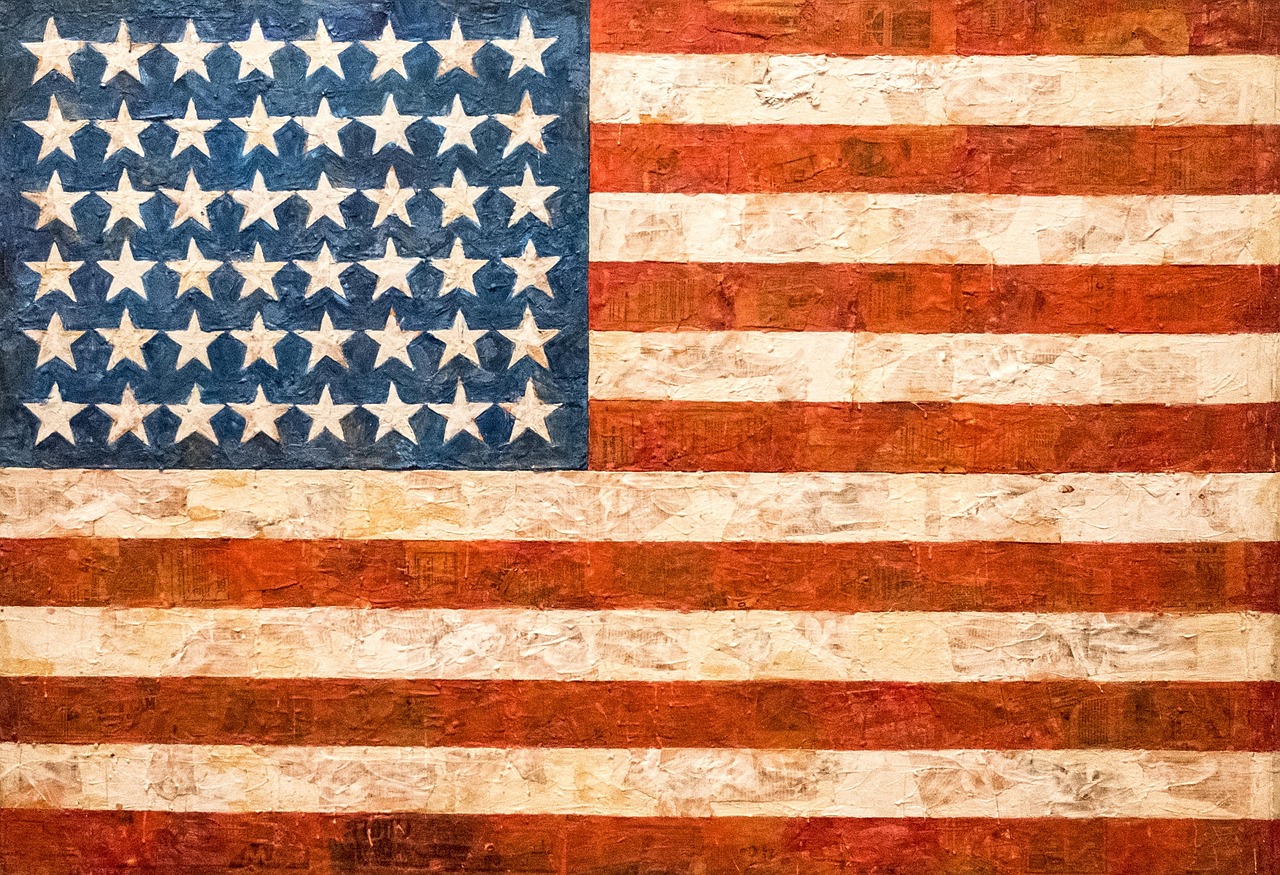
The legal landscape surrounding the display of Confederacy flags has become a focal point of Black History Month discussions, highlighting the complex interplay between historical commemoration and contemporary social justice. While these flags hold significant historical value for some, they are widely recognized as symbols of white supremacy and racial oppression, leading to intense debate.
In many public spaces, displaying a Confederacy flag can be a legal minefield. In the United States, for instance, there's no federal law against flying Confederate banners, but local laws vary widely. Some states have passed legislation prohibiting the display of Confederate flags on government property, aiming to create a clear separation between historical remembrance and perpetuation of racial harm. These laws reflect a growing recognition that certain symbols, while part of history, can evoke profound pain and anger among communities directly affected by slavery and systemic racism.
The debate extends beyond public spaces to the realm of contemporary art using Confederate motifs. Artists may draw inspiration from history, but they also have a responsibility to navigate the sensitive nature of these symbols. Using Flags in modern art requires a nuanced approach, especially when exploring themes of identity, heritage, and racial reconciliation. While some artists employ these motifs to spark conversation and challenge narratives, others face criticism for trivializing or glorifying a history of oppression. Balancing artistic expression with respect for marginalized communities is a delicate task, one that requires a deep understanding of the historical context and the potential impact on viewers.
Black History and Cultural Heritage: Honoring Without Offense

Black History and Cultural Heritage: Honoring Without Offense
The display and interpretation of Flags during Black History Month is a complex and sensitive issue, requiring a nuanced understanding of historical context, cultural symbolism, and ongoing debates about representation. While these flags hold significant historical weight as symbols of the American Civil War and the Southern Confederacy, their modern use, particularly by white supremacist groups, has led to widespread controversy. During Black History Month, it becomes crucial to explore the nuances of their symbolism, the historical context they represent, and the potential for perpetuating harm or honoring cultural heritage.
Rather than simply removing or banning these flags, a more constructive approach involves placing them within a broader historical narrative that recognizes the brutal realities of slavery, segregation, and the ongoing fight for civil rights. This means understanding the flags as artifacts of a dark period in American history, serving as reminders of the struggle for emancipation and the ongoing fight against systemic racism. Educational institutions, museums, and public spaces can play a pivotal role in this process by providing context, encouraging dialogue, and fostering an environment where visitors can grapple with the complex emotions and historical legacies associated with these symbols.
Black History Month offers an opportunity to highlight the diverse cultural expressions and achievements of African Americans, often overshadowed or misrepresented in traditional history lessons. By focusing on the resilience, creativity, and contributions of Black communities, we can foster a more inclusive and accurate understanding of history. This includes recognizing the ways in which Flags, despite their controversial nature, have influenced modern cultural expressions, such as in art, literature, and even body art. However, it is crucial to differentiate between personal expressions of cultural heritage and the use of these symbols as a means of perpetuating racial hatred and discrimination.
Reconciling Past and Present: Moving Beyond Symbols

In addressing the display of Flags during Black History Month, a nuanced approach is essential to reconciling past injustices with the present reality of racial equality. While these flags have deep historical roots, their continued use, especially in public spaces, can evoke painful memories for many. This tension highlights the need for a thoughtful, balanced, and inclusive dialogue on how we remember and interpret the American Civil War and its aftermath.
Resolving conflicts over flag displays requires a nuanced understanding of historical context. The Confederacy, as a region that seceded to preserve a system of slavery, represents a dark chapter in American history. The flags associated with it, like the Confederate battle flag, have been appropriated by various groups over time, including those advocating for white supremacy. However, they remain symbols of oppression for many African Americans, reminding them of a legacy of discrimination and violence. Black History Month provides an opportunity to educate the public about these painful legacies, encouraging a critical examination of the symbols that represent them.
A constructive path forward involves shifting the focus from the flags themselves to the stories and values they represent. By teaching about the Civil War, the Emancipation Proclamation, and the Civil Rights Movement, we can foster a deeper understanding of the nation's struggle for equality. This approach allows for the preservation of historical memory while promoting a more inclusive national narrative. Museums can display artifacts and interpretive materials that contextualize the war, explaining the complex motivations behind secession and the brutal realities of slavery. This contextualization can help visitors understand the origins of the flags while recognizing their ongoing controversial nature.
It's crucial to involve diverse voices in these discussions. Engaging with communities historically affected by slavery and the Confederacy, such as African American heritage groups and civil rights organizations, ensures that their perspectives are heard and respected. These conversations can lead to more responsible curating and display of artifacts, including Confederate flags, in museums and public spaces. By acknowledging the past while actively working towards a more equitable future, we can begin to heal the wounds left by the Confederacy's legacy, moving beyond simple symbolism to a deeper understanding and appreciation of our shared history.
Quick Reference
- Identify the historical context: Understand the Confederacy's role in the Civil War and its significance in Black History.
- Distinguish between symbols: Learn to differentiate between Confederate flags and other historical banners to avoid misinterpretation.
- Respect cultural sensitivity: Recognize that Confederate flags can be deeply offensive to African Americans and those who mourn racial inequality.
- Check local laws: Familiarize yourself with regulations regarding flag displays in public spaces to avoid legal issues.
- Consider appropriate contexts: Only display Confederate flags in places that honor historical memory while promoting unity and respect.
- Avoid insensitivity: Never use Confederate flags to promote white supremacy, cultural appropriation, or to insult marginalized communities.
- Engage in constructive dialogue: Participate in discussions about flag displays with an open mind, emphasizing understanding and reconciliation.
- Explore alternative representations: Support museums and historical sites that commemorate the Civil War without relying solely on controversial symbols.
- Educate and listen: Engage with diverse perspectives on the meaning and impact of Confederate flags to foster a deeper understanding of history.
Frequently Asked Questions About Black History Month Focus
What is Black History Month? Black History Month, observed every February, is a time to celebrate the achievements and contributions of African Americans throughout history. It also serves to educate the public about the African American experience, including their struggles, triumphs, and cultural richness. This month-long observance aims to foster a deeper understanding of Black history and promote racial equality.
Why is Black History Month important? Black History Month is crucial for acknowledging and preserving the often-overlooked or marginalized stories of African Americans. It offers an opportunity to highlight their significant roles in fields like science, arts, politics, and civil rights movements. By teaching about Black history, we can combat stereotypes, promote cultural awareness, and foster inclusivity in our communities.
How should I observe Black History Month? There are numerous ways to participate. You can start by learning about influential Black figures from the past and present. Attend local events, exhibitions, or film screenings focused on Black history. Engage in conversations with friends and family, read books by Black authors, or visit museums showcasing African American culture and history. Sharing resources and organizing discussions can also contribute to a meaningful observance.
What are some key events or figures in Black History? The history of African Americans is vast and diverse. Notable events include the Underground Railroad, the Civil Rights Movement, and the Harlem Renaissance. Iconic figures range from Frederick Douglass, a renowned abolitionist, to Dr. Maya Angelou, a celebrated poet and civil rights activist. Exploring these and many other milestones helps us understand the complex narrative of Black history.
How can I be respectful and sensitive during Black History Month? Respect and sensitivity are paramount. Listen to and amplify Black voices, ensuring their experiences and perspectives are at the forefront. Avoid reducing the month to a single theme or focusing solely on negative narratives. Celebrate the achievements and contributions of Black individuals and communities while acknowledging the ongoing fight for equality. Engage in open dialogue, educate yourself, and support initiatives that promote racial justice.
Comparing Different Approaches to Celebrate and Educate During Black History Month
This table compares three different approaches to celebrating and educating about Black History during Black History Month: museums, community events, and online resources.
Bridging Divisions: A Community's Approach to Reconciling Confederate Flag Disagreements During Black History Month
Situation
In a small southern town, Black History Month celebrations were overshadowed by growing tensions surrounding the display of Confederate flags. Local residents, many of whom were descendants of the Confederacy, were deeply divided. Some saw the flags as a symbol of regional pride and heritage, while others considered them a painful reminder of slavery and racial oppression. Tensions escalated during community events, leading to heated debates and even physical altercations. The town's mayor sought a peaceful solution, recognizing the need for a dialogue that honored both historical perspectives and promoted racial healing.
Action
The mayor organized a series of public meetings facilitated by a local community center and supported by a team of cultural mediators and historians. These meetings aimed to create a safe space for open, respectful conversations. Participants were encouraged to share their experiences, express their views, and actively listen to others. The facilitators stressed the importance of understanding the historical context of the Confederate flag, both as a symbol of war and as a contentious emblem in contemporary America.
The community center also hosted a series of educational workshops on topics such as:
- Reconstruction Era History: Exploring the complex and often painful process of rebuilding the nation after the Civil War.
- Civil War Flag Identification: Teaching participants how to distinguish between various Civil War flags, focusing on their construction, symbolism, and historical significance.
- Cultural Sensitivity and Respect: Encouraging participants to consider the emotional impact of historical symbols on different communities.
A local art gallery hosted an exhibition showcasing modern interpretations of Civil War symbols, inviting artists to express their perspectives on the flag's meaning in today's society.
Result
Over the course of several weeks, these efforts resulted in:
In reflecting on Black History Month, the debate around Flags serves as a powerful lens to examine our nation's complex past and ongoing efforts to reconcile historical wounds. These flags, once emblematic of a region's secessions and a system of white supremacy, have become symbols of intense controversy, sparking vital conversations about sensitivity, heritage, and racial justice.
Through Black History Month, we have an opportunity to understand the historical context behind these flags, from the American Civil War to the Emancipation Proclamation and the ongoing Civil Rights Movement. This knowledge is crucial for discerning the symbols' evolution and their lasting impact on society.
The legal landscape surrounding flag displays further complicates the issue. Local governments grapple with balancing the right to free speech with the need to protect public safety and respect for marginalized communities. The debate often revolves around whether and where these flags can be displayed, highlighting the delicate nature of handling such controversial symbols.
Black History Month encourages us to honor the past without perpetuating its most harmful legacies. This means recognizing the role of these flags in a dark chapter of our history while actively working to dismantle any remnants of racism and discrimination they may represent. By understanding the symbolism, engaging in constructive dialogue, and embracing non-flag displays, we can honor the past and move forward as a more inclusive society.
The flags, powerful symbols of the American Civil War (1861-1865), are deeply ingrained in US history, reflecting the nation's struggle over slavery. Understanding their significance requires exploring the war's roots, its impact, and the ongoing debates surrounding their display, especially during Black History Month. These flags, representing the Southern Confederacy, evoke complex emotions, serving as a reminder of both the nation's division and the enduring struggle for racial equality. Their contemporary use remains controversial, sparking discussions on cultural sensitivity, historical interpretation, and the role of symbols in society.