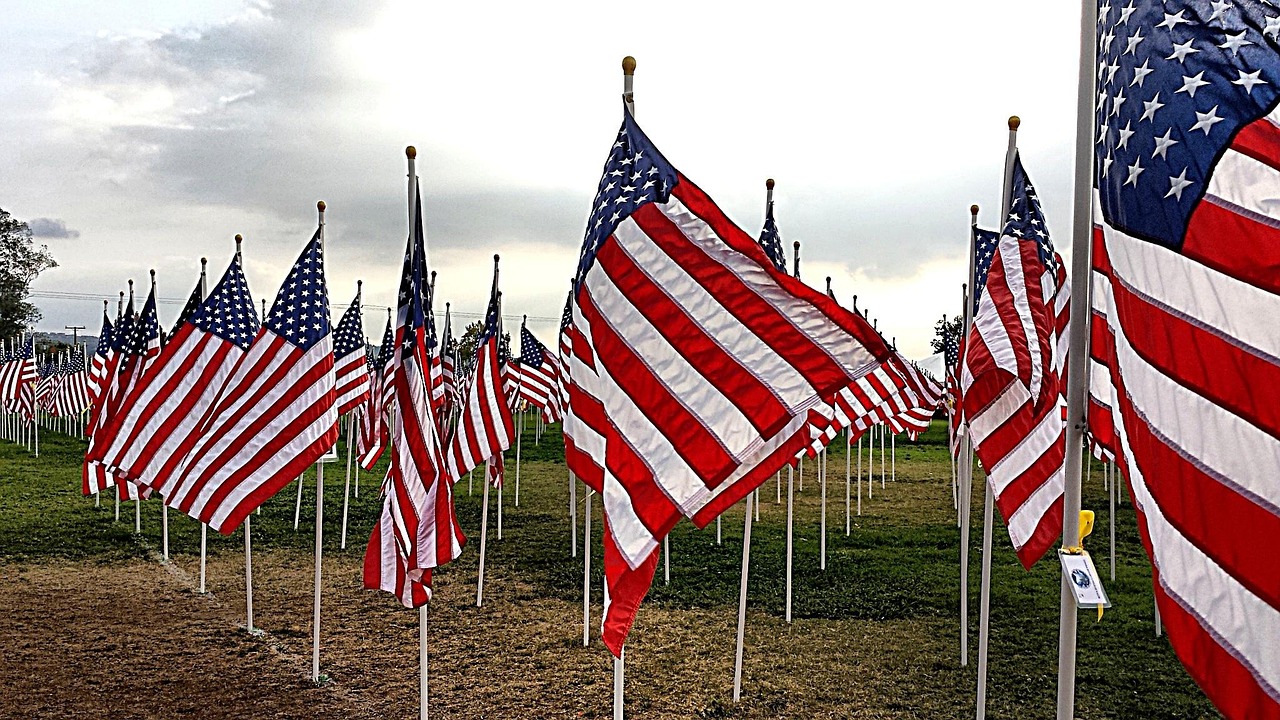
Debating the display of confederate flags highlights a delicate balance between historical remembrance and cultural sensitivity. While some see them as symbols of regional pride, others find them offensive, representing a painful past of slavery and racial oppression. This debate is especially heated in public spaces, schools, and museums, where the meaning and appropriateness of confederate flags are closely scrutinized.
Key Takeaways
- Confederate flags evoke powerful emotions and represent complex historical narratives.
- Understanding their symbolism is crucial for navigating modern debates and their impact.
- The flags' usage continues to spark public demonstrations and cultural sensitivity discussions.
- Legal considerations and local governments play a role in regulating flag displays.
- Alternatives to Confederate symbolism can help honor history while promoting unity.
- Museums and personal collections face challenges in displaying and preserving these artifacts responsibly.
- Body art featuring Confederate motifs can convey personal stories and historical perspectives.
The modern debate around Confederacy Flags, remnants of the American Civil War and the Southern Confederacy, reflects a complex interplay of historical interpretation, cultural identity, and racial politics. These flags, once symbols of secession and white supremacy, now spark fierce debate in public spaces and social media, with some championing them as a preservation of regional heritage, while others view them as an offensive reminder of slavery and racism. This article examines the historical context, legal considerations, cultural impact, and evolving social discourse surrounding Confederacy Flags, offering insights into the delicate balance between honoring history and promoting inclusivity in modern society. By examining various perspectives, we aim to provide a practical guide to navigating this contentious issue.
- Understanding Confederacy Flags: Historical Context
- Modern Debate: Displaying & Interpreting Flags
- Cultural Sensitivity & The Role of Education
Understanding Confederacy Flags: Historical Context

The Confederacy Flags, a powerful symbol of the American Civil War, carry a complex and often contentious history. To understand their modern debate and use, we must examine the historical context of the Southern Confederacy and the war's aftermath. These flags, once flown by the secessions states, represented the cause of states' rights and, for many, a defense of slavery. The Confederate battle flags, with their distinctive designs, became emblems of regional identity and pride for some, while they evoke a stark reminder of white supremacy and racial injustice for others.
The visual history of the Confederacy is a mix of regional allegiances and the struggle for freedom. The flags, as artifacts, offer a glimpse into the social and political climate of the time, reflecting the diverse interpretations of secession. The "St. George Cross" variant, inspired by the British flag, was adopted by some southern states, while others favored the more distinct "Confederate Stars and Bars." Understanding these regional differences is crucial to appreciating the varied perceptions of confederate symbolism.
Exploring the historical context behind these flags reveals their role in the Civil Rights Movement and the ongoing struggle for racial equality. As symbols, they have evolved from representing a lost cause to becoming focal points for both pride and protest. The debate surrounding confederate flags in public spaces, education, and cultural institutions underscores the ongoing need to confront and interpret this complex history. The question of whether these flags should be flown, displayed, or banned reflects a broader discussion about memory, reconciliation, and the sensitivity required when addressing a painful past.
Modern Debate: Displaying & Interpreting Flags

Modern Debate: Displaying & Interpreting Confederacy Flags
The display and interpretation of Confederacy flags have become a complex and highly debated topic in modern society. These flags, once symbols of the Southern Confederacy during the American Civil War, now serve as potent reminders of a turbulent historical period. The question of whether and how to display them has sparked intense discussions, reflecting broader cultural and political shifts.
Appropriate contexts for Confederate flag usage are at the heart of this debate. Some argue that these flags represent a legacy of regional pride and heritage, while others view them primarily through the lens of white supremacy and racial oppression. The interpretation of these flags as symbols of resistance against federal authority or as a celebration of a pro-slavery society has profound implications. The rise of Black Lives Matter movements and a renewed focus on racial justice have prompted a re-examination of Confederate symbolism. Many institutions and individuals have chosen to remove or interpret these flags in a way that acknowledges their past and present connotations.
Comparing the use of Confederate flags to other historical banners is essential for understanding the complexity of this issue. While some flags from past conflicts are displayed as a commemoration of history, others are considered offensive due to their association with atrocities or discrimination. The context in which a flag is flown or displayed plays a crucial role in its interpretation. A flag representing a military regiment's heritage might be seen differently than a flag used to promote a political ideology that marginalizes certain groups. This distinction highlights the need for nuanced discussions and thoughtful considerations when displaying symbols with such powerful historical resonances.
Cultural Sensitivity & The Role of Education

The debate surrounding the display of Flags has evolved, shifting from purely historical to deeply cultural and social territory. Honoring history without offense becomes a delicate task when dealing with symbols like Flags. While some view them as a tribute to their ancestors and the region's heritage, others see them as a stark reminder of systemic racism and oppression. This dichotomy highlights the crucial role of education in fostering cultural sensitivity and understanding.
Education plays a pivotal role in mediating this debate by providing a platform for critical analysis and contextual understanding. In classrooms, history textbooks often explore the complex legacy of the Civil War and the Confederacy, encouraging students to critically examine the symbolism and the broader social implications of these flags. This approach allows for a nuanced perspective, recognizing the flags' historical significance while also acknowledging their contemporary associations with white supremacy. By engaging in open discussions, educators can facilitate a deeper understanding of the pain and marginalization experienced by marginalized communities, fostering empathy and a commitment to anti-racist principles.
Education extends beyond the classroom. Public spaces, museums, and cultural institutions have a responsibility to address the display of Flags, ensuring they do so with sensitivity and historical accuracy. Museums might choose to display artifacts from the era while also presenting interpretations that highlight the conflict's racial dimensions, thereby encouraging visitors to question and reflect upon the complex history represented by these symbols. This approach respects historical context while promoting a more inclusive and progressive narrative, ensuring that the Confederacy is not romanticized or glorified but instead remembered for its role in shaping the nation's trajectory, both positively and negatively.
Quick Reference
- Consider the Occasion: Choose a flag that aligns with the event or holiday, whether it's patriotic, historical, or cultural.
- Understand Symbolism: Familiarize yourself with the meaning of symbols on the flag to ensure it resonates with your intended message.
- Check Quality: Look for high-quality materials and construction to ensure longevity, especially for outdoor flags.
- Size Matters: Select a flag that fits the display space; larger flags are often more visually impactful.
- Display Properly: Learn the correct way to fly a flag to show respect, following flag etiquette guidelines.
- Maintain Regular Care: Regular cleaning and storage practices help flags last, preserving their vibrancy.
- Personalize for Impact: Add a unique touch with custom designs or text to make your flag stand out.
- Respect Local Rules: Be aware of any local flag display regulations and respect cultural sensitivities.
- Support Local Businesses: Consider purchasing from a patriotic flag store for a diverse selection and excellent customer service.
Frequently Asked Questions About Modern Debate and Use
What is modern debate about? Modern debate revolves around the evolving role of arguments, rhetoric, and communication in society, particularly in the digital age. It explores how we form and express opinions, the impact of media and technology on discourse, and the effectiveness of various persuasive techniques. Topics range from political discourse and online communication to the ethics of public speaking and the power of storytelling.
Why has debate become more complex? The complexity of debate has increased due to several factors. Firstly, the advent of social media and digital communication has led to a proliferation of voices and sources, making it harder to discern fact from fiction. This explosion of information has also resulted in more nuanced and specialized arguments, requiring a deeper understanding of complex issues. Cultural and political polarization has created echo chambers, where people are exposed primarily to viewpoints that reinforce their own, further complicating the debate landscape.
How does technology impact modern debate? Technology has both enhanced and complicated modern debate. On the one hand, it facilitates global communication, enabling diverse perspectives to be shared and debated instantly. Online platforms allow for the rapid dissemination of information, promoting public engagement and participation in discussions. However, it also presents challenges, such as the spread of misinformation, echo chambers, and the lack of fact-checking, which can distort debates and undermine the integrity of arguments.
What are some common forms of modern debate? Modern debate encompasses various formats, including public speaking, online forums, social media discussions, academic papers, and political speeches. Public debates and panels bring together experts and stakeholders to exchange ideas on specific topics. Online debates, often facilitated by social media groups or forums, allow for broader participation and real-time interaction. Academic debates, common in educational settings, encourage critical thinking and the exploration of diverse viewpoints through structured argumentation.
How does cultural diversity influence debate? Cultural diversity enriches debate by introducing a wide range of perspectives, experiences, and worldviews. It promotes cross-cultural understanding and challenges monocultural assumptions. However, it can also lead to misunderstandings and miscommunications due to differences in language, values, and communication styles. Effective debate in a diverse setting requires sensitivity, active listening, and a willingness to consider alternative viewpoints.
Revitalizing Community Engagement with Modern Patriotic Flag Displays
Situation
A small town's downtown area had become stagnant, with declining foot traffic and a lack of community events. The local patriotic flag store noticed a corresponding dip in sales, suggesting a disconnection between the community and the patriotic symbols that once filled the streets. The store owner sought to re-engage residents and restore a sense of national pride, but struggled to find an innovative approach that would resonate with modern times.
Action
The patriotic flag store owner partnered with the local chamber of commerce and community leaders to revitalize the downtown area with a dynamic, modern flag display. They designed a rotating series of displays featuring not only the American flag but also flags of other countries, representing the diverse community and promoting global understanding. The displays were accompanied by educational panels highlighting the history and symbolism of each flag.
To ensure community involvement, the project was made interactive. Local schools were invited to submit designs for special flags that would be featured in the display, fostering a sense of ownership among students and their families. The store offered discounted flags and accessories to families who participated, encouraging broader community adoption.
Result
Sales at the patriotic flag store climbed by 40%, indicating a stronger connection between the community and patriotic symbols. The success of the initiative led to increased community spirit and a renewed sense of pride, with plans to expand the program to other community events and locations.
Comparing Modern Flag Display Technologies
This section compares several modern approaches to displaying and celebrating flags, highlighting their key features, ideal use cases, strengths, limitations, and value for money.
| Feature | Smart Flag Poles | Automated Flag Displays | Digital Flag Systems |
|---|---|---|---|
| Key Features | Remote-controlled, weatherproof poles with integrated sensors and app connectivity. | Motorized flag raising and lowering, often with pre-programmed displays. | LED displays featuring digital images or animated flags, controllable via software. |
| Best Use Cases | Ideal for outdoor patios, gardens, and small public spaces. Offers flexibility and ease of use. | Suited for larger public spaces, parades, and events. Enables dynamic and synchronized flag presentations. | Best for high-profile locations like flag poles, monuments, and large public gatherings. Enhances visual impact with dynamic graphics. |
| Strengths | Easy to install and operate. Durable construction for outdoor use. Offers customizable schedules and remote monitoring. | Impressive visual effect with precise timing and coordination. Can be programmed for specific events and holidays. | High visual impact and flexibility for displaying complex graphics. Can be integrated with other digital systems for synchronized displays. |
| Limitations | Limited to raising and lowering the flag. May require manual intervention for certain events. More suitable for simple displays. | Can be complex to set up and program. Requires maintenance and potential replacement of mechanical parts. | Can be expensive to purchase and install. Requires reliable internet connection for operation. |
| Cost/Performance | Generally affordable, with a range of price points depending on features. Offers good value for personal and small-scale use. | Mid-range to high-end pricing, reflecting complexity and durability. Cost-effective for large-scale public displays. | High upfront cost, but offers exceptional visual impact and flexibility. Best suited for high-profile, budget-allowing installations. |
The modern debate surrounding Flags is a complex interplay of historical interpretation, cultural sensitivity, and legal considerations. As these flags continue to be displayed, their meaning has evolved, sparking intense discussions. The article highlights the importance of understanding the historical context, such as the American Civil War and the Southern Confederacy, to grasp why these flags hold such weight. The legal aspects, including debates around flag display rules and regulations, underscore the need for cultural sensitivity.
Education plays a crucial role in navigating this debate. By including the legacy of the Civil Rights Movement and the ongoing struggle for equality, we can foster a deeper understanding of the symbolism and its impact. This knowledge is essential for both historical accuracy and promoting anti-racist attitudes.
Practical next steps include engaging in open dialogue, encouraging critical thinking about historical narratives, and supporting educational initiatives that examine the multifaceted nature of Flags. Through these efforts, we can move towards a more inclusive and informed society, where the display of such symbols is accompanied by an understanding of their complex history.
Understanding & Interpreting Flags
The flags, powerful symbols of the American Civil War, carry a complex history. Their modern debate revolves around regional pride versus racial injustice, with varying interpretations as cultural and social contexts shift. Displaying these flags has become a contentious issue, prompting institutions to remove or contextualize them. Education plays a crucial role in fostering understanding, encouraging critical analysis, and acknowledging the flags' historical and contemporary associations. The debate reflects a broader need to confront and interpret a painful past, ensuring that symbols of the Confederacy are remembered accurately and sensitively.