
Key Takeaways
- Understanding the historical significance of flags is crucial for preserving their cultural value.
- Restoring old flags not only preserves history but also fosters community pride and involvement.
- Comparing international flags exposes us to diverse cultural symbols and reinforces global understanding.
- Personalized flags for events create a unique sense of identity and community, strengthening flag heritage.
- Displaying flags with honor and respect reflects a commitment to upholding their symbolic meaning.
- Choosing high-quality flags from reputable manufacturers ensures longevity and maintains flag integrity.
Flag heritage and preservation are crucial for honoring our history and fostering national pride. The American flag, with its symbols and colors, represents our country's values and past. To preserve its integrity, we should follow proper display guidelines, such as flying it at the right height and ensuring it's clean. Regular cleaning and storage practices, along with repair when torn, help maintain its beauty and meaning for future generations.
Flag heritage and preservation are essential components of understanding our shared history and cultivating a respectful, inclusive society. While flags can represent pride, identity, and community, their display and interpretation can also stir debate. This article examines the complex issue surrounding the display of Confederacy flags, a symbol laden with historical significance, controversy, and ongoing cultural debate. We explore the historical context of the American Civil War and the Southern Confederacy, the symbolism embedded in these flags, and the legal, social, and educational implications of their preservation. By examining these aspects, we aim to provide a comprehensive understanding of the challenges and opportunities in preserving historical artifacts while promoting a dialogue that is informed, respectful, and constructive.
- Understanding Confederacy Flags: Historical Context
- Preserving and Interpreting Civil War Banners
- Debating Public Displays: Respect vs. Offense
- Balancing Heritage: Modern Context and Sensitivity
Understanding Confederacy Flags: Historical Context
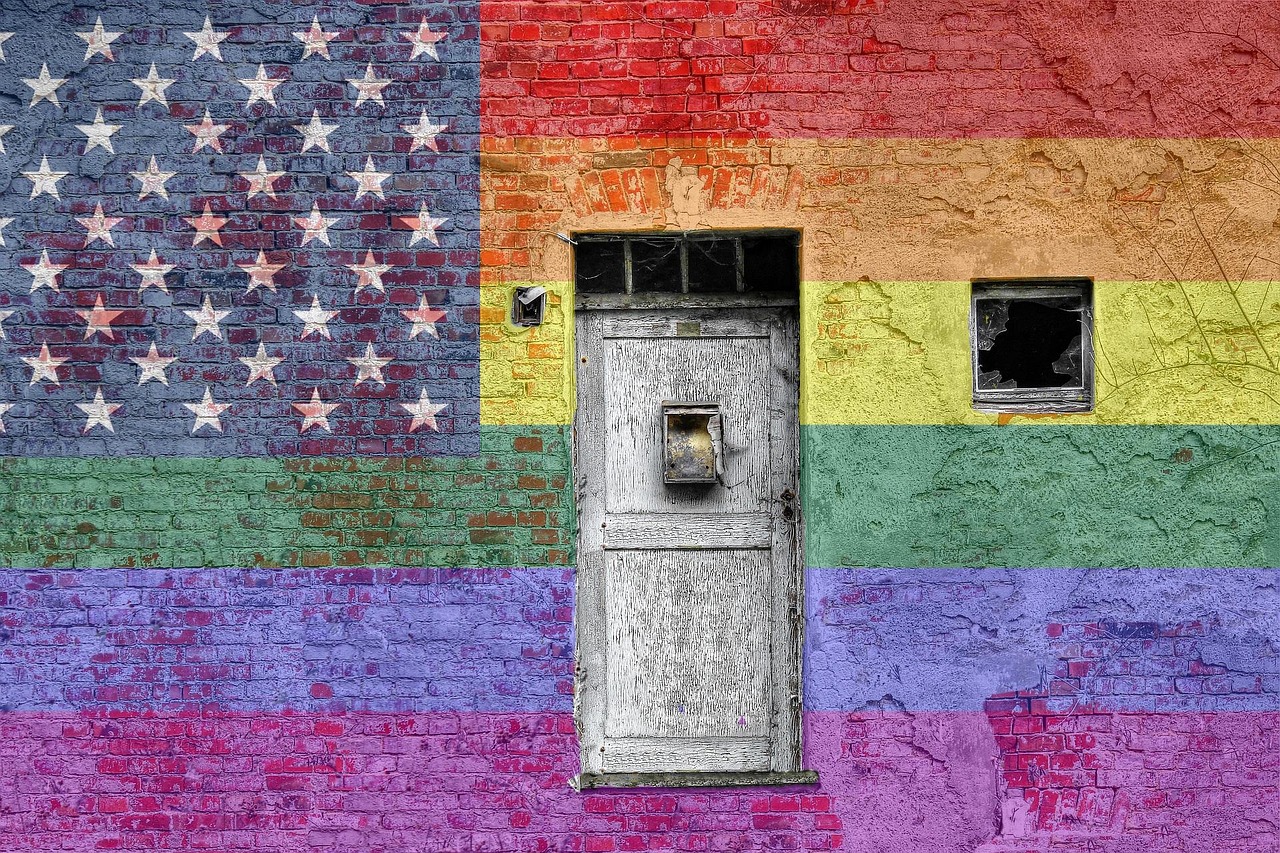
The Confederacy Flags, deeply rooted in the historical context of the American Civil War, serve as a complex symbol with varied interpretations. These flags, representing the Southern Confederacy, were not merely emblems of a defeated nation but held profound significance for many in the South, reflecting a blend of regional identity, loss, and pride. The Civil War, culminating with the Emancipation Proclamation and the eventual defeat of the Confederacy, was a pivotal moment in American history, forever changing the nation's social, political, and economic fabric.
Understanding the Confederacy Flags requires a nuanced approach, as they are often viewed through the lens of both historical preservation and racial sensitivity. While some see them as a celebration of southern heritage and a sign of the resilience of a region, others perceive them as a lingering symbol of white supremacy and slavery, triggering painful memories for many, especially within the Black community. The debate surrounding these flags has been a point of contention for generations, with revisiting confederate symbolism becoming a necessary part of historical discourse. This is not merely an issue of flag display but also how we choose to remember and honor our past, ensuring that our celebrations of history do not inadvertently perpetuate harmful stereotypes or divide communities.
Comparing the Confederacy Flags to state banners can offer a productive perspective. While state flags often represent a region's pride, diversity, and unity, the Confederacy Flags carry a different narrative. They evoke a time of secession and a fight for states' rights, often clouded by the issue of slavery. This comparison highlights the importance of distinguishing between preserving history and glorifying a past that includes significant human rights abuses. As we navigate displays of these flags, especially in public spaces, it's crucial to find a balance between honoring historical events and ensuring that our displays do not promote or normalize racist symbolism. Many communities have opted for alternative, non-flag displays to celebrate their history while addressing the sensitivity surrounding the Confederacy's legacy.
In preserving history while addressing sensitivity, best practices guide us. When considering the display of Confederacy Flags, it is essential to consult with local historical societies, community leaders, and those directly affected by the symbol. This collaborative approach ensures that displays are respectful and considerate, allowing for a more nuanced understanding of history. Some museums offer exhibits that provide context and multiple perspectives on the Civil War, enabling visitors to form their own interpretations without glorifying the Confederacy. By learning from the past and engaging in open dialogue, we can navigate the complex issue of confederate symbolism, ensuring that our displays contribute to a more inclusive and accurate historical narrative.
Preserving and Interpreting Civil War Banners

The Confederate Flags, deeply charged with historical significance, have been the subject of intense debate, with their display sparking protests and legal considerations. Understanding and interpreting these banners requires a nuanced approach, recognizing their complex role in American history. During the American Civil War, Confederate flags served as powerful symbols, representing a region's secession and its fight for independence. Each flag, with its unique design and distinct distinguishing features, carried a message of rebel pride and resistance. Today, their preservation is crucial for historical accuracy and educational purposes, but their display must be approached with sensitivity and cultural awareness.
Distinguishing features of Civil War flags, from the stars and bars to the battle flags, offer valuable insights into the era's political and military landscape. These banners, often hand-sewn by civilians, display regional pride and personal sacrifices. They are a sign of the bitter divisions that shaped the country. Interpreting these flags requires a critical eye, as they can be seen through different lenses-as symbols of heritage and courage or as reminders of a dark period marked by slavery and white supremacy. The "Stones River Flag," with its distinctive red, white, and blue design, became a symbol of resilience among Confederate troops.
Legal considerations play a significant role in preserving Confederate flags. While freedom of expression allows for the display of historical artifacts, certain contexts and locations may be restricted. Protests against the use of Confederate flags, particularly in public institutions and schools, reflect a broader societal shift towards anti-racist values. Many institutions have chosen to remove these flags due to their association with white supremacy and a history of oppression. However, others argue for their preservation as part of a nuanced historical narrative. For those interested in this debate, visiting us at what is a confederacy flag can provide a deeper understanding of the issues.
Body art has emerged as a modern form of historical expression, with some individuals choosing tattoos depicting Civil War flags to honor their ancestors or demonstrate a connection to their southern heritage. These artistic representations spark conversations about identity, cultural memory, and the evolving interpretation of history. As with any historical artifact, the display of Confederate flags must be approached with care, ensuring they are not used to promote hate or reinforce negative stereotypes. Instead, they can serve as a starting point for education, encouraging discussions about the Civil Rights Movement, the ongoing struggle for equality, and the importance of learning from the past.
Debating Public Displays: Respect vs. Offense

The debate surrounding the public display of Confederacy Flags is a complex issue rooted in a historical context that dates back to the American Civil War and the subsequent struggle for civil rights. These flags, once symbols of the Southern Confederacy, have evolved into powerful emblems with diverse interpretations, sparking a constructive dialogue on cultural sensitivity. The question of whether to permit their display in public spaces is a delicate balance between preserving history and honoring heritage versus avoiding offensive reminders of a dark past.
On one hand, proponents argue that the flags represent a significant part of regional history and cultural identity, especially in the former secessionist states. They view these flags as symbols of pride and heritage, carrying narratives of resilience and a unique regional culture. Some defend their display as an exercise of free speech, akin to flying the national flag, suggesting that banning them is a form of censorship. In National Black History Month, there's a growing movement to explore the historical context of the Confederacy, not through the lens of white supremacy, but as a chapter in the broader struggle for equality.
However, the allure of these flags as meaningful items can be problematic. Many people, particularly those from the African American community, see them as stark reminders of a time when slavery and racial segregation were institutionalized. The association with white supremacy and anti-racist activists' efforts to remove them from public spaces underscores their controversial nature. The debate around confederate flag tattoos highlights the personal and emotional symbolism these flags hold for some individuals, while also raising concerns about normalizing offensive imagery.
Blending heritage with artistic license, the Confederacy Flag has made appearances in popular culture, from films to music. While these portrayals can spark meaningful conversations, they also risk trivializing the flag's historical significance. A fine line exists between using these symbols for artistic expression and perpetuating their offensive connotations. In some cases, the similarity between Confederacy and national flags has led to confusion, with a few rare instances of what appeared to be an intentional attempt to blur the lines of respect and offense.
To navigate this complex landscape, find us at a balanced approach is essential. Engaging in constructive dialogue, we must recognize that historical symbols carry diverse meanings. When considering public displays, it's crucial to understand the context behind each flag, whether it's a rare historical artifact or a symbol with deeply hurtful associations. This nuanced perspective allows for the preservation of history without perpetuating harm, ensuring that our understanding of the past is both accurate and respectful.
Balancing Heritage: Modern Context and Sensitivity

The display of Confederate flags in modern times is a complex issue, reflecting a delicate balance between preserving historical heritage and ensuring respect for marginalized communities. The Confederate Flag, once a symbol of the Southern Confederacy during the American Civil War, has evolved in meaning and purpose, sparking intense debates about its place in contemporary society. As the nation grapples with racial justice and the representation of white supremacy in history, the question of when and where Confederate flags should be flown becomes increasingly sensitive.
In the context of National Black History Month and ongoing efforts to rectify historical injustices, some argue that displaying Confederate flags is inherently offensive, perpetuating harmful stereotypes and white privilege. Many see these flags as a symbol of a bygone era that defended slavery and sought to preserve a system of racial inequality. On the other hand, some communities in the South, and historically, secessions states, view the flag as a part of their cultural heritage, a symbol of regional pride and a commemoration of their ancestors' struggle during the Civil War. This dichotomy highlights the need for nuanced discussions and a deep understanding of the flag's various interpretations.
When considering the display of Confederate flags, it is essential to foster respect and sensitivity. This may involve debating the historical context and purpose of the flag, ensuring that any portrayal in contemporary storytelling or public displays is accurate and free from perpetuating harmful narratives. Visiting us at peaceful coexistence with controversial flags can provide a platform for these discussions, allowing for the correction of historical inaccuracies in flag design while preserving a sense of regional identity. The key lies in striking a balance-honoring the past without offending present-day communities, and understanding that the meaning of symbols can evolve and change over time.
Quick Reference
- Identify the flag's history and symbolism before displaying it to understand its significance and respect its heritage.
- Check for damage before hanging; repair or restore flags to maintain their integrity and honor.
- Store flags properly when not in use; use acid-free boxes and avoid direct sunlight to prevent fading.
- Display flags correctly according to guidelines; ensure they are at half-mast for mourning, never faded or tattered.
- Choose flags from reputable sources to guarantee quality and authenticity, supporting ethical practices.
- Launder flags gently to preserve their fabric; use mild detergents and cool water to maintain color and texture.
- Respect local regulations regarding flag display, especially on public property; understand rules for size, placement, and lighting.
- Educate children about flag etiquette to foster pride and respect for national symbols, promoting good citizenship.
Frequently Asked Questions About Flag Heritage and Preservation
What is flag heritage and why is it important?
Flag heritage refers to the study, preservation, and celebration of the history, symbolism, and cultural significance of flags. It is important because flags are powerful symbols that represent nations, communities, and values. Preserving flag heritage ensures that future generations understand the stories, struggles, and triumphs represented by these symbols. By honoring our flag heritage, we honor our past, present, and future as a nation and as individuals.
How can I properly display an American flag at my home?
When displaying an American flag at home, follow these guidelines:
- Mount the flag on a pole in a prominent location, such as in front of your house or in your yard.
- Ensure the flag is clean and in good condition.
- Raise the flag to the top of the pole at sunrise and lower it to half-staff at sunset, except on national holidays when it remains at full staff.
- Never let the flag touch the ground, and avoid creasing or folding it improperly.
- Use proper flag hardware, such as a brass or bronze pole and a suitable halyard.
What are some common ways to honor and preserve flag heritage?
Common ways to honor and preserve flag heritage include:
- Flying the flag correctly: Always follow proper flag etiquette, such as displaying the blue field at the top and ensuring it is correctly positioned.
- Participating in Flag Day celebrations: Flag Day, celebrated on June 14th in the United States, is a day to honor the flag and its symbolism.
- Organizing community events: Host flag retirement ceremonies, historical presentations, or educational workshops to raise awareness about flag heritage.
- Donating to flag preservation organizations: Support non-profit groups dedicated to preserving and promoting flag history and symbolism.
- Teaching flag history in schools: Incorporate flag-related lessons into the curriculum to ensure students understand the importance of their nation's symbols.
How can I tell if a flag is authentic or a reproduction?
Determining whether a flag is authentic or a reproduction involves examining several factors:
- Material and construction: Authentic flags are typically made of high-quality, durable materials, such as silk or wool, and are meticulously constructed with precise stitching and attention to detail. Reproductions may use inferior materials and show signs of poor craftsmanship.
- Embroidered details: Authentic flags often feature intricate embroidered designs and precise stitching, while reproductions may have simpler, less detailed embroidery.
- Official markings and certifications: Look for official stamps, seals, or certifications from recognized flag manufacturers or historical societies, which are often found on authentic flags.
- Historical accuracy: Compare the flag's design, colors, and proportions to known historical examples to ensure accuracy.
What is the best way to care for and store a flag when not in display?
When not in display, properly care for and store your flag to ensure its longevity:
- Cleaning: Gently clean the flag with a soft brush or cloth to remove dust, dirt, or debris. Avoid using water or cleaning solutions, as these can damage the fabric.
- Storage: Store the flag in a cool, dry place, away from direct sunlight, heat sources, and moisture. Roll the flag tightly instead of folding it to prevent damage to the fabric and stitching.
- Avoid extreme conditions: Do not store a flag in a humid environment or near sharp objects that could puncture or tear the fabric.
- Regular inspection: Periodically check the flag's condition and repair any damage as soon as possible.
Restoring Historical Flags for a Community Museum
Situation
A local historical society was preparing to reopen their museum, showcasing the history of their community, including its involvement in significant historical events. Among the exhibits, they intended to display vintage American flags that had been used in parades and ceremonies decades ago. However, the flags were in poor condition, with faded colors, tears, and holes, making them unsuitable for public view. The society reached out for assistance in preserving and restoring these valuable historical artifacts.
Action
The historical society partnered with a professional flag restoration service known for its expertise in preserving historical textiles. The process involved several steps:
-
Assessment and Cleaning: The restoration team carefully examined each flag, assessing the extent of damage. They gently cleaned the flags to remove dust, dirt, and any remaining stains using specialized techniques and products to avoid further deterioration.
-
Repair and Reinforcements: For flags with tears or holes, the restorers used hand-sewn repairs with linen thread to ensure strength and longevity. In some cases, they added reinforcements to fragile sections, carefully mending and restoring the flags to their former glory.
-
Re-dying and Finishing: The faded colors of the flags were restored using a process of re-dying, ensuring the vibrant hues of the original fabric were revealed. After drying, the flags were finished with a protective coating to safeguard against future damage.
Result
Thanks to the restoration project, the historical society's vintage American flags were given new life, allowing the community to appreciate their historical significance. The process resulted in:
- Reduced Risk of Further Damage: The flags are now preserved and protected, minimizing the risk of deterioration over time.
- Enhanced Community Engagement: The restored flags became a central attraction in the museum, drawing visitors and sparking conversations about local history, creating a deeper connection to the past for the community.
Conserving vs. Commercializing Flag Heritage
This section compares two distinct approaches to preserving and honoring flags: conservation efforts and commercial flag production and sale.
| Feature | Conservation Efforts (e.g., museums, historical societies) | Commercial Flag Makers & Retailers |
|---|---|---|
| Key Features | Focus on preservation, research, and education about flags' history and cultural significance. | Produce, market, and sell flags for various uses, from homes to public spaces and events. |
| Best Use Cases | Ideal for historical research, museums, educational institutions, and individuals passionate about flag history. | Best suited for homes, businesses, schools, events, and patriotic celebrations. |
| Strengths | Offers in-depth historical context, preserves rare and fragile flags, and educates the public about flag symbolism. | Wide variety of designs, materials, and sizes available, convenient access, and often lower price points. |
| Limitations | Limited availability, often high cost, and focused on academic or niche interests. | May lack historical context or authenticity, quality can vary, and marketing may emphasize aesthetics over historical significance. |
| Cost/Performance | Generally higher cost due to conservation and preservation efforts; performance measured in educational value and rarity preservation. | Varies widely; performance measured by quality, longevity, and customer service. |
Understanding and preserving Flags requires a nuanced approach that balances historical context, symbolism, and contemporary social sensitivities. The article has illuminated the complex history behind these banners, their role in the American Civil War and subsequent movements, and the ongoing debates surrounding their public display. By interpreting these flags within their proper historical and cultural contexts, we can foster more informed discussions about race, identity, and national heritage. Moving forward, it is crucial to approach flag preservation with respect for the past while being mindful of their modern interpretations. This involves engaging with diverse voices, particularly those from the Black community, to ensure that historical narratives remain accurate and sensitive to ongoing struggles for equality. The responsible display of Flags can contribute to a more inclusive and educational national discourse.
The flags, rooted in the American Civil War, are a complex symbol. Their interpretation varies, reflecting regional identity for some and a painful reminder of slavery for others. Displaying these flags, especially in public, is a sensitive issue. While some see them as a historical artifact, others perceive them as a symbol of white supremacy. Balancing historical preservation with racial sensitivity is crucial. Engaging in open dialogue, consulting historical societies, and considering alternative displays can help navigate this complex debate, ensuring that our tributes to history do not perpetuate harm.