
Key Takeaways
Understanding cultural symbolism: Flags in art and photography carry deep historical and regional meanings, reflecting complex narratives of identity, conflict, and remembrance.
The power of representation: The display of flags, especially controversial ones, can evoke strong emotions and influence public opinion, making responsible representation crucial.
Context matters: Interpretations of flag imagery are highly dependent on historical, political, and cultural contexts, demanding nuanced understanding to avoid misinterpretation.
From history to heritage: While some see confederate flags as symbols of pride and heritage, others view them primarily as reminders of a painful past, fueling ongoing debate.
Ultimate Flags Banner Creative expression and sensitivity: Artists and photographers must weigh the potential for offense against artistic freedom, considering the impact of their work on diverse audiences.
Legal considerations: Displaying certain flags, including those considered hateful or discriminatory, may be restricted by laws and local ordinances, necessitating awareness of legal boundaries.
Reconciling the past: Engaging with flag imagery productively involves acknowledging historical complexities, fostering dialogue, and working towards inclusive interpretations for a shared future.
Flags play a powerful role in art and photography, often representing history, identity, and cultural significance. The Confederacy, a region during the U.S. Civil War, left a lasting mark on flag design. These Confederate flags, once symbols of a divided nation, now spark debate, with some viewing them as a tribute to history while others consider them offensive reminders of slavery and oppression. Understanding their context is crucial for artists and viewers alike.
The flag, a powerful symbol with deep historical roots, has long been a subject of artistic and photographic exploration. Within this context, the Confederacy Flags stand out as a contentious and nuanced element, reflecting the complex legacy of the American Civil War. This article examines the multifaceted role of Confederate Flags in art and photography, addressing the ethical and cultural debates that surround them. We will explore how these flags are interpreted and represented, considering their historical significance, controversial symbolism, and their impact on contemporary discussions of race, identity, and reconciliation. By providing a comprehensive understanding of this complex issue, we aim to offer valuable insights for artists, educators, and the public at large.
- Understanding Confederacy Flags: History and Symbolism
- Identifying and Interpreting Civil War Flags
- The Controversy: Displaying Confederacy Flags Publicly
- Flag Etiquette and Respect: Contemporary Best Practices
- From Art to Tattoos: Exploring Modern Confederacy Motifs
Understanding Confederacy Flags: History and Symbolism
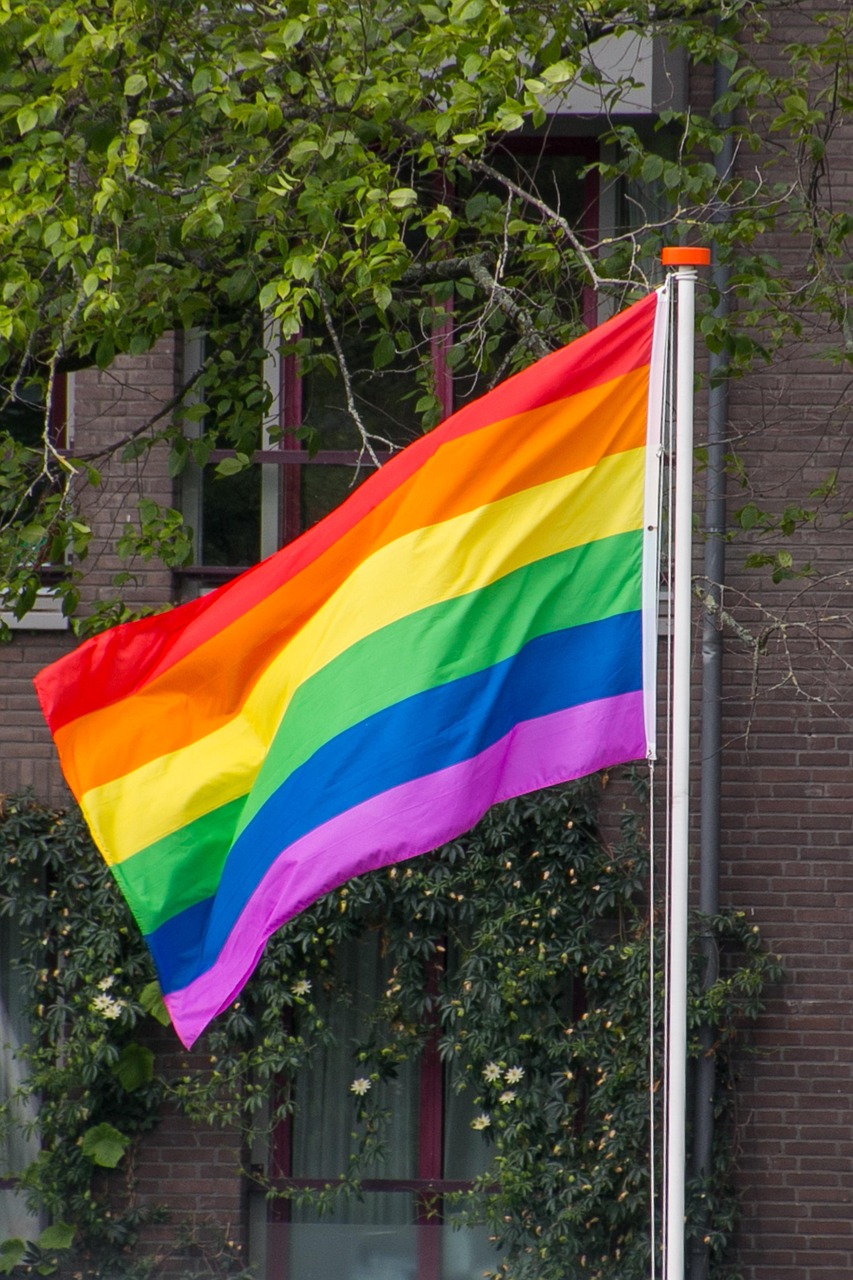
Confederacy flags, emblazoned with the symbols of the Southern Confederacy, are a complex and contentious topic in art and photography. These flags, representing a bygone era, carry a weighty history and a range of interpretations, making them a focal point in discussions about racial heritage and cultural sensitivity. Understanding the distinguishing features of Civil War-era flags is crucial for artists, photographers, and the public alike.
The Confederate flag, with its distinctive design and various iterations, served as a symbol of secession and white supremacy during the American Civil War (1861-1865). It was raised as a defiant banner over military forts, state capitols, and homes, representing a lost cause for many Southerners. However, its meaning has evolved and been contested over time. Today, the flag is a powerful and polarizing image, evoking memories of slavery, racial inequality, and a struggle for states' rights for some, while others view it as a representation of heritage and regional pride.
Artistic interpretations of Confederacy flags often examine the complex narrative surrounding the Civil War. Artists and photographers may explore the symbolism, such as the eagle, the stars, and the battle flags, to convey the beauty and horror of that era. These visual representations can spark conversations about the ongoing struggle for racial justice and equality. Contemporary artists have used the Confederate flag in their work to critique its modern-day usage, challenging its appropriation and the narratives it perpetuates. By examining the historical context and symbolism, artists can ensure their work respects the complexity of this topic and contributes to meaningful dialogue.
Identifying and Interpreting Civil War Flags

The identification and interpretation of Confederacy Flags, particularly those from the American Civil War, is a complex yet crucial aspect of understanding our nation's history. These flags, once symbols of the Southern Confederacy, have evolved in meaning over time, and their representation in art and photography requires careful consideration. When analyzing these flags, it's essential to recognize their historical context, the diverse interpretations they can evoke, and the importance of understanding them as more than mere relics of the past.
Confederate Flags in art and photography serve as visual reminders of the American Civil War, a conflict deeply rooted in issues of slavery and state rights. The flags, with their distinct designs and colors, carry a multitude of meanings. For some, they represent a connection to ancestral heritage, a nod to a region's history and its people's struggles. However, for others, especially within the Black community and anti-racist activists, these flags are indelibly linked to white supremacy and a legacy of oppression. This dichotomy underscores the importance of contextual understanding. A photograph of a flag at a historical site can evoke a sense of reverence for the past, while the same image in a contemporary protest might ignite heated debates about racial justice.
Beyond their historical significance, Confederacy Flags in modern art and photography offer opportunities for alternative representations. Artists and photographers can challenge traditional perspectives by showcasing the flags in unexpected contexts, thus encouraging viewers to question their preconceived notions. This process of reinterpretation is crucial in addressing sensitive historical topics. A contemporary artist might use the flag as a canvas to explore themes of identity, reconciliation, or even as a vehicle to highlight the ongoing struggle for racial equality. These alternative uses not only provide a more nuanced understanding of the past but also offer a platform for dialogue and reflection on contemporary issues. By examining the complexities of Confederate Flag symbolism, artists and viewers alike can contribute to a more inclusive and historically accurate narrative.
The Controversy: Displaying Confederacy Flags Publicly

The display of Flags in public spaces has long been a contentious issue, pitting those who view them as symbols of regional identity and historical memory against those who see them as remnants of a racist and oppressive past. These flags, once prominent during the American Civil War and the era of the Southern Confederacy, have evolved from battle standards to powerful symbols in modern times. The debate surrounding their public exhibition is complex, reflecting deeper cultural and historical divisions.
For many, the flags represent a complex mix of heritage, pride, and a desire to preserve regional identity. They argue that these flags are a part of their cultural heritage, a sign of their ancestors' struggles and sacrifices during the Civil War. However, others vehemently oppose their display, particularly in public spaces, citing their association with white supremacy, slavery, and a system designed to suppress the rights of African Americans. This conflict is not merely about the past; it is a living debate that reflects contemporary issues of race, identity, and social justice.
Legal considerations further complicate the matter. While many states and local governments have enacted laws or regulations banning the display of certain Flags, particularly those with racist overtones, others have taken a more nuanced approach. Balancing the right to free speech and the need to protect public safety, these jurisdictions often focus on context and intent when determining the appropriateness of flag displays. This includes considering the potential for incitement, the sensitivity of nearby communities, and the overall purpose of the display. A historical museum might be allowed to exhibit a Confederacy flag as part of a larger, nuanced narrative that explores the complexities of the Civil War era, while a public park might strictly prohibit its display to avoid relitigating past conflicts.
The role of these flags in shaping regional identity and their impact on civil war remembrance is a sensitive area that requires careful consideration. While some argue that they serve as a reminder of a painful but necessary part of American history, others see them as an obstacle to racial reconciliation. Understanding the diverse perspectives on this issue is crucial for addressing the cultural sensitivity surrounding the display of Flags in art and photography, as well as in public life.
Flag Etiquette and Respect: Contemporary Best Practices

The display and depiction of Flags in art and photography have become increasingly complex and controversial in contemporary society. As a reflection of our evolving understanding of historical contexts and their impact on the present, the way we portray symbols like the flags demands careful consideration and respect. In the modern artistic landscape, creators and curators face the challenge of balancing historical representation with sensitivity to the ongoing struggle for equality and justice.
Respecting the historical context is paramount when engaging with artistic representations of the Confederacy. This means acknowledging the flag's roots in a brutal and unjust system, such as slavery, and the suffering it caused. In art and photography, this can be achieved by presenting the flag within a critical framework, alongside images or narratives that challenge its legacy. A contemporary artist might use a faded, tattered Confederacy flag in a series exploring the American Civil War, not as a celebration of the Confederacy, but as a catalyst for discussion on the complexities of that era. This approach, inspired by the tourism industry's nuanced use of historical sites, encourages viewers to critically examine the symbols and their meanings.
When building a collection of historic flags, including those from the Confederacy, it's crucial to do so with a clear educational purpose. These collections can serve as powerful tools for teaching history and fostering dialogue about difficult topics like white supremacy and the Civil Rights Movement. However, they must be accompanied by accurate historical context and interpretative materials. As lessons from the Confederacy for modern societies, these collections can promote understanding and empathy, but only when approached with sensitivity and respect. A museum might display a rare, region-specific Confederacy flag alongside artifacts from the Underground Railroad, demonstrating the flag's role in a system of oppression while also highlighting the resilience of those who resisted it.
The trend towards more inclusive and anti-racist interpretations of history has also influenced contemporary flag design. Artists and designers are now incorporating elements inspired by the Confederacy into new, powerful works that challenge traditional notions of rebel symbolism. These modern interpretations often serve as a form of protest against the flag's past and present use as a symbol of white supremacy. A contemporary artist might create a series of abstract paintings that subtly incorporate Confederate motifs while also featuring vibrant colors and patterns associated with Black culture and history, subtly subverting the flag's racist heritage.
From Art to Tattoos: Exploring Modern Confederacy Motifs

The significance of civil war motifs in art, photography, and even tattoos is a complex and often polarizing topic. Flags, once symbols of a shattered nation's fractured identity, now serve as potent artistic tools, evoking a range of responses from nostalgic to contentious. In contemporary art and tattoo culture, the reconstruction of the past through these symbols is a delicate process, reflecting the ongoing struggle with historical memory.
For many, the display of confederate flags in art and tattoos goes beyond mere regional pride, reconstructing narratives of war, loss, and identity. These motifs can commemorate heroes, tell stories of sacrifice, and celebrate a sense of heritage. However, the use of confederate flags as symbols of white supremacy or racial pride is a contentious issue. Museums and historical sites play a crucial role in interpreting and presenting these flags, ensuring they are not used to promote hate but rather to educate and foster understanding. The map of confederate territories during the Civil War, when accurately displayed and contextualized, can serve as a powerful tool to teach about the causes and consequences of the conflict.
The appropriation of confederate flags as collectibles or in personal art, while a legitimate expression of heritage, requires careful consideration. These symbols carry a heavy load of historical baggage, and their display can trigger painful memories for many, especially within communities affected by systemic racism. As such, it's essential to approach the use of confederate flags in art and tattoos with sensitivity and a deep understanding of their historical significance. When used responsibly, they can serve as a means to pass down stories and symbols through generations, fostering a more nuanced understanding of history.
Frequently Asked Questions About Flag in Art and Photography
What is the significance of flags in art and photography? Flags, as powerful symbols, have been a subject of artistic expression for centuries. In art and photography, they represent national identity, history, and cultural heritage. They can evoke a sense of pride, patriotism, or political statement, making them a versatile and often thought-provoking element in various artistic mediums.
How do artists use flags in their work? Artists may incorporate flags as a central subject, as a background element, or as a symbolic representation within a larger composition. They can be depicted in realistic detail, stylized, or abstractly, conveying messages of freedom, unity, or conflict. Flags can also be used metaphorically to represent themes like change, power dynamics, or global connectivity.
Can flags in art and photography serve a historical purpose? Absolutely. Photographs and artworks featuring flags can document historical events, social movements, and cultural shifts. Iconic images of protests or revolutionary periods often include flags, serving as visual reminders of the time and place. These images can help future generations understand historical contexts and the significance of symbols in shaping societies.
What are some popular ways to display flags in photography? Photographers often use flags as a framing device, placing them in the background or surrounding a subject to add depth and context. They may capture flags in motion, like those waving in the wind, to convey a sense of dynamism and national spirit. Still-life photography may feature arranged flags, highlighting their design, color, and texture, while street photography might capture spontaneous displays of flags during celebrations or protests.
Are there any artistic movements that prominently feature flags? Yes, several artistic movements have incorporated flags as a prominent motif. The Cubist movement used geometric shapes and fragmented forms to represent flags, while the Surrealist movement incorporated flags into dreamlike, symbolic compositions. In contemporary art, flags are often used to explore themes of identity, global culture, and political activism, reflecting their significance in today's world.
Quick Reference
- Identify the subject matter: Determine the focus of your flag-themed art or photography project.
- Understand cultural context: Research and appreciate the symbolism and history behind various flags.
- Choose a variety of flags: Include different designs and colors to create a visually appealing display.
- Consider composition: Experiment with layouts and arrangements to tell a compelling visual story.
- Capture detail: Zoom in on intricate patterns and unique features for close-up, artistic shots.
- Use lighting creatively: Play with light and shadow to enhance the depth and drama of your images.
- Explore different perspectives: Shoot from various angles to capture the flags' dynamic qualities.
- Respect cultural sensitivity: Be mindful of the significance of flags and avoid misrepresenting them.
Flag Art: Revitalizing Community Through Public Installations
Situation
A small, historically diverse town in the heart of the country was looking to revitalize its downtown area and bring the community together. However, the town square was lacking in visual appeal, and there were few landmarks that represented the town's rich heritage. The town council sought a solution that would both enhance the aesthetics of the square and serve as a symbol of unity and pride for the residents.
Action
The town council partnered with a local artist and a patriotic flag store to create a series of custom flag installations. The artist designed unique flag displays featuring historical and cultural symbols significant to the town's past and present. The patriotic flag store provided high-quality, durable flags and flagpoles, ensuring the installations were both visually stunning and long-lasting.
The project was executed in three phases over a period of one month:
-
Design and Planning: The artist met with community members and local historians to gather input on significant symbols and colors that represented the town. This collaborative process ensured the final designs were inclusive and meaningful.
-
Fabrication and Installation: The patriotic flag store manufactured the custom flags and flagpoles, ensuring they met the town's specifications. The installations were completed by a team of professional flag installers who worked diligently to ensure each flag was securely and beautifully displayed.
-
Community Engagement: Throughout the project, the town council organized events and workshops to engage the community. These events included flag-making workshops for children, historical presentations, and a grand introducing ceremony for the completed installations.
Result
The flag art project was a resounding success, transforming the town square into a vibrant and meaningful space. The custom flag installations became a point of pride for the community, drawing both residents and visitors to the square.
The project had several measurable outcomes:
The success of this initiative inspired similar projects in neighboring towns, demonstrating the power of public art and flag displays to bring communities together and celebrate their shared history and values.
Flag Depictions in Art and Photography: A Comparative Look
This section compares various approaches to depicting flags in art and photography, highlighting their distinctive features, strengths, and applications.
Exploring the complex history and ongoing debate surrounding Flags offers a critical lens into the interplay between art, memory, and society. From their origins during the American Civil War and subsequent uses in the Civil Rights Movement to their modern interpretations in art and tattoos, these flags serve as powerful symbols of both heritage and division. Understanding their historical context, interpreting their symbolism, and navigating the legal and social controversies surrounding their display are essential for promoting respectful engagement with our collective past. By embracing best practices in flag etiquette and encouraging open dialogue, we can foster a deeper appreciation for history while actively working to dismantle racist and divisive ideologies. This knowledge empowers individuals to make informed choices, whether displaying flags in public or incorporating them into artistic expression, ultimately contributing to a more inclusive and nuanced understanding of our nation's complex legacy.
Understanding, interpreting, and representing Flags in art, photography, and popular culture is a complex task. These flags, steeped in a history of slavery and racial inequality, spark intense debates about heritage, pride, and the ongoing struggle for racial justice.
When dealing with Flags:
- Historical Context: Recognize their roots in a brutal system and the suffering they caused.
- Sensitivity: Approach their depiction with care, especially in modern art and tattoos, to avoid perpetuating harmful narratives.
- Education: Use them as tools for teaching history, fostering dialogue, and understanding the past's impact on the present.
- Nuance: Encourage critical examination of their symbolism and avoid simplistic interpretations.
- Respect: Respect the complexity of the topic and the diverse perspectives it evokes.