
Key Takeaways
- Flags in public spaces enhance community identity and pride, fostering a sense of belonging.
- The size and placement of flags in public areas should be proportional to the space and community, ensuring visibility and impact.
- Consider local regulations and historical significance when choosing flag designs for public display.
- Regular cleaning and maintenance of public flags are essential for aesthetic appeal and respect for the symbol.
- Unique flag displays in public spaces can attract attention, spark conversations, and boost local tourism.
- Collaborating with local businesses and organizations can lead to vibrant, community-driven flag initiatives.
- The use of high-quality, durable flags in public spaces reflects a commitment to preserving tradition and patriotism.
Public spaces often feature flags as a symbol of pride and unity. When choosing flags for these areas, consider high-quality materials to withstand outdoor conditions. Look for vibrant colors and clear designs, reflecting the community's identity. Local regulations and guidelines should be followed regarding flag display, size, and placement to ensure respect for the flag's significance.
Public spaces, from town halls to parks, often display flags as symbols of identity and pride. However, this practice becomes complex when considering the historical and contemporary significance of certain flags, such as those representing the Southern Confederacy. The display of Confederacy flags in public spaces has sparked intense debate, reflecting broader issues of racial heritage, historical interpretation, and societal values. This article explores the role of public spaces in flag display, focusing on the unique challenges posed by the Confederacy flag. We will examine historical context, legal considerations, cultural impact, and potential solutions to this contentious issue, offering a practical guide for understanding flag representation in our communities.
- Understanding the History of Confederacy Flags
- Public Display: Rules and Controversies
- Symbolism, Heritage, and Modern Interpretations
- Balancing Respect and Sensitivity in Public Spaces
Understanding the History of Confederacy Flags
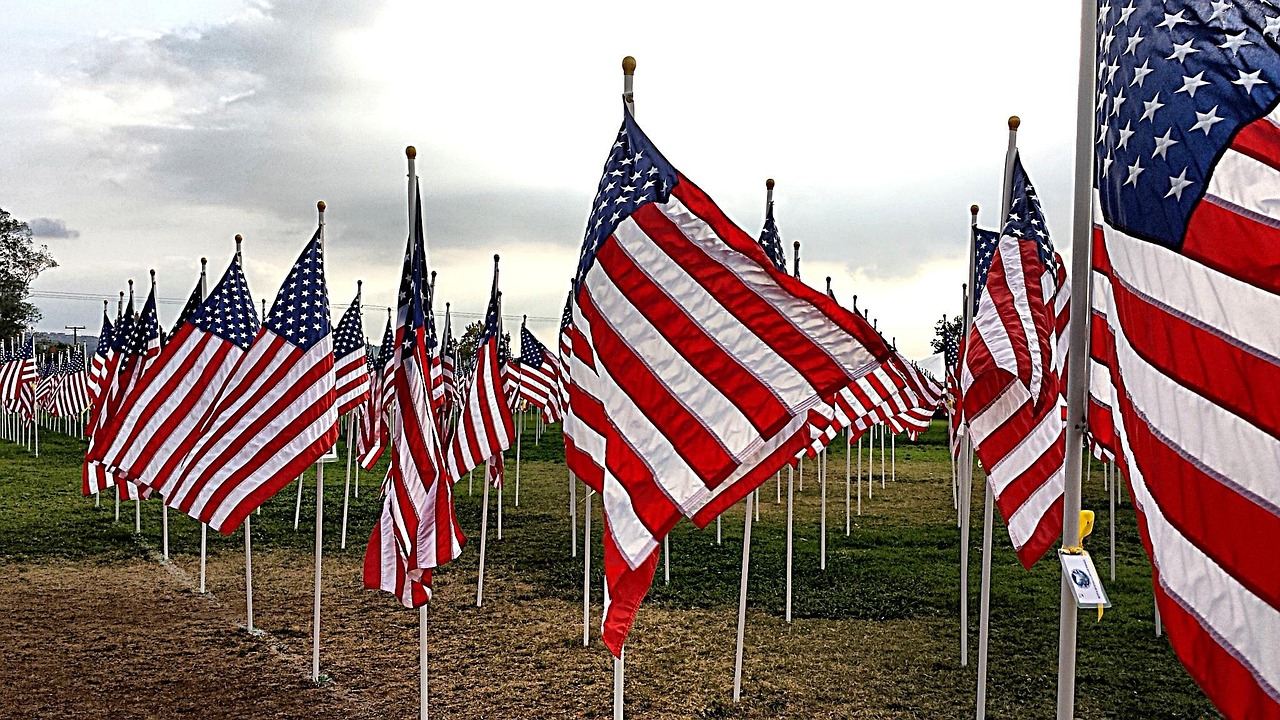
The history of Confederacy flags is a complex and sensitive topic, deeply rooted in the American Civil War and its aftermath. These flags, once symbols of the Southern Confederacy, have evolved in meaning and sparked intense debates about respect, offense, and historical memory. Understanding the context in which they were created and their subsequent interpretation is crucial when considering their display in public spaces.
During the American Civil War, the Confederate flag, often referred to as the "Rebel flag," served as a symbol of secession and resistance against the Union. Its design, featuring a blue field with white stars and red stripes, was a powerful representation of the Confederacy's identity. However, the flag has been a source of controversy, especially when displayed in public spaces, due to its association with white supremacy and slavery. The Civil Rights Movement and the ongoing struggle for racial equality have led to discussions about the appropriate use of such symbols, with many considering the Confederate flag as a racist and offensive remnant of a bygone era.
There has been a growing movement to update and reinterpret historical flags, especially those from the Reconstruction Era, to reflect contemporary values. This process involves examining the flag's original context-the Civil War and its aftermath-and considering what messages it conveys today. Giving us a call at media representation of reconstruction era, historical scholars and activists argue that the Confederate flag no longer represents merely historical heritage but has become a symbol of resistance against racial equality and a rejection of the Emancipation Proclamation. As such, many public spaces and institutions have chosen to remove or limit the display of Confederacy flags to foster a more inclusive and respectful environment.
When deciding whether or not to display a Confederacy flag in a public space, it's essential to consider the potential impact on different audiences. While some may view these flags as a celebration of regional heritage, others can perceive them as a profound offense, especially within communities that have historically been marginalized or victimized by racial discrimination. Therefore, it is crucial to engage in open dialogue, consult relevant historical and cultural experts, and seek community input to make informed decisions about flag displays, ensuring respect for all while honoring history.
Public Display: Rules and Controversies

The public display of flags, particularly sensitive symbols like Confederacy Flags, is a complex issue fraught with historical baggage. These flags, a relic of the American Civil War and the Southern Confederacy, have long been a focal point for debate. While some view them as a celebration of regional heritage, others see them as racist symbols perpetuating a dark era of slavery and white supremacy. This dichotomy is further complicated by their prevalence in public spaces, where they often spark strong emotions and legal considerations.
The display of Confederacy Flags in public is largely governed by local laws, regulations, and community norms. Some states, like Virginia and North Carolina, have passed laws restricting their use on government properties, aiming to protect public safety and foster an inclusive environment. Conversely, certain regions with strong historical ties to the Confederacy may encourage their display, leading to heated discussions. In the South, where several states once allowed Confederate flags on statehouse grounds, the debate often revolves around the interpretation of history and the role of these flags in contemporary storytelling.
When considering the portrayal of Confederacy Flags in public, it's crucial to blend heritage with artistic license responsibly. While honoring historical contexts is essential, the way these symbols are depicted can significantly impact perceptions. In popular culture, the flag has been used in various forms-from historical reenactments to modern art installations-sometimes with the aim of challenging traditional narratives. However, critics argue that certain portrayals can trivialize the suffering caused by slavery and perpetuate harmful stereotypes. This delicate balance requires a nuanced approach, especially for educational settings, where teachers must navigate the complex history surrounding these flags without glorifying their use.
To honor the past without resorting to confederate flags, communities are exploring alternative ways to acknowledge historical events. This includes interpretive displays that provide context and educate visitors, as well as programs that highlight the experiences of all Americans during the Civil War era. By embracing these alternatives, public spaces can foster respect for diverse perspectives while promoting a more inclusive national identity. For those looking to display these flags, visiting us at the etiquette of flying confederate banners anytime can provide valuable insights into responsible and respectful practices.
Symbolism, Heritage, and Modern Interpretations

The symbolism and heritage associated with Confederacy Flags are complex and deeply rooted in American history, particularly during the Civil War and its aftermath. These flags, once flown by the Southern states that seceded from the Union, have evolved in meaning over time, becoming a focal point for both pride and controversy. Today, a map of Confederate territories during the Civil War reveals a geographical landscape of mixed emotions; while some regions embrace their historical connections, others have moved towards removing these symbols due to their association with white supremacy and slavery.
The debate surrounding Flags is often polarizing, with strong arguments on both sides. Anti-racist activists point to the flags' historical role in upholding a system of oppression, while some residents and historians defend them as a celebration of regional heritage and a reminder of their state's role in the Civil War. The question of why are confederate flags banned in certain places? Is not simply about censorship but about fostering a more inclusive public space. Many communities have concluded that these flags, due to their racist symbolism, cannot coexist peacefully with efforts to promote equality and social justice, especially during National Black History Month.
Balancing heritage and sensitivity in public spaces is a delicate task, especially in the South, where the Civil War remains a significant part of regional identity. Constructive dialogue on cultural sensitivity is crucial; it involves engaging with local communities, educators, and cultural institutions to develop nuanced interpretations of historical events. Building a collection of historic flags, including those from the Confederacy, can be a powerful educational tool when accompanied by contextual information and thoughtful discussions. This approach allows for a deeper understanding of history while promoting respect and empathy.
Consider how the display of these flags in public spaces affects travel and tourism. Some visitors may be unaware of the controversy, while others come to the South specifically to engage with this complex history. How do confederate flags affect the South? The answer lies in the region's diverse responses, from museums and historical sites that offer thoughtful interpretations to communities that have taken steps to remove these symbols from public view. This variety demonstrates the importance of local control and the need for a nuanced understanding of cultural heritage.
Balancing Respect and Sensitivity in Public Spaces

In public spaces, the display of Flags has long sparked debate, highlighting the delicate balance between respecting historical context and maintaining sensitivity in modern times. The Confederate flag, a symbol deeply rooted in the American Civil War and the Southern Confederacy, evokes a range of emotions and interpretations. While some view it as a piece of history, others see it primarily through the lens of white supremacy and racial inequality. This dichotomy becomes particularly acute when considering modern flag design trends inspired by the Confederacy, which can range from artistic interpretations to literal recreations.
Understanding the differences between Confederate and Union flags is essential in this context. The Confederate flag, with its distinctive red, white, and blue design featuring a blue union in the upper left corner, represents the secessionist cause. In contrast, the Union flag, often referred to as the American flag, symbolizes unity and the preservation of the United States of America. Revering historical artifacts and revisiting the past is valuable for education, but it's crucial to do so with an eye towards the present. Many modern artists and flag designers choose to reinterpret historical symbols, making them accessible to contemporary audiences while acknowledging their sensitive origins.
When designing or displaying flags in public spaces, it's vital to consider the potential impact on diverse communities. Displaying a Confederate flag in a location with a significant African American population may be perceived as insensitive, perpetuating a legacy of oppression. As such, flag designers and public space managers must strive for inclusivity and cultural awareness. Visiting us at lessons from the Confederacy for modern societies offers a unique perspective on these issues, encouraging a thoughtful approach to flag design and display that respects historical context while fostering a more inclusive and equitable present.
Frequently Asked Questions About Public Spaces and Flags
What is the importance of flags in public spaces? Flags in public spaces serve a multifaceted purpose. They represent national identity, unity, and pride. They also honor historical events, figures, and traditions. Well-placed flags can enhance community spirit, promote patriotism, and serve as a visual reminder of shared values. In official settings, they signify authority and governance, while in celebrations, they energize and unify crowds.
When should flags be displayed in public? Flags should be displayed daily in schools, government buildings, and courthouses. They are traditionally flown at half-staff on days of mourning or following significant events. On national holidays, like the 4th of July, flags adorn public buildings, monuments, and homes, symbolizing collective celebration and remembrance.
What are the rules for flag placement and size? Flags in public spaces should be positioned for maximum visibility. They are typically flown at the peak of a pole or, in indoor settings, from a ceiling or wall. The size of the flag should be appropriate for the structure it's displayed on. A common rule is that the flag should be at least half the height of the pole or structure.
What are some best practices for flag maintenance? Regular cleaning and inspection are crucial. Flags should be cleaned with mild soap and water, avoiding harsh chemicals. They should be stored in a cool, dry place when not in use to prevent fading and damage. Repair or replace torn flags promptly. For outdoor flags, consider using weather-resistant materials and protecting them from strong winds.
Are there specific rules for flag etiquette? Yes. The U.S. Flag Code provides guidelines for proper flag display and handling. The flag should not be draped or used as a covering. When flown at half-staff, the flag should be raised to the top of the pole before being lowered. Flags should never touch the ground, and they should be folded neatly when stored or transported.
What types of flags are suitable for public spaces? The most common is the national flag, representing the country. Historical or regional flags can also be displayed, showcasing local heritage. International flags are used in global events and educational settings to promote understanding and diversity. Custom flags, often featuring local symbols or slogans, can be used to represent specific communities or initiatives.
How can I choose the right flag for my public space? Consider the purpose, location, and audience. A flag representing a historical event might be suitable for a museum, while a community's flag could foster a sense of belonging in a public park. Choose a flag that's visible, durable, and appropriately sized for its location. Consult local guidelines and flag etiquette rules.
Revitalizing Community Pride: A Flag Program for Main Street USA
Situation
In the heart of Main Street USA, a charming small town known for its historic buildings and diverse businesses, a sense of community pride had been waning. The town's flag, a faded and worn symbol of its heritage, was no longer prominently displayed. Businesses reported a decrease in foot traffic, and residents expressed a longing for the town's former vibrancy. The local chamber of commerce, tasked with fostering community spirit and attracting visitors, sought a solution to reignite the town's pride and sense of belonging.
Action
The chamber of commerce launched a public-private partnership initiative, "Main Street Flags for All," aimed at revitalizing community pride through the strategic display of new, vibrant flags. They partnered with a local flag maker, who designed and produced custom flags featuring the town's coat of arms, key landmarks, and a powerful slogan: "Proudly Our Town." The initiative encouraged businesses and residents to display these flags on their properties, with the chamber offering incentives for participation, such as local advertising and community events.
Result
Within three months of the "Main Street Flags for All" program's launch, the town witnessed a remarkable transformation. The program's success led to a 20% boost in local tourism, as well as increased participation in the annual Fourth of July parade and other community events. The town's residents, now more connected than ever, expressed greater pride in their community and a renewed sense of belonging.
Quick Reference
- Select a flag that reflects the space's purpose and community-match the flag's symbolism to the setting and local values.
- Choose a durable material suitable for outdoor display-acrylic or polyester flags withstand weather better than cotton.
- Consider size and mounting options-large flags demand stronger poles; wall hangings or posts offer different aesthetic and functional benefits.
- Follow local regulations regarding flag placement-know height restrictions, lighting requirements, and any specific guidelines for public spaces.
- Use proper flag-flying etiquette-ensure flags are flown at appropriate heights, not frayed or damaged, and lowered during times of mourning.
- Regularly clean and maintain flags-remove stains, dust, or debris to preserve the flag's appearance and longevity.
- Repair or replace damaged flags promptly-a torn flag loses its symbolic meaning; regular care ensures pride and respect.
- Combine flags with other patriotic elements-plant flowers or trees around flagpoles, use lighting to highlight flags at night, or include historical artifacts for a richer display.
Comparing Flag Display Options for Public Spaces
This section compares different ways to display flags in public spaces, focusing on key features, intended uses, strengths, weaknesses, and cost-effectiveness.
| Feature | Flag Pole Installations | Wall-Mounted Displays | Indoor Flag Displays |
|---|---|---|---|
| Key Features | Vertical poles, often in stands, for outdoor display. | Fixed structures or free-standing frames for indoor walls. | Cases or racks for indoor storage and display. |
| Best Use Cases | Outdoor events, national holidays, sporting events, and public landmarks. | Lobby areas, museums, schools, and government buildings. | Classrooms, offices, and historical sites. |
| Strengths | Highly visible and impactful, suitable for large flags. Offers flexibility in placement and size variations. | Can be aesthetically pleasing and take up less space than poles. Adaptable to different wall heights. | Conserves space, protects flags from weather, and allows for year-round display. |
| Limitations | Can be costly to install and maintain, especially for larger flags. Weather exposure can impact flag longevity. | May require drilling or permanent attachments to walls. Less flexible in terms of flag size and placement. | Limited visibility compared to outdoor displays. Requires regular cleaning and maintenance. |
| Cost/Performance | Generally higher upfront cost but can be more durable and long-lasting. | Moderate cost, especially for lighter-weight displays. | Generally lower initial cost but may require more frequent flag replacement. |
The public display of Flags, once ubiquitous in the United States, remains a contentious issue due to their complex historical and symbolic significance. Understanding the context of the American Civil War and the Southern Confederacy is crucial to interpreting these flags. While they hold a strong cultural heritage for some, they are also recognized as symbols of white supremacy and slavery, sparking ongoing debates.
In public spaces, the rules and regulations surrounding these flags vary, reflecting the delicate balance between preserving history and honoring the struggles of the Civil Rights Movement. When displayed, it is essential to consider the surroundings, context, and potential impact on diverse communities. Sensitivity and respect are key, as these flags can evoke powerful emotions for many Americans.
The symbolism of Flags has evolved over time, with some embracing them as a representation of regional pride while others see them as a stark reminder of a dark past. This complexity underscores the importance of open dialogue and education. By studying the historical context, including the Emancipation Proclamation and the ongoing fight for civil rights, we can foster a more nuanced understanding.
In moving forward, it is crucial to engage in thoughtful discussions, incorporate diverse perspectives, and ensure that public spaces reflect the values of inclusivity and equality. This may involve region-specific designs, educational initiatives, or reinterpreting rebel symbolism to promote unity and a more inclusive national identity. The next step is to translate these insights into action, whether in urban planning, cultural events, or school curricula, to create a more harmonious public environment.
The flags, rooted in the American Civil War, have evolved from symbols of secession to focal points of intense debate. Their display in public spaces is controversial, sparking arguments about historical heritage versus racism and white supremacy. Balancing respect for history with sensitivity towards marginalized communities is crucial.
Modern interpretations and designs must consider the diverse perspectives of contemporary audiences, especially in regions with significant historical ties to the Confederacy. Thoughtful dialogue, including engagement with local communities and cultural institutions, is essential for making informed decisions about flag displays.
In public spaces, flag displays should foster inclusivity and respect, avoiding harm to communities with a history of racial discrimination. This requires careful consideration of historical context, cultural sensitivity, and the potential impact on diverse audiences.