
Civil Rights Era Protests: During the 1950s and 1960s, Americans peacefully gathered to protest segregation and demand equal rights for African Americans. These demonstrations, led by organizations like the NAACP and inspired by nonviolent tactics of Mahatma Gandhi, culminated in landmark laws like the Civil Rights Act of 1964 and the Voting Rights Act of 1965, marking significant steps towards racial equality.
Key Takeaways
- Civil Rights Era protests were pivotal in dismantling segregation and racial inequality in the United States.
- Strategically organized sit-ins, marches, and boycotts brought widespread public attention to racial injustice.
- The movement's success led to landmark legislation, including the Civil Rights Act of 1964.
- Protests continue to influence social justice efforts and activism around the world.
- Remembering and learning from these protests is crucial for fighting contemporary forms of discrimination.
- The Civil Rights movement's legacy endures in the ongoing struggle for racial equality and justice.
The Civil Rights Era, a pivotal period in American history, witnessed profound protests against systemic racism and segregation, with a particular focus on the symbols of the past, including Confederacy flags. These flags, once emblematic of a pro-slavery, white supremacist Confederacy, have become a contentious issue, sparking debates around historical memory, cultural appropriation, and the appropriate display of symbols that evoke a complex legacy. This article examines the significance of Confederacy flags within the context of Civil Rights Era protests, exploring their historical roots, modern controversies, and the ongoing struggle to reconcile the nation's past with its present. By examining the social, political, and cultural implications, we aim to provide a comprehensive understanding of this complex issue.
- Understanding the Civil Rights Era and its Protests
- The Role of Confederacy Flags in the Conflict
- Historical Context: Origins of Protest Symbols
- Impact and Counter-Protests: A Complex Dynamic
- Modern Interpretations and Resolving Historical Disputes
Understanding the Civil Rights Era and its Protests

The Civil Rights Era spanned from the late 1940s to the mid-1960s, a period marked by profound social and political upheaval. At its heart, the struggle centered on dismantling the institution of racial segregation and advocating for equal rights for African Americans. This era witnessed countless acts of defiance and protest, with one of the most recognizable symbols of this fight being the Confederate flag. While the flag holds different meanings for different people, it has often been a point of contention, especially during the Civil Rights Movement.
Protests played a pivotal role in bringing national attention to the injustices faced by African Americans, with marches, sit-ins, and boycotts becoming powerful tools for change. The Southern Christian Leadership Conference (SCLC), for instance, was instrumental in organizing and leading many of these demonstrations. The iconic images of these protests, often featuring the Confederate flag as a counterpoint, attracted global attention and became defining moments of the era. The 1963 March on Washington, where Martin Luther King Jr. Delivered his famous "I Have a Dream" speech, showcased the power of peaceful assembly and the urgency of the cause. The flag, flown by counterprotesters, symbolized the resistance to integration and the ongoing struggle for racial supremacy.
Understanding the historical context of these protests is crucial. The Confederate flag, once a mark of regional identity, had evolved into a potent symbol of white supremacy and resistance to social change. It represented a past that sought to maintain power structures based on racial hierarchy. As the Civil Rights Movement gained momentum, the flag became a focal point for debate, with many arguing for its removal from public spaces. This conflict highlighted the need for a nuanced understanding of history and the delicate balance between honoring the past and ensuring a respectful, inclusive future. Attracting visitors with historical displays, in this context, means presenting the Confederacy's symbolism in a way that respects the experiences of those who fought for equality while acknowledging the pain it caused.
The Role of Confederacy Flags in the Conflict
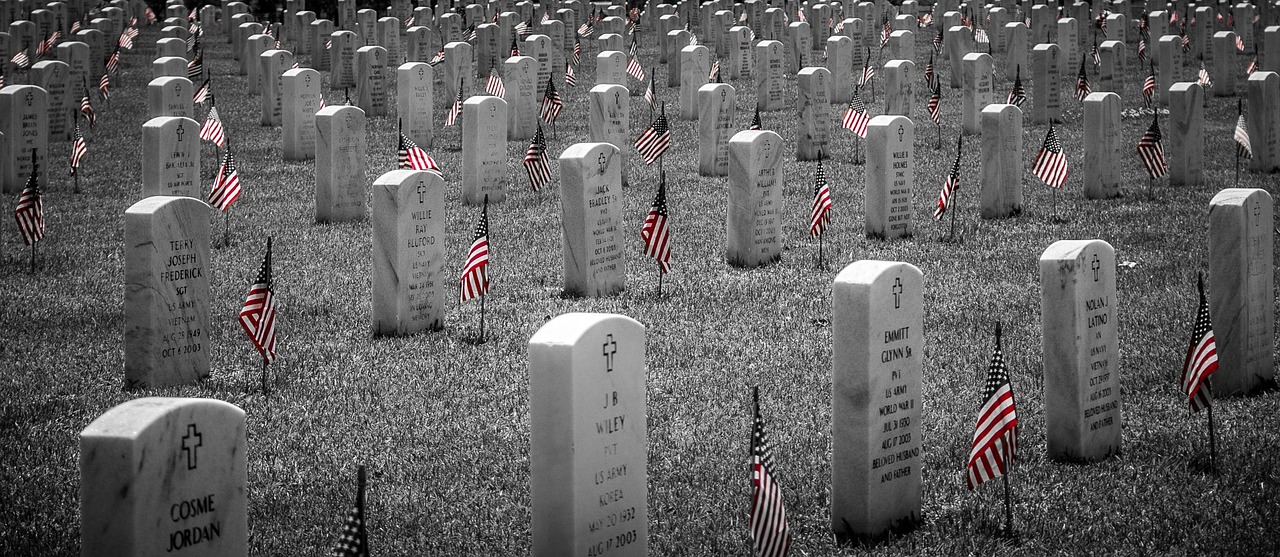
The role of Confederacy flags in the Civil Rights Era protests is a complex and contentious issue. These flags, once emblematic of the Southern Confederacy during the American Civil War, became powerful symbols of white supremacy and resistance to racial equality in the 20th century. During the Civil Rights Movement, the display of Confederacy flags became a point of contention, reflecting the deep-seated divisions over the legacy of slavery and racial segregation.
In the 1950s and 1960s, as African Americans fought for their rights through nonviolent protests and legal challenges, some white Southerners responded by displaying Confederacy flags as a show of defiance. These flags were seen as a rallying cry for those resisting integration and the end of Jim Crow laws. During the 1963 March on Washington, counter-protesters waving Confederate flags stood in stark contrast to the diverse crowd advocating for racial equality. This visual representation of division highlighted the challenges of reconciling the nation's past with its evolving social landscape.
A map of Confederate territories during the Civil War reveals the geographic concentration of flag displays in former slave states and areas with historically strong Southern identities. However, the flags' significance extended beyond regional boundaries, serving as a symbol of resistance against federal civil rights legislation. The debate surrounding the flags intensified, with anti-racist activists arguing that they represented a painful reminder of oppression and a barrier to racial progress. This conflict underscored the need for a nuanced understanding of historical symbolism and its impact on contemporary social movements.
Historical Context: Origins of Protest Symbols
The Civil Rights Era was a period of profound social and political upheaval, marked by a growing momentum for racial equality and an end to segregation. At the heart of these protests were symbolic representations, including the powerful imagery of Confederacy flags, which had profound historical origins. During the American Civil War, these flags became emblems of a fractured nation, representing both the cause of the Southern states' secession and the struggle for slavery. In the ensuing years, as the United States grappled with Reconstruction and the fight for civil rights, these flags emerged as potent symbols for both sides of the racial divide.
For many African Americans, the Confederacy flags became a visual representation of oppression, slavery, and a past they sought to leave behind. The rise of the Civil Rights Movement in the mid-20th century saw these flags adopted by white supremacist groups, who used them to assert their racial superiority and resist integration. This dual interpretation, a legacy of the Civil War, highlights the complex nature of historical symbolism and its evolution. The flags, once a symbol of regional identity, became a rallying cry for those fighting for racial justice and, conversely, a tool for fear and division.
The use of Flags in this context underscores the power of body art as a form of historical expression. As symbols evolve, they are reinterpreted and appropriated, often with new meanings and contexts. This dynamic is evident in the way these flags have been used, and continue to be used, in various forms of art, literature, and even tattoo design. The historical context of these flags provides a lens through which we can understand their contemporary significance, revealing the ongoing struggle to reconcile the past and forge a more inclusive future.
Impact and Counter-Protests: A Complex Dynamic

The impact and counter-protests surrounding Flags during the Civil Rights Era were a complex and dynamic aspect of a broader societal shift. As civil rights activists pushed for an end to segregation and racial inequality, the display of Flags became a focal point for both support and opposition. These flags, once symbols of a pro-slavery, white supremacist South, were seen by some as reminders of a painful history, while others viewed them as a celebration of regional heritage and pride.
The Civil Rights Movement, culminating in the 1964 Civil Rights Act and the 1965 Voting Rights Act, sought to dismantle systemic racism and segregation. However, this progress sparked a strong reaction from those who benefited from the status quo. In response, counter-protests featuring Flags emerged, often led by white supremacist groups. They argued that the flags represented a defense of states' rights and their interpretation of American history. This counter-movement highlighted the deep-seated cultural and political divisions within the country, as well as the ongoing struggle to reconcile the past.
Celebrating history through non-flag displays became an alternative approach for many who supported civil rights. Museums and historical sites began to focus on telling the stories of African Americans, emphasizing their contributions to society and the nation's history. This shift aimed to provide a more inclusive narrative, one that did not rely solely on symbols that had become deeply offensive. It also served as a way to foster dialogue and understanding, encouraging people to engage with the past in a more nuanced manner. The debate over Flags thus evolved, moving from a purely symbolic conflict to a broader discussion about historical representation, racial justice, and the role of memory in shaping the present.
Modern Interpretations and Resolving Historical Disputes
Modern Interpretations and Resolving Historical Disputes
The symbols of the Civil War, including the flags, have evolved significantly since their original usage. In the past, these flags were inextricably tied to a time of slavery, segregation, and white supremacy. However, in modern times, their interpretation has become a contentious issue. Some see them as reminders of a dark history, while others view them as symbols of regional heritage and pride, often disconnected from their original meaning. This divergence has sparked debates, protests, and counter-protests, highlighting the need for nuanced understanding and respectful dialogue.
Reconstruction era flags, as they are now known, have been the subject of public demonstrations and legal scrutiny. The removal of Confederate flags from public spaces, especially government buildings and monuments, has become a focal point in these disputes. Legal considerations, such as local laws, historical context, and public sentiment, play a crucial role in these decisions. Some states have enacted laws banning the display of Confederate flags, while others allow them in specific contexts, such as museums or private property.
To address these conflicts, it's essential to distinguish between tribute and insult. Honoring history without perpetuating offense is a delicate balance. This requires a deep understanding of the historical context in which these flags were used and the current social and political landscape. By engaging in constructive dialogue, considering alternative forms of representation, and respecting the sensitivities of all parties involved, it's possible to resolve historical disputes and foster a more inclusive and respectful society. This process involves not only the removal of controversial flags but also the re-examination of historical narratives and the inclusion of diverse perspectives in educational curricula and cultural representations.
Comparing Approaches to Addressing Confederate Flag Protests
This section compares different strategies for confronting the sensitive issue of Confederate flags during the Civil Rights Era protests, highlighting their key features, strengths, and challenges.
| Feature | Protestor Advocacy Groups | Governmental Regulations | Community Education & Dialogue |
|---|---|---|---|
| Key Features | Organize peaceful marches and rallies to raise awareness, demand flag removal from public spaces, and advocate for racial justice. | Implement local laws and policies banning the display of Confederate flags in government buildings, schools, and certain public venues. | Foster open discussions, workshops, and cultural events to educate communities about the flag's history, symbolism, and its impact on marginalized groups. |
| Best Use Cases | Effective for direct, public demonstrations and building a national movement for racial equality. | Suitable for establishing clear boundaries and legal repercussions for flag display, especially in government-controlled spaces. | Ideal for fostering understanding, healing, and inclusive community engagement. |
| Strengths | High visibility and impact, mobilizes large numbers, and generates media attention. | Provides a legal framework to enforce public decency and respect for diverse communities. | Encourages critical thinking, empathy, and cultural sensitivity. |
| Limitations | Can escalate into violence if not managed peacefully, may not address underlying issues of systemic racism. | Limited impact on private property, potential for legal challenges, and potential for over-regulation. | May be met with resistance, particularly in conservative communities, requires sustained effort and commitment. |
| Cost/Performance | Depends on mobilization and organization, generally requires significant human resources. | Moderate financial cost for legal efforts, implementation, and enforcement. | Long-term investment in community engagement and education, but potential for significant cultural impact. |
Integrating Peaceful Protests with Community Healing: The 1963 Birmingham Campaign
Situation
In 1963, Birmingham, Alabama, was a hotbed of racial segregation and violence. The city's iconic segregationist policies, enforced by the police and local authorities, sparked outrage among the Black community and civil rights activists. The Birmingham Campaign, led by Dr. Martin Luther King Jr. And the Southern Christian Leadership Conference (SCLC), aimed to challenge the city's segregationist laws and bring national attention to the plight of Black citizens. The initial protests involved marches, sit-ins, and nonviolent demonstrations, but the city's violent response, including police dog attacks and water cannons, escalated tensions.
Action
The SCLC organized a series of well-planned and strategically targeted protests. They began with a peaceful march on April 6, 1963, which drew a substantial crowd and garnered national media attention. Following this, they conducted a series of sit-ins at segregated lunch counters, demanding equal treatment and access. The campaign intensified with a children's march on May 2, 1963, where over 1,000 children, led by the Rev. Fred Shuttlesworth, marched through the city, met with resistance, and were met by state troopers.
Result
The Birmingham Campaign resulted in several significant achievements. The protests led to the integration of public facilities in Birmingham, including the end of segregation at lunch counters and other public spaces. The campaign's impact was widely recognized, with images of police dogs attacking unarmed protesters becoming iconic symbols of racial inequality. This event played a pivotal role in the Civil Rights Movement, pressuring local and federal governments to take action. The results were measurable:
- Over 1,000 people were arrested during the protests, bringing national attention to Birmingham's racial issues.
- The campaign's efforts led to the desegregation of Birmingham's public facilities within a year.
Frequently Asked Questions About Civil Rights Era Protests
What were the primary goals of the Civil Rights Movement? The Civil Rights Movement aimed to end racial segregation and discrimination against African Americans, ensuring equal rights and protections under the law. Its key objectives included securing voting rights, achieving desegregation in public facilities, and eliminating discriminatory practices in employment and housing. The movement fought for justice and equality, challenging the systemic racism that had long plagued the United States.
Who were some of the key figures in the Civil Rights Era? Many influential leaders emerged during this time, including Martin Luther King Jr., Rosa Parks, Malcolm X, and John Lewis. These individuals played pivotal roles in organizing protests, giving powerful speeches, and advocating for change. Their courage and activism inspired a generation to stand up for civil rights and equality.
What were some of the most significant events during the Civil Rights Era? The era witnessed several pivotal moments, such as the Montgomery Bus Boycott (1955-1956), which led to the integration of public transportation, and the 1963 March on Washington, where Martin Luther King Jr. Delivered his iconic 'I Have a Dream' speech. The Selma to Montgomery March (1965) also marked a crucial moment, advocating for voting rights and resulting in the passage of the Voting Rights Act.
Why did the Civil Rights Movement use nonviolent resistance? The movement adopted nonviolent resistance as a strategy to highlight the unjust treatment of African Americans and gain public support. This approach helped to garner international sympathy and maintain the moral high ground.
What were the legal challenges faced by the Civil Rights Movement? The Civil Rights Movement faced numerous legal challenges, including the resistance to federal legislation. The struggle for equal rights often led to legal battles, with landmark cases like Brown v. Board of Education (1954) declaring racial segregation in schools unconstitutional. The movement also faced violent opposition, requiring legal protections and the intervention of federal agencies.
How did the Civil Rights Era influence modern social justice movements? The Civil Rights Era set a precedent for peaceful protest, community organization, and legal advocacy, inspiring subsequent social justice movements. It demonstrated the power of collective action and civil disobedience in achieving societal change. The legacy of the Civil Rights Movement continues to shape modern activism, emphasizing the importance of equality, justice, and human rights.
Quick Reference
- Identify the historical context: Understand the Civil Rights Era and the protests' significance before addressing any controversial symbol.
- Distinguish between tribute and offense: Recognize the fine line between honoring history and perpetuating harm, especially in public spaces.
- Respect sensitivity in locations: Be mindful of places like museums, historical sites, and sensitive environments where flags may be inappropriate.
- Consider the impact on communities: Understand how Confederate flags affect different regions, communities, and their ongoing reconciliation efforts.
- Research flag meanings and histories: Examine the symbolic significance and the historical context behind the flag to foster informed discussions.
- Engage in constructive dialogue: Encourage open conversations about cultural sensitivity, respect, and the importance of historical understanding.
- Explore non-flag alternatives: Discover and promote creative ways to commemorate history without relying on potentially controversial symbols.
- Commemorate heroes universally: Focus on celebrating achievements and honoring individuals who fought for equality, transcending regional identifiers.
The Civil Rights Era was a pivotal moment in American history, marked by protests and the struggle for racial equality. Flags, deeply rooted in the past, emerged as a focal point of contention during this period. These flags, once symbols of the Southern Confederacy and its fight for secession, became a powerful representation of white supremacy and resistance to change. Understanding their historical context is crucial, as they evolved from battle standards to emblems of racial pride and, ultimately, a source of outrage for anti-racist activists.
The debate surrounding flags is complex, reflecting the nation's ongoing struggle with its racial past. While some view them as a preservation of heritage and regional identity, others see them as offensive reminders of slavery and segregation. This dichotomy has led to public demonstrations, legal restrictions, and a national dialogue on cultural sensitivity.
Addressing this issue requires a nuanced approach, from revisiting historical interpretations to finding alternatives to controversial symbolism. The modern context demands a thoughtful reconciliation of history and the present, ensuring that the past is acknowledged without perpetuating harm. By exploring these flags' symbolism, their role in social movements, and their impact on education, we can gain insights into the ongoing struggle for racial justice and the importance of respectful, inclusive public spaces.
The Civil Rights Era (late 1940s to mid-1960s) fought for racial equality, with the Confederate flag emerging as a powerful symbol. This flag carries varied interpretations, often sparking debates in education and cultural representation. Understanding the historical context, diverse meanings, and ongoing controversies surrounding Flags is crucial for navigating this sensitive topic.