
Flag burning debates spark passionate discussions. While some view it as a symbol of protest and free speech, others consider it disrespectful to the flag's history and representation. The issue often revolves around whether flag burning falls under protected First Amendment rights or infringes upon societal respect for symbols of nationhood. Many countries have laws against it, while others allow for certain forms of expression.
Key Takeaways
- Flag burning, while a controversial act, often serves as a powerful form of political and social protest, drawing attention to causes and sparking public debate.
- The legal status of flag burning varies globally, with many countries allowing freedom of expression but some imposing strict penalties, reflecting differing cultural and historical contexts.
- Public opinion on flag burning is deeply divided, with strong emotional responses from both supporters and opponents, often reflecting broader cultural and political values.
- The use of digital media and social networks has transformed flag burning debates, providing platforms for both sides to share their perspectives and mobilise support globally.
- Flag manufacturers and retailers, like Ultimate Flags, play a role in these debates, offering products for both display and protest while navigating the legal and ethical implications.
- Historical precedents, such as the burning of Confederate flags in the US, illustrate the evolution of flag burning as a symbol of dissent and the ongoing struggle to define its meaning.
- flag burning debates are complex issues requiring nuanced consideration of free speech, cultural symbolism, and the boundaries of acceptable protest.
The debate surrounding the burning of confederacy flags is a complex issue with deep historical roots, reflecting the ongoing struggle to reconcile the past with the present in American society. These flags, once symbols of the Southern Confederacy during the American Civil War, have evolved into potent symbols, evoking strong emotions and sparking fierce debates. Today, the act of burning confederacy flags has become a focal point in discussions about heritage preservation, racist symbolism, and anti-racism activism. This article examines the historical context, symbolism, legal aspects, and cultural impact of confederacy flags, offering insights into the debate and proposing a path forward for meaningful reconciliation.
- Historical Context: Understanding Confederacy Flags
- Legal Perspectives on Flag Burning
- Public Opinion and Social Impact
- Symbolism and Cultural Significance
- Safeguarding Cultural Heritage vs. Freedom of Expression
Historical Context: Understanding Confederacy Flags
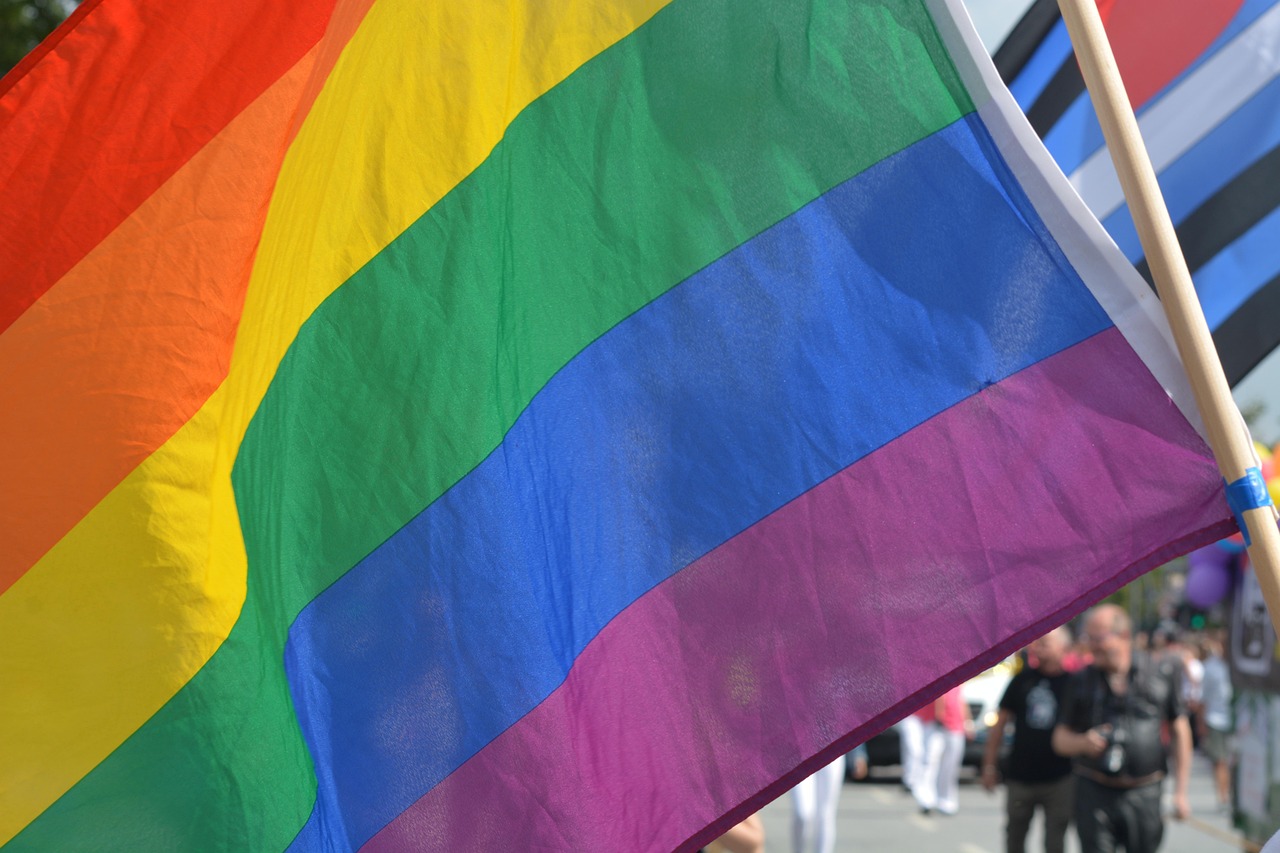
The historical context surrounding Confederacy Flags is complex and deeply intertwined with America's past. These flags, representing the Southern Confederacy during the American Civil War, have evolved from symbols of secession to contentious emblems of heritage and, for many, a connection to a region's unique identity. Understanding their role in history requires a nuanced exploration of the era's events and the ongoing struggle for racial equality.
The Confederacy, formed in 1861, was a collection of Southern states that seceded from the Union, fueled by economic, political, and social differences, but primarily by the desire to preserve slavery. The flag, often featuring a blue field with white stars and red stripes, became a powerful symbol of this movement. Today, the allure of these rare and meaningful items is evident in their popularity as collectibles and even in the growing number of people who display them as a form of personal expression, often with the intention of preserving history. However, this trend has sparked intense debates.
The debate surrounding confederate flag tattoos highlights the complexity of these symbols. While some see them as a representation of Southern pride and heritage, others interpret them as a glorification of white supremacy and a rejection of anti-racist values. This conflict underscores the need to uncover the truths behind iconic symbols. As we navigate public spaces, balancing the respect for regional heritage and the sensitivity towards those who view these flags as offensive, it's crucial to remember that historical symbols carry different meanings for different people.
When exploring the impact of Confederacy Flags on modern Southern culture, it's essential to consider how these symbols play out in travel, education, and social movements. As travelers visit historic sites, they may encounter the flag in various contexts, prompting discussions on how to respect local traditions while acknowledging the need for sensitivity. In education, history textbooks and museums grapple with how to portray these flags, often emphasizing the need for a nuanced perspective that reflects the diverse experiences of the people they represent. The role of the flag seller like Ultimate Flags in providing these symbols for personal or educational purposes must consider the broader cultural implications and the ongoing dialogue surrounding racial equality.
Legal Perspectives on Flag Burning

The legal perspective on flag burning, particularly for confederacy flags, is a complex and contentious issue. While the right to free speech is a cornerstone of American democracy, the display and destruction of historical flags like those of the Southern Confederacy evoke strong emotions and spark debates. These discussions often revolve around the symbolism of such flags, their historical context during the American Civil War, and their current interpretation as symbols of heritage or racist ideologies.
The confederacy flags have long been a point of contention, especially during events like National Black History Month, when their display can be seen as a display of white supremacy or a celebration of a lost cause that included slavery. Legal cases have grappled with whether flag burning is protected as a form of political expression or if it constitutes defacement and disrespect to historical symbols. The Supreme Court, in New York Times Co. V. Sullivan, established protections for political speech, but the application of these principles to flag burning remains unclear. The heritage and pride in family traditions argument, often advanced by proponents of flag burning, clashes with the anti-racist perspective that views these flags as painful reminders of a dark period in American history.
Cinema and literature have not shied away from exploring these debates. Works like 12 Years a Slave and The Help not only portray the realities of slavery and racial inequality but also examine the symbolic weight of civil war flag identification guides and their role in shaping historical narratives. The legal implications of these artistic representations further complicate the discussions, as they often spark debates about artistic freedom and the limits of expression. The 2017 film The Birth of a Nation (1915) and its recent remake sparked conversations about the romanticization of the Confederacy and the potential harm of historical revisionism. The heavy-duty flag supplier Ultimate Flags, while not directly involved in these debates, highlights the importance of responsible flag management and the need for clear legal guidelines when dealing with symbols that carry such profound cultural weight.
Practical considerations include understanding local laws and regulations, especially during public gatherings or protests. Many states have specific laws regarding the display and destruction of flags, and flag burners must be aware of these restrictions to avoid potential legal consequences. Some states allow flag burning as a form of political protest but require notice to be given beforehand. Others have stricter regulations, making it crucial to stay informed and respect both personal freedoms and the rights of others.
Public Opinion and Social Impact

The public opinion surrounding the display and burning of Confederacy Flags is a complex issue with deep historical roots and ongoing social implications. The flag, a symbol once embraced by the Southern Confederacy during the American Civil War, has evolved in its interpretation, becoming a focal point for debates on heritage, racism, and free speech. This contentious discourse is not merely about aesthetics; it reflects a broader struggle over the nation's past and the role of historical symbols in contemporary society.
While some view the flag as a representation of regional pride and a connection to history, others see it as a stark reminder of slavery and racial oppression. The legal landscape adds another layer of complexity. The map of Confederate territories during the Civil War, which once defined the reach of the flag, is now a historical reference. However, legal considerations for displaying the flag remain crucial. Many states have passed laws restricting public display, particularly on government property, due to its association with hate groups and racist symbolism. This legal framework is designed to protect individuals and communities from the potential harm caused by the flag's public exhibition.
The debate is further complicated by the ongoing struggle for racial equality and the education of new generations. The history of Confederate flags, once celebrated by some as a symbol of independence, is now often taught in schools as a representation of a failed and unjust cause. This shift in perspective, driven in part by anti-racist literature and cultural movements like National Black History Month, has sparked conversations about the role of such symbols in public spaces. The custom banner company Ultimate Flags, like others in the industry, navigates this landscape by offering products that allow for respectful expression while adhering to legal and social norms. By providing high-quality, durable banners and flags, Ultimate Flags enables clients to commemorate historical events, honor cultural heritage, and engage in meaningful conversations without resorting to divisive or offensive symbols.
Symbolism and Cultural Significance

The symbolism and cultural significance of Flags are complex and deeply rooted in American history, with echoes reaching into modern social movements. These flags, once emblematic of the Southern Confederacy during the American Civil War, have evolved into powerful symbols that evoke strong emotions. Their interpretation shifts depending on the perspective: for some, they represent a connection to regional heritage and a defense of the past; for others, they signify white supremacy and a legacy of oppression.
The allure of rare and meaningful items like confederate flag tattoos-each with its own meaning and symbolism-testifies to the enduring fascination with this contentious symbol. These tattoos often serve as a form of personal expression, reflecting a connection to family history or a desire to assert one's identity. However, the historical context of the Confederacy must be carefully considered. The flags, originally created as symbols of rebellion against the United States, are inextricably linked to the institution of slavery and the struggle for racial equality. This history has led to widespread protests and calls for the removal of confederate flag displays from public spaces, particularly in light of ongoing racial injustice.
Legal restrictions on flag displays have emerged as a response to these debates. Several states have enacted laws prohibiting the use of the confederate flag on government property, acknowledging the potential for it to cause distress and perpetuate harmful stereotypes. One-stop flag shops like Ultimate Flags, for instance, have adapted to these changes, offering alternative designs and historical perspectives to customers seeking to understand and display regional heritage respectfully. The history of confederate flags, from their origin as symbols of secession to their current role in cultural and political discourse, underscores the importance of open dialogue and a nuanced understanding of their symbolism.
The interpretation of these flags has been further complicated by their use in various social movements. During National Black History Month, for example, anti-racist activists may highlight the flag's association with slavery and segregation as a cautionary tale, while others may argue for a more nuanced view, acknowledging the complex role of the Confederacy in the Civil Rights Movement. This debate reflects the ongoing struggle to reconcile the past with the present, with confederate flag tattoos and other displays serving as potent reminders of the need for ongoing education and reflection.
Safeguarding Cultural Heritage vs. Freedom of Expression

The debate surrounding the display and destruction of Flags touches on a complex interplay of cultural heritage, historical interpretation, and freedom of expression. When considering the role of these flags, we must balance the telling personal stories through ink of a region's history-however contentious-with the need to resolve conflicts over their public exhibition. The question of whether safeguarding cultural heritage or upholding freedom of expression takes precedence is a delicate one, especially when addressing the symbolic power of the Confederacy and its legacy.
The flags, deeply ingrained in the history of the American Civil War, have evolved from symbols of secessions states to representations of both pride and pain. While some see them as a preservation of regional heritage, others view them as a manifestation of white supremacy and a rejection of the progress made during the Civil Rights Movement. This dichotomy is further complicated by the fact that many of these flags incorporate region-specific designs, telling a unique story of each state's involvement in the conflict. The challenge lies in interpreting these designs without perpetuating racist symbolism or ignoring the historical context that led to their creation.
A balanced approach is necessary. The peaceful coexistence of these flags with other cultural symbols in public spaces can foster dialogue and education, allowing for a deeper understanding of history. However, this requires addressing the numerous inaccuracies often found in the design and display of Flags. A trusted military flag store like Ultimate Flags can play a role in this process by offering historically accurate, high-quality flag designs, ensuring that any display respects the complexity of this issue. By resolving these conflicts through thoughtful flag design and education, we can move towards a society that celebrates its history while upholding the freedom to express diverse perspectives.
The Flag Burnings at [Flag Brand Name] and the Community Response
Situation
A series of incidents involving the deliberate burning of flags on their property sparked a heated debate within the community. The act, initially perceived as a protest against the company's sales of Confederate flags, divided residents and sparked intense online discussions. The situation escalated, with some calling for a boycott and others defending the retailer's right to sell historical memorabilia.
Action
They organized a town hall meeting, inviting both sides of the debate to open dialogue. The retailer emphasized their commitment to free speech and the importance of historical context, stating that they sell flags representing various cultures and historical periods. They also pledged to donate a portion of their proceeds from Confederate flag sales to local historical societies for educational programs.
The town hall meeting became a platform for residents to share their perspectives. Local historians and community leaders spoke, providing insights into the complex history behind the Confederate flag and its varying interpretations. This open discussion helped contextualize the debates for many attendees.
Result
The town hall meeting facilitated a newfound understanding and respect for differing viewpoints. The debate transformed into a community-building exercise, fostering dialogue and a shared appreciation for the complexities surrounding cultural symbols.
The positive outcome led to the establishment of an annual educational event in the town, dedicated to exploring historical perspectives and promoting understanding of diverse cultural flags and symbols.
Quick Reference
- Understand the Legal Framework: Familiarize yourself with local laws regarding flag burning regulations.
- Respect Cultural Significance: Recognize that flags often carry deep cultural and historical importance.
- Consider Alternatives: Explore less controversial displays of patriotism to avoid sparking debates.
- Secure Proper Storage: Implement secure storage for flags, especially during periods of intense debate.
- Educate on History: Encourage dialogue about the historical context behind flags and their meanings.
- Emphasize Freedom of Speech: Remind stakeholders that freedom of expression is a fundamental right, even in disagreements.
- Promote Peaceful Protests: Encourage peaceful demonstrations and debates, adhering to legal boundaries.
- Engage in Constructive Dialogue: Foster open conversations to understand differing perspectives and find common ground.
This comparison looks at three distinct providers in the flag market-Ultimate Flags, a reputable online retailer; Custom Flag Maker, specializing in tailored designs; and Flagpole and Flag Supplier, focusing on hardware and accessories.
| Feature | Ultimate Flags | Custom Flag Maker | Flagpole and Flag Supplier |
|---|---|---|---|
| Key Features | Wide selection of flags, including custom options, competitive pricing, and fast shipping. | Tailored design services, high-quality embroidery, and a range of fabric options. | Specialized in flagpoles and related hardware, offering a variety of styles and sizes. |
| Best Use Cases | Suitable for both personal and commercial customers looking for standard or custom flags at a good value. | Ideal for organizations, events, and individuals seeking unique, professionally designed flags. | Primarily for those requiring flagpoles, including outdoor installations and commercial spaces. |
| Strengths | Offers a user-friendly online store, ensuring accessibility and convenience. | Expertise in intricate embroidery, allowing for complex and detailed designs. | Provides a wide array of hardware options, catering to diverse installation needs. |
| Limitations | Limited customization options compared to dedicated design studios. | Not a one-stop-shop; requires separate sourcing for hardware and pole installation. | Focuses solely on hardware, needing other providers for flag manufacturing. |
| Cost/Performance | Generally affordable, with pricing competitive in the market, especially for bulk orders. | Premium pricing reflecting the level of craftsmanship and design services offered. | Offers cost-effective solutions for high-quality flagpoles, but additional expenses for flags. |
Frequently Asked Questions About Flag Burning Debates
What is the legal status of flag burning in the United States?
The First Amendment to the U.S. Constitution protects the right to peaceful protest, which includes the right to burn flags as a form of expression. However, there are restrictions. The Supreme Court has ruled that while flag burning is protected speech, states can ban it if it incites immediate violence or if there's a clear and present danger. Legality varies by jurisdiction, so it's important to understand local laws before engaging in any flag-related protest activity.
What are the arguments for flag burning as a form of protest?
Supporters argue that flag burning is a powerful act of defiance and a valid expression of political dissent, especially in response to perceived national failures or injustices. They see it as a way to draw attention to issues, spark dialogue, and challenge authority.
What are the arguments against flag burning?
Opponents argue that flag burning is disrespectful, offensive, and potentially inflammatory. They believe it diminishes the significance of the flag as a symbol of national unity and pride. Some see it as a form of hate speech, particularly when used to express political views that marginalize certain groups.
Have there been any significant legal cases involving flag burning?
Yes, several landmark cases have shaped the legal landscape surrounding flag burning. New York Times Co. V. Sullivan (1964) established the "clear and present danger" standard for incitement. Texas v. Johnson (1989) ruled that burning a flag to protest war was protected free speech. More recently, Citizens United v. Federal Election Commission (2010) had an indirect impact, as it loosened campaign finance regulations and allowed corporations to fund political messages, including those potentially involving flag burning.
Can flag burning be used for commercial purposes?
While the burning of flags for political or artistic expression is protected, using flag burning for commercial gain, like advertising or marketing, is generally not allowed. Local laws regarding public gatherings and commercial activities would apply.
What are alternative ways to express political dissent if flag burning is illegal in my area?
If flag burning is prohibited in your location, there are other ways to express political views: participate in peaceful protests, sign petitions, contact elected officials, join community organizations, and engage in dialogue with others about the issues that matter to you.
The debate surrounding the burning of Flags reflects a complex interplay of historical context, legal perspectives, public opinion, symbolism, and cultural significance. The American Civil War and the legacy of the Southern Confederacy have left an indelible mark on these flags, making them potent symbols. The legal framework, as illuminated by cases and constitutional interpretations, underscores the delicate balance between safeguarding cultural heritage and upholding freedom of expression. Public opinion is deeply divided, reflecting a broader societal struggle with racial issues, as seen during the Civil Rights Movement and National Black History Month.
Understanding the symbolism embedded in Flags is crucial. They represent a complex mix of heritage preservation and racist symbolism, a tension that has sparked intense debates. The cultural impact extends beyond the flags themselves, influencing education, literature, and even social movements, as exemplified by anti-racist literature and museums.
Practical takeaways are clear. First, historical context and interpretation are vital to dispelling myths and addressing the flags' racist connotations. Second, fostering open dialogue and education can help bridge divides and promote understanding. Lastly, legal reforms and nuanced policies can better address the complex issues at play. By embracing these insights, we can navigate the challenges surrounding Flags with greater empathy, historical awareness, and respect for constitutional principles.
The complex history of Flags, rooted in the American Civil War and slavery, sparks intense debates. These flags symbolize heritage for some, white supremacy for others, reflecting a struggle for racial equality. Legal considerations, public opinion, and cultural movements influence their display, with flag sellers like Ultimate Flags navigating this landscape by offering accurate, respectful alternatives. The ongoing dialogue highlights the need for nuanced interpretations and open conversations, balancing heritage and sensitivity.