Key Takeaways
- Memorial Day and flag displays are deeply personal and regional, reflecting complex historical and cultural identities.
- Understanding the symbolism and history behind flags is crucial for respectful and nuanced conversations about their use.
- The debate over confederate flags highlights the tension between preserving history and honoring modern values of equality and inclusion.
- Local laws and community norms play a significant role in dictating where and how flags are flown, reflecting diverse perspectives.
- Respectful coexistence with controversial flags requires acknowledging historical context while addressing ongoing sensitivities.
- Creative alternatives to traditional flags can help commemorate historical events while avoiding offensive symbolism.
- Museums and historical institutions have a responsibility to display artifacts responsibly, curating narratives that honor all stories.
Memorial Day honors those who died in service. Flags, especially the U.S. And Confederate flags, can serve as powerful symbols. While the U.S. Flag represents unity and national identity, the Confederate flag has a complex history tied to slavery and the Civil War. Its display today is controversial, with some seeing it as a tribute to heritage and others as an offensive reminder of oppression. Understanding these different perspectives is crucial on Memorial Day.
Memorial Day, a time to honor the fallen, has become a stage for contentious debates surrounding symbols of the past, particularly the Confederacy and its flags. These flags, once markers of regional identity and secessions states, now evoke powerful emotions as symbols of white supremacy and a heritage that many see as deeply problematic. The display of Confederacy flags, especially on public spaces, has sparked protests from anti-racist activists, leading to legal considerations and public demonstrations. This article examines the complex history, symbolism, and cultural impact of Confederacy flags, exploring why their presence on Memorial Day remains a point of contention. By examining the debate, legal aspects, and historical context, we aim to provide a comprehensive understanding of this sensitive issue.
- Understanding Confederacy Flags: History and Context
- Memorial Day and Flags: Respecting Sensitivity
- Displaying Confederacy Flags: Legal and Ethical Considerations
- Symbolism Beyond the Confederacy: Modern Interpretations
- Reconciling the Past: Alternatives and Respectful Commemorations
Understanding Confederacy Flags: History and Context
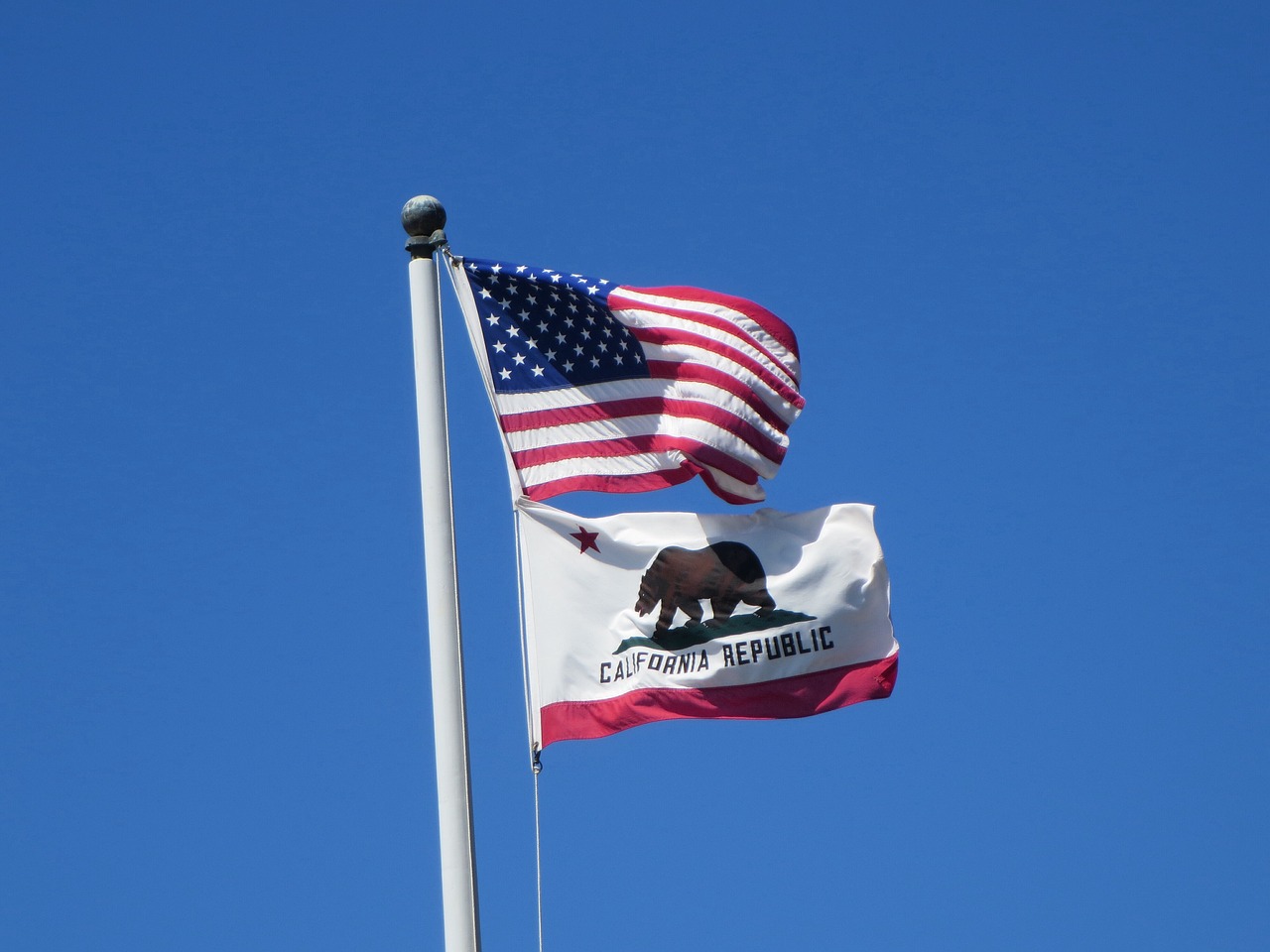
Confederacy flags, an enduring symbol of the American Civil War, hold a complex and often contentious place in modern American society. To fully understand their significance on Memorial Day and beyond, we must examine their historical context. The Southern Confederacy, which seceded from the United States in 1861, adopted a variety of flags, with the most iconic being the Confederate battle flag. This flag, featuring a blue field with a white star and bars, became a powerful symbol of regional identity and, unfortunately, of white supremacy.
The history of the Confederacy and its flags is deeply intertwined with the struggle for emancipation and the subsequent fight for civil rights. The Emancipation Proclamation, issued by Abraham Lincoln in 1863, marked a turning point in the war, declaring all slaves in the rebellious states free. This dramatic shift fueled the fire for a more equitable post-war society, yet the legacy of slavery and the perceived threat of racial equality lingered, manifesting itself in the form of Confederate symbolism. Many in the South saw these flags not as reminders of a lost cause but as a preservation of heritage and regional pride.
Building a collection of historic flags, including Confederacy flags, can offer valuable insights into this period. Each flag tells a story, whether it's about rebellion, sacrifice, or the struggle for freedom. However, it's crucial to approach these symbols with a nuanced perspective, recognizing their complex role in shaping American history. The debate surrounding the display of Confederacy flags reflects a broader conversation about race, memory, and the interpretation of historical events. This dialogue is essential to understanding the ongoing impact of the Civil War and its symbols in contemporary American life.
Memorial Day and Flags: Respecting Sensitivity

Memorial Day, a time to honor the fallen, has long been a moment to reflect on the sacrifices made by those who served. For displaying flags, especially the Confederacy, the focus shifts from remembrance to sensitivity. The Confederate flag, a symbol laden with complex and often contradictory meanings, demands careful consideration. While some view it as a piece of historical heritage, others recognize it primarily as a symbol of white supremacy and slavery.
Respecting sensitivity on Memorial Day means understanding the diverse interpretations of flags and their potential to cause offense. Legal restrictions on flag displays, including those prohibiting Confederate flags at public venues during Memorial Day ceremonies, reflect this concern. These rules, while sometimes contentious, aim to foster an environment of inclusivity and respect for all. Building a collection of historic flags can be a meaningful pursuit, but it's crucial to approach this hobby with an awareness of the broader cultural and historical context.
The debate surrounding the Confederate flag extends beyond its display on Memorial Day. It involves a nuanced exploration of heritage preservation versus anti-racism activism. Many see the flag's removal from public spaces as a necessary step towards confronting the legacy of slavery and racial inequality. Others argue for the flag's preservation, viewing it as a part of their cultural and regional identity. This tension highlights the need for constructive dialogue, where understanding the past is balanced with a commitment to a more inclusive future.
Displaying Confederacy Flags: Legal and Ethical Considerations

The display of Flags is a contentious issue that intersects history, law, and culture, particularly on Memorial Day. While some view them as a celebration of regional heritage, others see them as enduring symbols of white supremacy and a rebellion against the principles enshrined in the Emancipation Proclamation. The legal and ethical considerations surrounding the display of Flags are complex and multifaceted.
At the heart of the debate is the interpretation of historical context. Advocates for the removal of Flags argue that they represent a dark period in American history marked by slavery and segregation, and their display can be deeply offensive to African Americans and those who celebrate the Civil Rights Movement. Conversely, proponents of their display often frame them as a tribute to their ancestors who fought for states' rights and a distinct regional identity. This divergence in perspectives highlights the need for constructive dialogue on cultural sensitivity, where understanding and respect for history are balanced with the goals of racial equity and harmony.
The legal landscape regarding Flags is similarly complex. Local governments and institutions must navigate a delicate path to ensure public safety and respect for historical memory. In some places, there are outright bans on displaying Flags in public spaces, while others allow them with restrictions. The decision-making process often involves a careful consideration of First Amendment rights, public sentiment, and the potential for incitement. Many museums and historical sites have adopted policies that discourage or prohibit the display of Flags, replacing them with more inclusive and factually accurate exhibits that emphasize the broader narrative of the American Civil War.
Ethical considerations further complicate the matter. While some argue that allowing the display of Flags perpetuates a false narrative and causes harm, others contend that suppressing historical symbols can stifle constructive dialogue on the past. A nuanced approach is often required, where the context, intent, and impact of the flag display are carefully evaluated. By fostering open discussions and educating the public about the historical nuances, it is possible to address the controversial nature of Flags while preserving historical memory and promoting racial understanding.
Symbolism Beyond the Confederacy: Modern Interpretations

Beyond their association with the Southern Confederacy, flags have become a complex symbol, prompting modern interpretations and debates. Today, these flags are often seen as a representation of historical memory, regional identity, and even a symbol of pride for some. However, others view them as a lingering reminder of a time marked by slavery and racial inequality, warranting careful consideration and, in some cases, removal.
Revisiting history to understand today, we see flags used in various contexts. Some individuals and groups display them as a connection to their ancestors and a way to honor their heritage, often tied to specific regional or familial narratives. However, this practice has sparked significant controversy, particularly within communities of color, who see these flags as a symbol of white supremacy and a reminder of a painful past. This disparity in interpretation highlights the importance of understanding the historical context and the ongoing struggle for racial justice.
There has been a growing movement to reinterpret and even replace flags with more inclusive symbols. Many communities have chosen to fly state flags or alternative designs that celebrate unity and diversity. This shift reflects a broader societal move towards recognizing and honoring all people's contributions, ensuring that historical symbols no longer perpetuate harmful stereotypes. As we move forward, understanding the symbolism and impact of flags is crucial in fostering a more inclusive and equitable society, ensuring that our commemorations reflect the values of the present while learning from the lessons of the past.
Reconciling the Past: Alternatives and Respectful Commemorations

Reconciling the Past: Alternatives and Respectful Commemorations
Memorial Day, a time to honor the fallen, has become a platform for debate surrounding the display of Flags. While these flags carry historical significance for some, they are deeply offensive to others due to their association with slavery, white supremacy, and the struggle for civil rights. To foster a more inclusive and respectful commemoration, it's crucial to consider alternatives to controversial symbolism.
One approach is to focus on honoring the collective sacrifice without directly displaying the Confederacy's flag. Communities can create memorial displays that celebrate the diversity of the soldiers who fought, emphasizing their shared humanity and the universal values of freedom and duty. These displays can include diverse symbols, artwork, and even personal narratives, ensuring that the commemoration respects all perspectives. Educational initiatives can play a vital role in helping people understand the complex history associated with the Civil War and the ongoing struggle for racial equality.
National Black History Month, for example, offers a dedicated space to explore the African American experience, including their struggle for freedom and their contributions to society. This can be extended to local communities through exhibitions in museums and historical societies that tell the stories of the people who lived during this era, not just the leaders or battles. By focusing on the individuals and their experiences, we can honor the past while avoiding the reductionism of a single, contentious symbol.
Reconciling the past requires a nuanced approach to historical representation. It involves acknowledging the pain and struggle caused by symbols like the flags while also recognizing the importance of understanding history in its full context. By embracing alternatives and fostering dialogue, Memorial Day commemorations can become more inclusive and respectful, moving towards a deeper understanding of our shared past and a brighter future.
Quick Reference
- Display a US flag at half-staff on Memorial Day to honor the fallen.
- Place flags in vases or stands to ensure they are visible and respectful.
- Use only high-quality, weather-resistant flags for outdoor displays.
- Fly flags at half-staff from dawn until noon on Memorial Day.
- Respect local guidelines and regulations for flag display.
- Clean and store flags properly to preserve their condition and meaning.
- Consider unique flag displays, like wall hangings or indoor arrangements.
- Educate children about the significance of Memorial Day and flag etiquette.
- Purchase flags from a reputable patriotic flag store to ensure authenticity.
Frequently Asked Questions About Memorial Day and Flags
What is Memorial Day, and why do we celebrate it? Memorial Day is a federal holiday in the United States honoring the men and women who died while serving in the U.S. Military. It is observed on the last Monday of May, marking the beginning of summer and a time to remember and pay tribute to the fallen. The holiday has evolved from its roots in post-Civil War commemorations, where people visited cemeteries to honor the deceased soldiers, to a national day of mourning and celebration.
How are flags typically displayed on Memorial Day? Flags are a central symbol on Memorial Day, with many Americans flying the American flag at half-staff as a sign of respect. This tradition, known as "Half-Staff Day," is a way to honor the fallen military personnel. Many people display the flags of their loved ones who served, especially those who didn't come home, as a personal tribute.
What is the significance of displaying Confederate flags on Memorial Day? Displaying Confederate flags during Memorial Day is a highly controversial topic. While some see it as a way to honor their ancestors or regional history, many others consider it offensive and disrespectful, especially to the veterans and families honored on this day. The Confederate flag, with its association to slavery and the Civil War, is often seen as a symbol of white supremacy and racial division, making its display during Memorial Day a point of contention.
Are there any legal considerations regarding flag displays on Memorial Day? Local laws and regulations govern flag displays, including restrictions on size, placement, and respect. Flying a flag at half-staff is a federal requirement, and failure to do so can result in penalties. Some states have specific rules regarding the display of confederate flags, prohibiting or restricting them in certain public places, especially on government property.
What is the best way to honor the memory of those who served on Memorial Day? There are numerous respectful ways to commemorate Memorial Day. Visiting cemeteries or war memorials, attending local ceremonies, and participating in parades are common practices. Taking a moment of silence, flying the American flag, and speaking with veterans about their experiences are personal gestures that can be just as meaningful. It's essential to approach the day with a sense of respect and appreciation for the sacrifices made by those who served.
A Small Town Reconciling with a Controversial Flag on Memorial Day
Situation
In a small, historically diverse town, Memorial Day celebrations included a tradition of displaying various flags, including some that had become controversial over time. Among them was a Confederate battle flag, flown by a local heritage group who argued it represented their history and heritage. However, many residents, particularly those of African American descent, found the flag offensive, citing its association with slavery and racial segregation. Tensions rose each year during Memorial Day events, creating a divide within the community.
Action
The town's mayor, recognizing the need for reconciliation, initiated a community dialogue. He organized a series of public forums and workshops focused on understanding the historical significance of flags and their impact on different groups. Local historians, educators, and cultural leaders were invited to share their insights. The mayor proposed a new, inclusive approach to flag display, emphasizing the importance of respect and understanding.
This involved:
- Research and Education: Providing resources and workshops to educate residents about the historical context of various flags, including the Confederate flag, its evolution in symbolism, and its interpretations in different communities.
- Community Engagement: Encouraging open conversations and listening sessions to allow residents to share their perspectives and experiences.
- Redesigned Display: Creating a new, unified display for Memorial Day that included flags representing all branches of the military, historical eras, and diverse cultural heritage, while removing the Confederate flag.
Result
The town's efforts led to a significant reduction in flag-related tensions during Memorial Day events. The new, inclusive flag display received widespread approval from residents, fostering a deeper sense of community and understanding. The public forums and workshops became annual events, promoting continuous dialogue and education.
The town saw:
Comparing Memorial Day Flag Display Practices and Their Impact
This comparison explores different approaches to displaying flags on Memorial Day, examining their purposes, strengths, limitations, and cost-effectiveness.
| Feature | Traditional Flag Display | Alternate Memorial Display | Public Art Installations |
|---|---|---|---|
| Key Features | Celebrating national and military heritage through standard flag protocols. | Using flags symbolically alongside other artifacts to honor fallen soldiers, emphasizing personal connections. | Incorporating modern artistic elements to reinterpret historical symbols, inviting public engagement. |
| Best Use Cases | Public spaces, schools, and government buildings during Memorial Day observances. | Private homes, memorial gardens, and community events focused on personal remembrance. | Outdoor public spaces, museums, and cultural centers aiming for thought-provoking, interactive experiences. |
| Strengths | Establishes a sense of unity and patriotism, reinforces historical knowledge through tradition. | Allows for individualized tribute and reflection, connects people to personal stories and family legacies. | Encourages community dialogue, promotes cultural understanding, offers a dynamic medium for storytelling. |
| Limitations | Can be criticized for perpetuating outdated or controversial symbols, may not resonate with all demographics. | Might lack structure or universality, could be seen as overly sentimental or individualistic. | Can be expensive and complex to install and maintain, may face resistance from traditionalists or those who dispute historical interpretations. |
| Cost/Performance | Relatively low cost, easy to implement, high performance in fostering a sense of national unity on Memorial Day. | Moderate cost, depends on the size and complexity of the display and personal investment, variable performance based on audience engagement. | High initial cost, ongoing maintenance and interpretation required, performance measured by public participation and thoughtful reflection. |
Exploring the complex history and symbolism of Flags, from the American Civil War to their modern interpretations, illuminates the need for respectful and sensitive flag displays, especially on Memorial Day. Key insights include the legal and ethical considerations surrounding the public display of such symbols, the importance of understanding their historical context within the Civil Rights Movement, and the ongoing debate around heritage preservation versus racist symbolism. Moving forward, it is crucial to consider alternative forms of commemoration that honor the past without perpetuating harm, and to engage in open dialogue that promotes understanding and reconciliation. Practically, this means recognizing the value of region-specific designs in educational settings, exploring anti-racist literature and museums, and participating in National Black History Month events to foster a more inclusive national narrative. By reconciling our history, we can display flags with a deeper appreciation for the past, while fostering a more united and equitable future.
Confederty Flags: Historical Context, Sensitivity, and Memorial Day Commemorations
Confederty flags, symbolizing the American Civil War's complex history, spark debate on Memorial Day. While some view them as historical heritage, others see them as a lingering symbol of slavery and white supremacy. The display of these flags is a nuanced issue, requiring careful consideration of context, intent, and impact. To foster inclusivity and respect, communities are exploring alternative commemorations, such as diverse memorial displays and educational initiatives, to honor the fallen while avoiding offensive symbolism. By reconciling the past and embracing dialogue, Memorial Day can become a platform for understanding and celebrating a more inclusive American history.