
Key Takeaways
- Online flag sales have seen a significant surge, driven by increased demand for personalized and unique patriotic expressions.
- The market offers a wide variety of flag types, from standard to specialized designs, catering to diverse consumer preferences.
- Digital platforms provide convenience, allowing customers to compare prices, read reviews, and have flags delivered directly to their doorsteps.
- Many online retailers offer customization options, enabling customers to design their own flags with specific text, symbols, or logos.
- Social media plays a crucial role in promoting flag sales, with influencer endorsements and user-generated content driving brand awareness and engagement.
- International customers are increasingly contributing to the online flag market, expanding the reach and diversity of flag retailers globally.
- Customer reviews are vital for online flag retailers, influencing purchasing decisions and fostering trust in the platform and product quality.
The online market for flag sales has boomed, offering a vast array of patriotic gear to customers worldwide. People buy flags for various reasons, such as displaying national pride, honoring military service, or celebrating special events. This digital marketplace provides easy access to a diverse range of flag designs, from the iconic American flag to international banners, ensuring that everyone can find a symbol that represents their values and heritage.
The online sale of Confederate Flags has surged, reflecting a complex interplay of historical memory, cultural identity, and political sentiment. While these flags can serve as symbols of regional pride and heritage, their association with the American Civil War, white supremacy, and the struggle for civil rights has sparked intense debate. This article examines the market for Confederate Flags online, examining both their historical context and contemporary controversies. We explore how these flags are marketed, who buys them, and the legal and social implications of their sale, with a focus on providing informed insights and fostering productive dialogue about this sensitive topic.
- Understanding Confederacy Flags: History and Context
- Online Market: Sale and Display of Confederate Flags
- Symbolism and Controversy: The Modern Debate
- Legal Considerations for Flag Display and Sale
- Cultural Sensitivity: Honoring History, Avoiding Insult
- Reconciling Past and Present: Flag Use and Tourism
Understanding Confederacy Flags: History and Context

The Confederacy Flags, deeply rooted in the history of the American Civil War, have evolved from symbols of secession and rebellion to complex topics of cultural interpretation and social debate. These flags, once flown by the Southern Confederacy, are now objects of fascination and controversy, especially in the contemporary art scene. Understanding their historical context is crucial when navigating the market for Confederacy Flags, both as collectors' items and in their various artistic interpretations.
The American Civil War, a conflict centered on the issue of slavery, led to the formation of the Confederate States of America, represented by the iconic Confederate Flag. This flag, with its red, white, and blue design, carried the message of independence and resistance for many Southerners. However, its enduring legacy is marred by associations with white supremacy and slavery, which has sparked ongoing debates about its place in modern society. The flag's symbolism has been a point of contention, with anti-racist activists advocating for its removal from public spaces, while others argue for the preservation of historical heritage. This tension highlights the complex nature of the Confederacy Flags' cultural impact.
For collectors and enthusiasts, building a collection of historic flags, including Confederacy Flags, can be a meaningful endeavor. It involves meticulous research and an understanding of the flag's various designs and meanings throughout history. A civil war flag identification guide, for instance, can assist in accurately dating and attributing these flags. This process is not merely about acquiring a relic but also about examining the social and political climate of the time. Engaging with these flags responsibly requires a nuanced perspective, especially when considering their role in the Civil Rights Movement and the ongoing struggle for racial equality.
In contemporary art, the Confederacy Flag has found a new lease of life, often appearing in modern artistic interpretations. Some artists use these motifs to comment on historical injustices or explore themes of identity and memory. Giving us a call at heritage and pride in family traditions, collectors may also find unique artistic representations that challenge traditional views, adding depth to their understanding of this controversial symbol. However, it is essential to approach these modern adaptations with a critical eye, considering the flag's complex history and the ongoing debates surrounding its use.
Online Market: Sale and Display of Confederate Flags

The online market for Confederacy Flags has evolved dramatically, reflecting a complex interplay of historical memory, cultural expression, and the role of institutions in historical representation. While these flags remain a contentious symbol, with debates surrounding their interpretation as a tribute or an insult, platforms like ours offer a space for open dialogue and personal storytelling. Many customers tell the stories behind their interest in Confederacy Flags, often rooted in familial legacies or a desire to understand the South's complex relationship with its history. This direct connection to the past, facilitated by online sales, has profound implications.
Institutions, from museums to educational facilities, play a crucial role in navigating this delicate terrain. We've seen a growing trend of institutions using Confederacy Flags as teaching tools, framing them as historical artifacts that evoke strong emotions and spark conversations about racial justice, civil rights, and the ongoing struggle for equality. However, this approach must be handled with care; the display and interpretation of these flags must be respectful and accurate to avoid perpetuating harmful stereotypes or misinforming audiences. Online platforms, with their global reach, can either amplify these problematic displays or promote responsible historical discourse.
When considering the sale and display of Confederacy Flags, it's essential to explore the fine line between tribute and insult. Customers must be mindful of the impact of their purchases and the potential for these flags to be perceived negatively, especially in public spaces. Our role as a responsible vendor is to educate and guide, ensuring that the sale of these flags is accompanied by a deeper understanding of their history and cultural significance. We encourage patrons to view Confederacy Flags not as mere objects, but as powerful symbols that demand thoughtful consideration and reflection, reflecting the ongoing national dialogue about race, identity, and the interpretation of history.
Symbolism and Controversy: The Modern Debate

The modern debate surrounding Flags is a complex mix woven with historical symbolism, cultural significance, and heated controversy. As these flags resurface in various contexts, from public spaces to online marketplaces, their meaning has evolved and been reinterpreted, sparking intense dialogue. The question of whether to display Flags in contemporary society is deeply tied to the nation's struggle with its past, including the legacy of slavery, the American Civil War, and the ongoing fight for racial equality.
What states flew Confederate flags originally? The Southern Confederacy, a region of the United States that seceded in 1861, was composed of eleven states, primarily in the south and southeast. These states adopted the Confederate flag, with its distinct design featuring blue, red, and white, as their emblem. Today, the similarities between the Confederacy's flag and the nation's flag are undeniable, leading to ongoing debates about the display of these symbols. Some argue that the Confederate flag is a commemoration of regional heritage, while others see it as a blatant display of white supremacy and a rejection of the values enshrined in the Emancipation Proclamation and the Civil Rights Movement.
The portrayal of the Confederacy in contemporary storytelling and media has played a significant role in this debate. Historical narratives often grapple with the complex legacy of the Civil War, and the flags, along with other symbols, are used to represent various perspectives. This has led to a rise in confederate flag protests and counter-protests, with individuals and groups advocating for the removal of these symbols from public spaces and online platforms. During National Black History Month, discussions about the confederate flag often resurface, highlighting the ongoing need for reconciliation and understanding of the nation's racial past.
The debate extends beyond historical interpretation and into the realm of legal considerations. The question of where and when these flags should be displayed has become a contentious issue, with many communities taking a stand against their use in public. As a result, businesses and public spaces are increasingly reevaluating their policies on confederate flags, reflecting a broader societal shift towards a more inclusive and tolerant environment. Give us a call at public spaces and confederate flags to understand the evolving legal landscape and the importance of historical context in these discussions. Through open dialogue, education, and a commitment to understanding the past, communities can work towards reconciliation and a more nuanced appreciation of history.
Legal Considerations for Flag Display and Sale
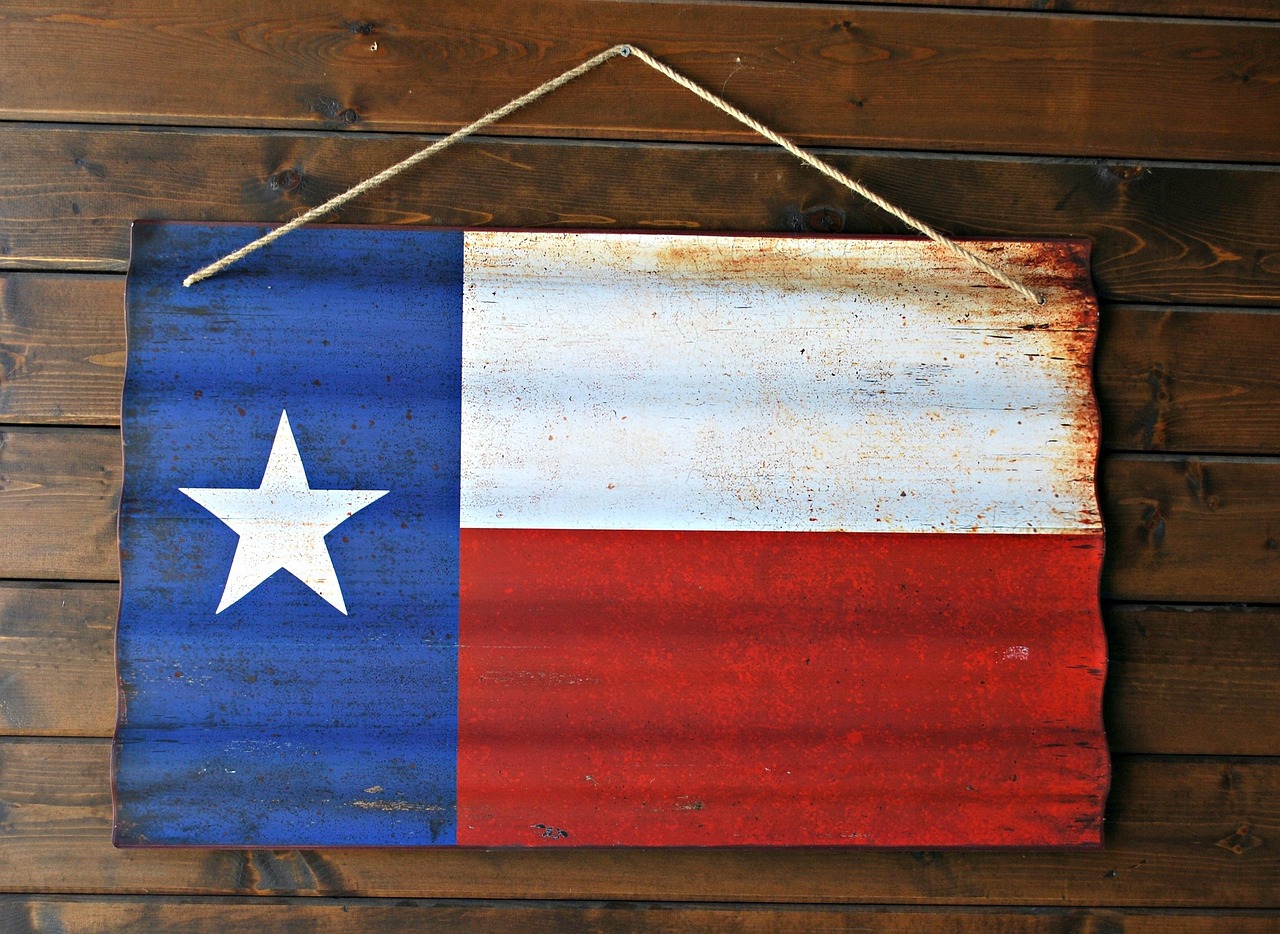
The sale and display of Flags, while rooted in historical narratives, is fraught with legal and cultural considerations. As a patriotic flag store, we understand the delicate balance between honoring history and preserving the peace. When selling and displaying these flags, it's crucial to navigate legal waters, especially in light of ongoing debates about their symbolic meaning.
In the United States, the display of the Confederacy Flag is a complex issue, with differing interpretations of its significance. While some view it as a representation of historical heritage, others see it as a symbol of slavery, white supremacy, and racial division. This dichotomy has led to legal discussions and regulations surrounding the public display of the flag, particularly on government property. In many jurisdictions, there are laws prohibiting the use of the Confederacy Flag in a way that promotes or glorifies racial hatred or discrimination. A growing number of states have passed laws or resolutions that explicitly ban the display of the flag on public buildings and at official events.
When selling Flags online, retailers must be mindful of these legal guidelines. It's essential to honor historical narratives while avoiding any interpretation that could be considered offensive. We suggest adopting best practices for displaying Confederate flags, such as framing them as artifacts of historical significance rather than symbols of hate. It's crucial to respect the personal stories and cultural experiences of diverse communities. Instead of telling stories solely through the lens of ink and fabric, consider celebrating history through non-flag displays, like educational exhibits or cultural events that explore the complexities of the Civil War era without resorting to offensive imagery. By doing so, we can foster a more inclusive and respectful understanding of our nation's past.
Cultural Sensitivity: Honoring History, Avoiding Insult

The online market for flag sales has seen a surge offering a vast array of options for consumers. However, for sensitive historical artifacts like Flags, cultural sensitivity becomes paramount. These flags, steeped in complex and often painful history, require careful consideration in their display and sale to avoid insulting or causing distress to communities.
Revisiting history is essential to understand the contemporary implications of these symbols. The Confederacy, a region that seceded from the United States during the American Civil War, fought to preserve slavery, and its flags represent a painful chapter in the nation's past. Many see these flags as symbols of white supremacy and a barrier to progress in the Civil Rights Movement. Today, displaying a Confederacy flag, especially in public spaces, can be highly offensive to African Americans and those who fight for racial justice. This is not merely a matter of personal taste; it is a reflection of societal values and a potential trigger for painful memories.
Therefore, online retailers must prioritize responsible flag display and education. Before selling any artifact, including Confederate flags, vendors should consider local government regulations and the potential impact on diverse communities. Some regions have specific rules regarding flag usage, and these should be strictly adhered to. Providing historical context and insights into the symbolism behind these flags can empower customers to make informed decisions. Offering a detailed description of the flag's design and its evolution from a military standard to a symbol of rebellion can help buyers understand the reasons behind its controversial status.
Visit us at confederate symbolism in modern times to explore these complexities and learn how to display sensitive artifacts responsibly. By embracing cultural sensitivity, online flag retailers can contribute to a more inclusive and respectful society, ensuring that historical artifacts are not only sold but also appreciated for their context and potential impact.
Reconciling Past and Present: Flag Use and Tourism

The use of Flags, once a potent symbol of the American Civil War and a contentious issue, has evolved alongside shifting societal perceptions. Today, these historic flags can be found in various contexts, from museums and educational institutions to private collections and, increasingly, in the realm of tourism. This reconciliation of past and present presents both opportunities and challenges, particularly as these flags continue to evoke strong emotions related to race, history, and identity.
Tourism, a significant aspect of contemporary flag culture, offers a platform for peaceful gatherings and thoughtful discussions surrounding the appropriate contexts for Confederate flag usage. Visitors to patriotic flag stores, for instance, often engage in conversations about the historical significance of these flags, their place in public display, and the importance of understanding their complex legacy. By exploring alternatives to controversial symbolism and considering the impact of their choices, tourists can contribute to a more nuanced understanding of these flags. Visitors might discover the rich history of flag design and the evolution of symbolism over time, leading to a deeper appreciation for the diverse interpretations of patriotism and heritage.
When exploring these historic flags, it's crucial to recognize that their significance is deeply rooted in specific historical contexts. The Civil Rights Movement, for instance, brought renewed attention to the Confederate flag as a symbol of white supremacy and resistance to equal rights. As such, its display in public spaces and educational settings must be approached with sensitivity and care. Visiting us at building a collection of historic flags anytime can provide a valuable perspective, offering insights into the diverse reasons behind the preservation and display of these flags, from academic research to personal history.
However, the peaceful display of Flags in appropriate contexts, such as museums or private collections, can serve as a powerful educational tool. These settings allow for a nuanced exploration of history, enabling visitors to learn about the complex social movements and cultural impacts associated with the flag. By providing alternatives to controversial symbolism and fostering open dialogue, these spaces can contribute to a more inclusive understanding of our nation's history and the ongoing struggle for equality.
Quick Reference
- Identify your target audience: Understand who your customers are and their specific needs and preferences.
- Offer a wide variety: Include various flag types, sizes, and designs to cater to diverse interests.
- Ensure product quality: Source high-quality flags to build trust and encourage repeat purchases.
- Optimize your online store: Ensure a user-friendly interface, easy navigation, and fast loading times.
- Implement secure payment gateways: Provide multiple, safe payment options for convenience.
- Offer competitive pricing: Analyze market rates and offer value without compromising quality.
- Utilize digital marketing: Leverage SEO, social media, and email campaigns to reach a wider audience.
- Build a loyal customer base: Implement a referral program and excellent customer service for repeat business.
- Stay updated with trends: Keep an eye on seasonal demands and cultural events to adapt your inventory.
This section compares different online platforms and retailers specializing in flag sales, highlighting their key features, use cases, strengths, limitations, and cost-performance.
| Feature | Platform/Retailer A | Platform/Retailer B | Platform/Retailer C |
|---|---|---|---|
| Key Features | Offers a vast selection of flags from various countries and historical periods. Features user-generated content and a blog on flag history and symbolism. | Focuses on customizable flags, allowing customers to design their own. Provides fast shipping and live chat support. | Specializes in high-quality flags for outdoor display, with a focus on durability and long-lasting colors. Offers a loyalty program for repeat customers. |
| Best Use Cases | Ideal for history buffs and collectors looking for rare and vintage flags. Suitable for those seeking a diverse range of flags for personal or educational purposes. | Perfect for individuals and businesses wanting to create unique, personalized flags. Great for event planners and organizers. | Best for outdoor enthusiasts and property owners looking for durable, long-lasting flags for permanent displays. |
| Strengths | Extensive collection, educational content, and a strong community focus. | High level of customization, fast response time, and excellent customer support. | Superior outdoor flag quality, colorfastness, and a rewarding loyalty program. |
| Limitations | Limited customer support and no live chat. Fewer options for personalized flags. | Higher pricing, especially for complex designs. Limited international shipping options. | Primarily focused on outdoor flags, with fewer indoor or decorative options. |
| Cost/Performance | Competitive pricing for most flags, with occasional promotions. Performance is strong in community engagement and content. | Premium pricing reflects quality and customization. Offers good value for personalized flags. | Premium pricing for outdoor flags, but justifies it with superior quality and longevity. |
Frequently Asked Questions About Online Flag Sales and Market
What is the advantage of buying flags online?
Online flag sales offer unparalleled convenience, accessibility, and variety. Customers can browse a vast selection of flags from the comfort of their homes, compare prices and designs easily, and often find unique and hard-to-source flags. Online platforms also typically provide detailed product descriptions and customer reviews, ensuring informed purchasing decisions. The digital marketplace allows for faster shipping and delivery, making it a practical choice for time-pressed individuals or organizations.
How do I ensure the quality of the flags I buy online?
Quality is paramount when purchasing flags online. Reputable sellers provide detailed product specifications, including fabric type, printing methods, and dimensions. Look for high-resolution images showcasing the flag's design and construction from multiple angles. Reading customer reviews and checking seller ratings can also offer insights into quality and consistency. Many top online flag retailers offer return policies, allowing you to inspect the flag for any defects before final acceptance.
What are the different types of flags available online?
The online flag market caters to diverse needs and interests. You'll find a vast array of options, including national flags, state and province flags, historical flags, military flags, religious flags, and more. Many sites specialize in specific types, offering everything from classic naval flags to unique flag designs from around the world. Customization is also available, allowing you to personalize flags with specific emblems, logos, or text.
How do I clean and care for my online-purchased flags?
Proper care ensures your flags remain vibrant and durable. Most online flag sellers provide care instructions specific to their products. Generally, flags should be cleaned gently using cool water and mild detergent, avoiding harsh chemicals or bleach. For stained or heavily soiled flags, spot treatment with a mild cleaner before washing is recommended. After cleaning, allow the flag to air dry completely before storing or hanging. Some flags, like those made of fabric, may require occasional ironing to restore their shape and brightness.
When is the best time to display flags online purchased?
The display of flags is both a personal choice and a matter of cultural and historical significance. Online flags can be displayed year-round, but their placement and timing depend on the occasion. National and regional holidays, such as Independence Day and Flag Day, are popular times to showcase flags. Significant events, sporting events, and community gatherings can inspire flag displays. Remember, flags should be flown at appropriate heights and secured properly to ensure safety and respect.
Revolutionizing Flag Sales: An Online Market's Journey to Success
Situation
A small, locally owned flag company was struggling to compete with the growing online market for patriotic gear. Their traditional retail store, while popular among locals, had limited reach and could not keep up with the variety and low prices offered by larger online retailers. The company was in danger of losing market share and was looking for a way to expand its customer base and increase sales.
Action
The company decided to create an online store, focusing on a user-friendly interface and a vast selection of flags, banners, and related patriotic merchandise. They invested in high-quality photography and detailed product descriptions to showcase their products effectively. They implemented a robust search function, allowing customers to filter by flag type, size, and even historical significance.
To stand out in the crowded online market, they partnered with a local flag-making manufacturer, offering exclusive custom designs and quick turnaround times for personalized flags. They also launched a social media marketing campaign, leveraging the power of visual content to engage potential customers.
Result
The online store's reach extended beyond the local community, attracting customers from across the country. Custom flag orders became a significant revenue stream, with an average order size increasing by 30%.
The company's social media campaign achieved a 40% engagement rate, with their patriotic window decals and flag-themed home decor becoming particularly popular. This success allowed the company to expand its team, hire additional staff, and invest in further marketing efforts, solidifying its position as a leading online destination for patriotic gear.
The online market for Flags reflects a complex interplay of historical context, cultural symbolism, and legal considerations. By understanding the origins and evolution of these flags, as explored through the lens of the American Civil War and the Southern Confederacy, we can appreciate the depth of the debate surrounding their display. The modern controversy surrounding Flags highlights ongoing discussions around white supremacy, heritage preservation, and the interpretation of historical events.
Legally, the sale and display of these flags must navigate rules and regulations, ensuring respect for diverse perspectives and avoiding potential insult to communities affected by their historical significance. Cultural sensitivity is crucial, as the flags remain potent symbols, especially during times of racial justice movements and National Black History Month.
Reconciling the past and present involves thoughtful consideration of flag use, especially in tourist destinations. This requires a nuanced approach that respects historical memory while fostering understanding and inclusivity. Moving forward, engaging in open dialogue, promoting education, and supporting cultural institutions dedicated to black history can help navigate these complex issues. The article equips readers with a comprehensive understanding of the flags market, offering valuable insights for consumers, businesses, and policymakers alike.
The flags, steeped in the American Civil War's history, have evolved from symbols of secession to complex cultural topics. Their interpretation and display are sensitive, especially considering their association with white supremacy and slavery. Collectors and artists engage with these flags, but their modern use requires critical examination. Online retailers, in particular, must prioritize cultural sensitivity, local regulations, and historical context to ensure responsible flag display and education. Tourism, when done thoughtfully, can facilitate peaceful discussions and a deeper understanding of these flags' complex legacy.